

Home Blog Page 73

Stanbic IBTC Confirms Appointment of Chukwuma Nwokocha as Group Chief Executive

0

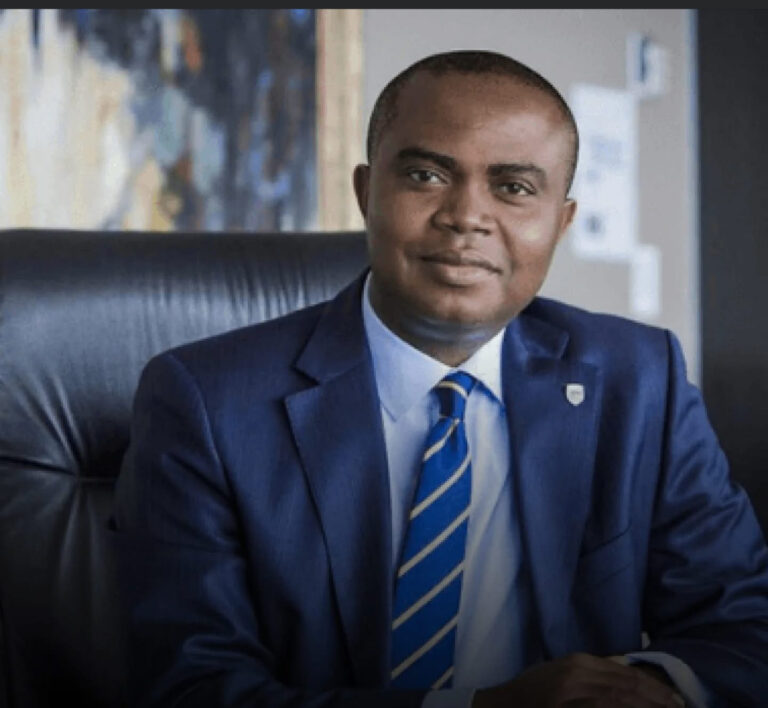
Lagos, October 3, 2025 — The Board of Stanbic IBTC Holdings Plc has announced the appointment of Mr. Chukwuma (Chuma) Nwokocha as the substantive Group Chief Executive, with effect from October 2, 2025. The confirmation follows the receipt of all necessary regulatory approvals.

The development was disclosed in a regulatory filing to the Nigerian Exchange (NGX) on Thursday, October 3, 2025. The notice, signed by the Company Secretary, Chidi Okezie, formally concluded the leadership transition process that began earlier this year.

Mr. Nwokocha succeeds Dr. Adekunle Adedeji, who has led the institution in an acting capacity during a period of strategic repositioning. Dr. Adedeji will now return to his substantive role as Executive Director and Chief Finance and Value Management Officer of the Group.

A chartered accountant and seasoned banker, Mr. Nwokocha brings more than 30 years of experience in Africa’s financial services sector. Over the course of his career, he has served in several executive and board-level roles within the Standard Bank Group and other leading financial institutions. Most notably, he was Chief Executive of Standard Bank in Mozambique, where he oversaw significant strides in corporate governance, operational reforms, and market expansion.

Stanbic IBTC noted that Mr. Nwokocha’s expertise in retail and corporate banking, mergers and acquisitions, regulatory engagement, and strategic leadership will be instrumental in driving the Group’s next phase of growth.

With this appointment, the Board expressed confidence in the Group’s ability to sustain its reputation as one of Nigeria’s leading financial services providers while pursuing fresh opportunities across the continent.
BREAKING: CBN to Assume Full Control of Fixed Income Market from November 2025

0

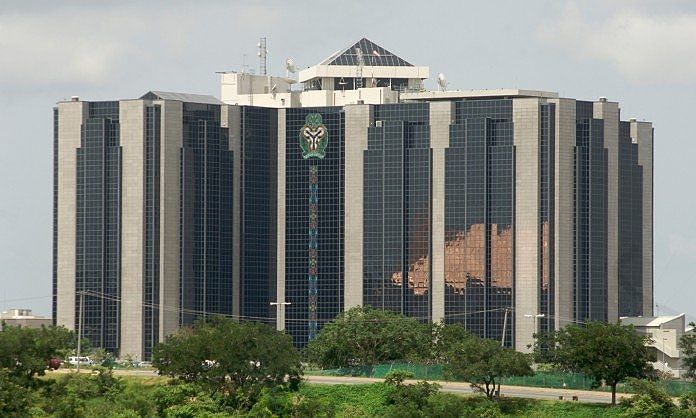
Abuja, October 2, 2025 — The Central Bank of Nigeria (CBN) has announced a sweeping operational reform of the nation’s fixed income market, confirming that it will assume full control of both settlement and trading activities beginning November 2025.

The policy shift, revealed in a formal circular signed by Okey Umeano, Acting Director of the Financial Markets Department, marks the first phase of a broader set of financial market reforms designed to enhance transparency, regulatory oversight, and efficiency in Nigeria’s financial ecosystem.

According to the CBN, the transition will see the apex bank directly manage the fixed income trading platform as well as end-to-end settlement processes, consolidating functions that were previously shared among multiple institutions.

“This transition will enable the CBN to assume direct responsibility for the management of the trading platform and handle end-to-end settlement activities under the Bank’s established settlement system for financial market transactions,” the circular stated.

The Bank explained that the initiative seeks to “strengthen market integrity, streamline operations, and establish a unified regulatory framework that ensures end-to-end visibility and supervisory oversight of fixed income transactions.”

The fixed income market, which includes government bonds, treasury bills, and other debt instruments, plays a critical role in supporting monetary policy transmission and financing public expenditure. Analysts note that CBN’s direct involvement could improve confidence, enhance price discovery, and align the market more closely with macroeconomic objectives.

To ensure a seamless transition, the CBN disclosed that implementation will be carried out in phases, with structured engagement involving market stakeholders, particularly the Financial Markets Dealers Association (FMDA).

Market participants are expected to receive detailed operational guidelines ahead of the November rollout, as the CBN moves to consolidate its position as the central authority in Nigeria’s financial market infrastructure.

With this decision, industry observers say Nigeria’s fixed income market is set for a new era of centralized regulation and oversight, potentially reshaping the country’s financial landscape.

Nigeria’s Oil Output Falls by 16% Amid PENGASSAN Strike, Says NNPCL

0

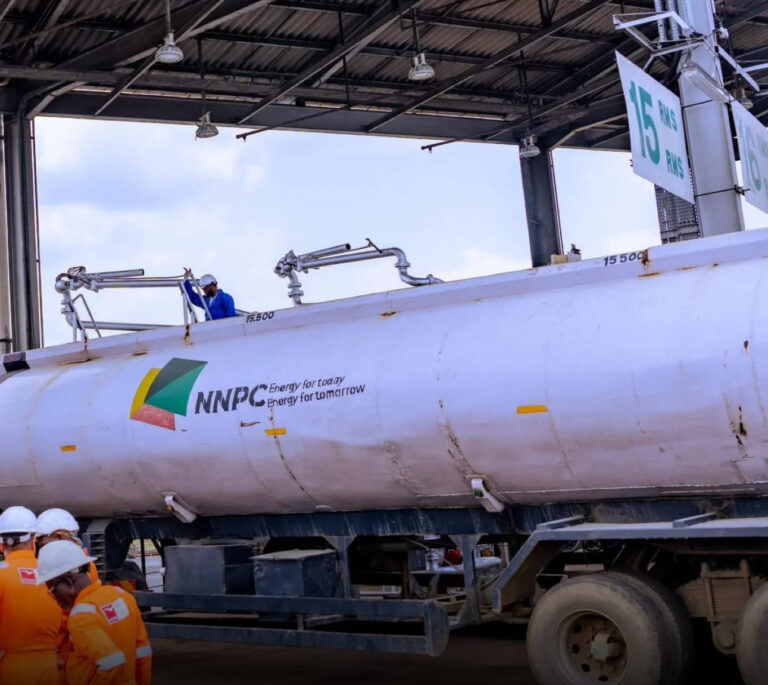
Abuja, October 2, 2025 — The Nigerian National Petroleum Company Limited (NNPCL) has confirmed that the nation’s crude oil production declined by 16 percent following a three-day strike action by the Petroleum and Natural Gas Senior Staff Association of Nigeria (PENGASSAN).

The industrial action, which commenced earlier this week, disrupted operations across key oilfields and export terminals, causing a sharp reduction in output at a time when the country is striving to meet its OPEC production quota.

In a statement issued on Thursday, NNPCL disclosed that the strike led to the shutdown of several production facilities, directly impacting daily crude volumes and contributing to revenue losses. While specific figures were not provided, industry sources estimate the decline translates to hundreds of thousands of barrels per day.

PENGASSAN had embarked on the strike to protest unresolved labor grievances, including welfare concerns and calls for improved working conditions across the sector. The union suspended operations after negotiations with management broke down, leaving critical production and export activities stalled.

NNPCL described the disruption as a significant setback to ongoing efforts aimed at stabilizing Nigeria’s oil output, which has been under pressure from theft, pipeline vandalism, and underinvestment in recent years.

“Preliminary assessments indicate that production fell by approximately 16 percent during the three-day industrial action. The strike underscores the urgent need for sustained engagement with labor unions to safeguard national oil production,” the statement read.

Talks between government representatives, NNPCL management, and PENGASSAN officials are ongoing, with indications that both sides are working toward a resolution to prevent a recurrence.

Nigeria, Africa’s largest oil producer, remains heavily reliant on crude exports for government revenue and foreign exchange. Analysts warn that prolonged disruptions of this nature could further strain fiscal stability and undermine confidence in the country’s energy sector.

NNPCL Confirms Heavy Energy Losses from Three-Day PENGASSAN Strike

0

Abuja, October 2, 2025 — The Nigerian National Petroleum Company Limited (NNPCL) has confirmed that the three-day strike by the Petroleum and Natural Gas Senior Staff Association of Nigeria (PENGASSAN), which was suspended on September 29, 2025, caused widespread disruption to the country’s oil, gas, and power supply.

In a statement issued by the Group Chief Executive Officer, Bashir Bayo Ojulari, NNPCL revealed that the industrial action resulted in daily losses of about 283,000 barrels of crude oil, 1.7 billion standard cubic feet of gas, and 1,200 megawatts of power generation. These figures amount to 16 percent of Nigeria’s oil output, 30 percent of marketed gas, and 20 percent of national electricity supply.

The company further explained that the disruption extended beyond production, affecting crude lifting schedules, delaying critical maintenance work, and leading to rising demurrage costs at export terminals. Collectively, these challenges, it warned, pose a threat to energy security and government revenue at a time when the economy is heavily reliant on stable oil and gas inflows.

Ojulari emphasized that the strike underscored the vulnerability of Nigeria’s energy infrastructure to labor disputes, noting that the losses highlight the need for stronger engagement between management and unions.

PENGASSAN had called the strike over unresolved labor grievances, including welfare demands and industry-wide working conditions. While the union agreed to suspend the action following renewed negotiations, observers say the scale of disruption demonstrates the urgent need for lasting solutions to prevent future crises.

Analysts caution that repeated interruptions of this nature could undermine Nigeria’s ability to meet international supply commitments and weaken investor confidence in the oil and gas sector.

NNPCL assured that it is working with relevant stakeholders to restore stability and reinforce systems that will protect energy production and supply from similar disruptions in the future.

Nigeria’s September Box Office Revenue Falls to ₦900 Million, Second Lowest in 2025

0

Lagos, October 2, 2025 — Nigeria’s cinema industry recorded a significant slowdown in September as box office sales dropped to ₦900 million, making it the second-lowest monthly revenue of the year, according to industry data.

The figure reflects a sharp decline compared with previous months, highlighting waning audience turnout amid economic pressures and limited blockbuster releases during the period. Industry analysts say the dip underscores the vulnerability of Nigeria’s cinema market to both consumer spending patterns and the timing of major film debuts.

Exhibitors noted that while a few titles managed to draw moderate crowds, overall attendance was subdued. The drop follows a pattern of fluctuating earnings throughout 2025, with only peak holiday months and select blockbuster releases driving stronger box office performance.

Cinema operators expressed concern that sustained weak numbers could impact profitability for both local and international distributors, particularly at a time when the sector is still recovering from pandemic-era losses and grappling with high operating costs.

Despite the downturn, stakeholders remain optimistic about a rebound in the final quarter of the year, citing upcoming highly anticipated Nollywood releases and international franchises scheduled for the festive season.

The September sales figure of ₦900 million now ranks as the second lowest of 2025, only ahead of the industry’s weakest month earlier in the year. The development raises questions about the need for a more robust release calendar and strategies to stimulate consistent cinema attendance across all quarters.

Industry watchers suggest that collaborations between local filmmakers, distributors, and exhibitors could play a key role in stabilizing earnings and sustaining the growth trajectory of Nigeria’s film industry, one of the fastest growing in Africa.

Lagos Government Demolishes Illegal Structures Obstructing Jebba/Kano Collector in Ebute Metta

0

Lagos, October 2, 2025 — The Lagos State Government has cleared a series of illegal structures built along the Jebba/Kano collector drain in Ebute Metta, in a move aimed at restoring free water flow and addressing perennial flooding in the area.

The exercise, carried out by officials of the Lagos State Ministry of the Environment and Water Resources, targeted makeshift extensions, shops, and other unauthorized constructions obstructing the drainage channel. Authorities said the action became necessary after repeated warnings to property owners were ignored.

Commissioner for the Environment and Water Resources, Tokunbo Wahab, who supervised the operation, explained that the Jebba/Kano collector is a critical drainage facility that channels stormwater from Ebute Metta and adjoining communities into the lagoon. He stressed that encroachment and indiscriminate construction had severely limited its capacity, worsening flooding during the rainy season.

“Clearing the Jebba/Kano collector is part of our broader flood mitigation efforts. These illegal structures not only endanger lives but also compromise the integrity of our drainage system. Residents must desist from building on waterways,” Wahab said.

The commissioner added that the state will intensify monitoring of drainage corridors and enforce penalties against violators to prevent a recurrence.

Residents of the area welcomed the demolition, noting that flooding had become a recurring challenge, often damaging property and disrupting movement. Some, however, appealed for adequate notice and support measures for displaced traders and households.

The Lagos State Government reiterated its commitment to sustaining its flood control programme across all local government areas, urging citizens to cooperate by keeping drains free of refuse and avoiding construction on waterways.

With climate change intensifying rainfall patterns, officials say maintaining and protecting key drainage infrastructure like the Jebba/Kano collector remains central to Lagos’ long-term environmental resilience strategy.

Brandtel Nigeria Limited Announces Sales Yakata 4.0 – “The Ultimate Shutdown”

Presss Release

Brandtel Nigeria Limited has officially announced the fourth edition of its flagship shopping festival, BTN Sales Yakata 4.0, themed “The Ultimate Shutdown.” The three-day mega sales and exhibition event will take place from Friday, November 21st to Sunday, November 23rd, 2025, at the Ebute Ikorodu Ferry Terminal, Lagos, Nigeria.

This highly anticipated festival is positioned as Nigeria’s biggest retail and entertainment sales shutdown, bringing together businesses, innovators, customers, and entertainers under one roof to celebrate trade, culture, and creativity.

Event Highlights

Sales Yakata 4.0 promises an unforgettable shopping and lifestyle experience, combining entertainment with business opportunities. Attendees can look forward to:
• Exhibition Stands: Featuring top local and international brands across fashion, electronics, food, beverages, and lifestyle.
• Exciting Contests: Live competitions for vendors and customers with attractive prizes.
• Immersive Experiences: Funfair, games, and interactive sessions to create a carnival-like atmosphere.
• Exclusive Deals & Discounts: Shoppers will enjoy unbeatable bargains and one-time offers throughout the event.
• Collaboration & Sales Pitches: Entrepreneurs, startups, and SMEs will have the platform to showcase products, pitch ideas, and build lasting partnerships.

Adenike Fagbemi- Convener BTN Sales Yakata

Hosting & Entertainment

The event will be hosted by Adenike Fagbemi (@Naijanoisemaker), a renowned media personality and social influencer, known for her engaging and lively style. With her presence, guests can expect energy, laughter, and top-tier entertainment throughout the three days.


Participation & Stall Bookings

Vendors are invited to secure their exhibition spaces early to take advantage of the early bird offer.
• 3 Days Stall Fee: ₦150,000/180,000
• Stalls provide direct access to thousands of customers, ensuring maximum visibility and sales opportunities.

For stall reservations, sponsorship opportunities, and brand collaborations, interested participants can contact Brandtel Nigeria through the following:

📞 +234 905 001 5428 | +234 810 959 2084 | +44 7342 466 223 | +234 808 383 7930
🌐 www.brandtelnigeria.com.ng
📱 Social Media: @Brandteling


Strategic Support

Sales Yakata 2025 is supported by a range of corporate and community partners, including CROS, Pentacept, Hacey, and several key stakeholders in business and entrepreneurship.


About Brandtel Nigeria

Brandtel Nigeria Limited is a forward-looking retail and event company dedicated to connecting people with innovative products, unforgettable shopping experiences, and opportunities for business growth. Through initiatives like Sales Yakata, Brandtel has become a hub for trade facilitation, creative exhibitions, and entrepreneurial empowerment in Nigeria.


Media Contact

Brandtel Nigeria – Corporate Communications
📍 Lagos, Nigeria
📧 Email: [Insert PR Email] 📞 +2348083837940, +234 905 001 5428 / +234 810 959 2084


✨ BTN Sales Yakata 4.0 is more than an event — it is Nigeria’s ultimate sales shutdown, where business meets fun, innovation, and community.

Abuja Market Report: Prices of Rice, Beans, and Tomatoes Drop in September

0

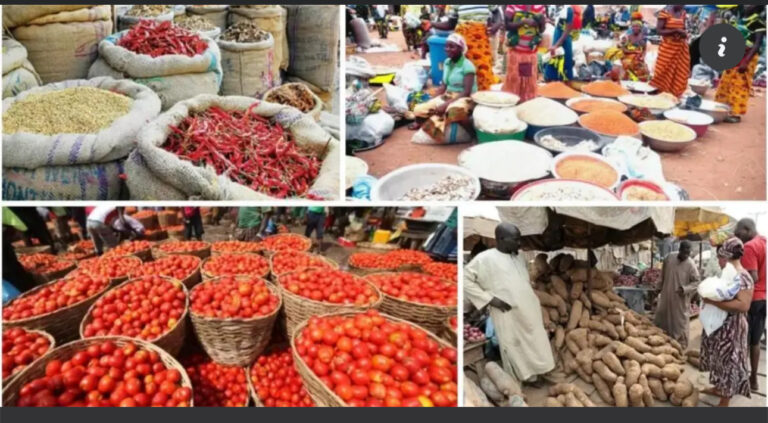
Abuja residents experienced some relief in September as the prices of key staple foods, including rice, beans, and tomatoes, recorded a notable decline across major markets in the Federal Capital Territory.

A market survey conducted in areas such as Wuse, Utako, Garki, and Lugbe showed that the cost of foreign parboiled rice dropped from an average of ₦85,000 per 50kg bag in August to about ₦78,000 in September, depending on the brand. Local rice also saw a reduction, selling between ₦60,000 and ₦65,000 per 50kg bag, compared to ₦70,000 earlier.

Similarly, beans, a common substitute for rice in many households, fell in price. A 100kg bag of oloyin beans, which previously sold for ₦95,000, now goes for between ₦85,000 and ₦88,000, while the white beans variety declined from ₦100,000 to around ₦90,000 per bag.

Fresh tomatoes, whose prices had spiked in mid-year due to seasonal shortages, also eased. A medium basket now sells for between ₦28,000 and ₦32,000, down from ₦40,000 in August. Pepper and onions followed a similar trend, though with less sharp reductions.

Traders attributed the price drop to increased harvest supply from the North and reduced transportation bottlenecks following improved road access in some farming corridors. However, they warned that the relief might be temporary as fluctuations tied to weather, fuel costs, and demand could push prices up again in the coming months.

Consumers welcomed the reduction, noting that the cost of food had placed significant pressure on household budgets. “It may not be enough, but at least rice and beans are now within reach again for many families,” said a shopper at Garki Market.

Food inflation has remained a pressing challenge in Nigeria, with many families cutting down on quantity and variety. The September decline in Abuja markets, though modest, has been received as a positive sign amid the broader economic difficulties.

President Tinubu Reopens and Re-dedicates 4,000-Capacity Wole Soyinka Centre for Culture and the Creative Arts

0

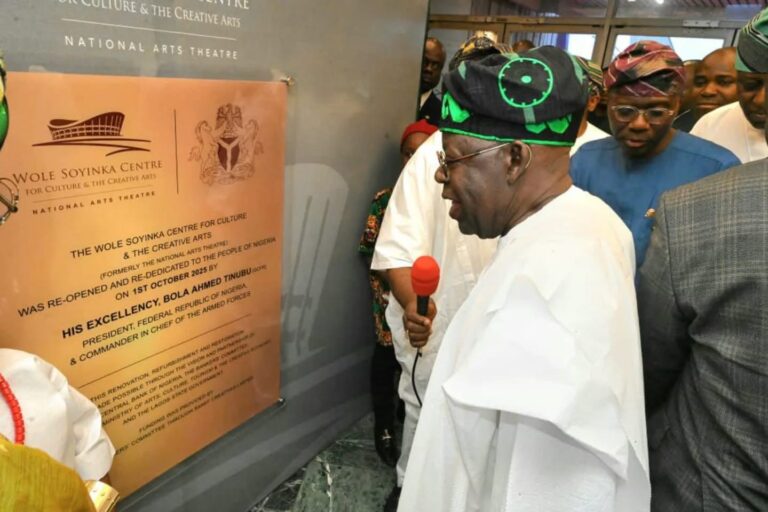
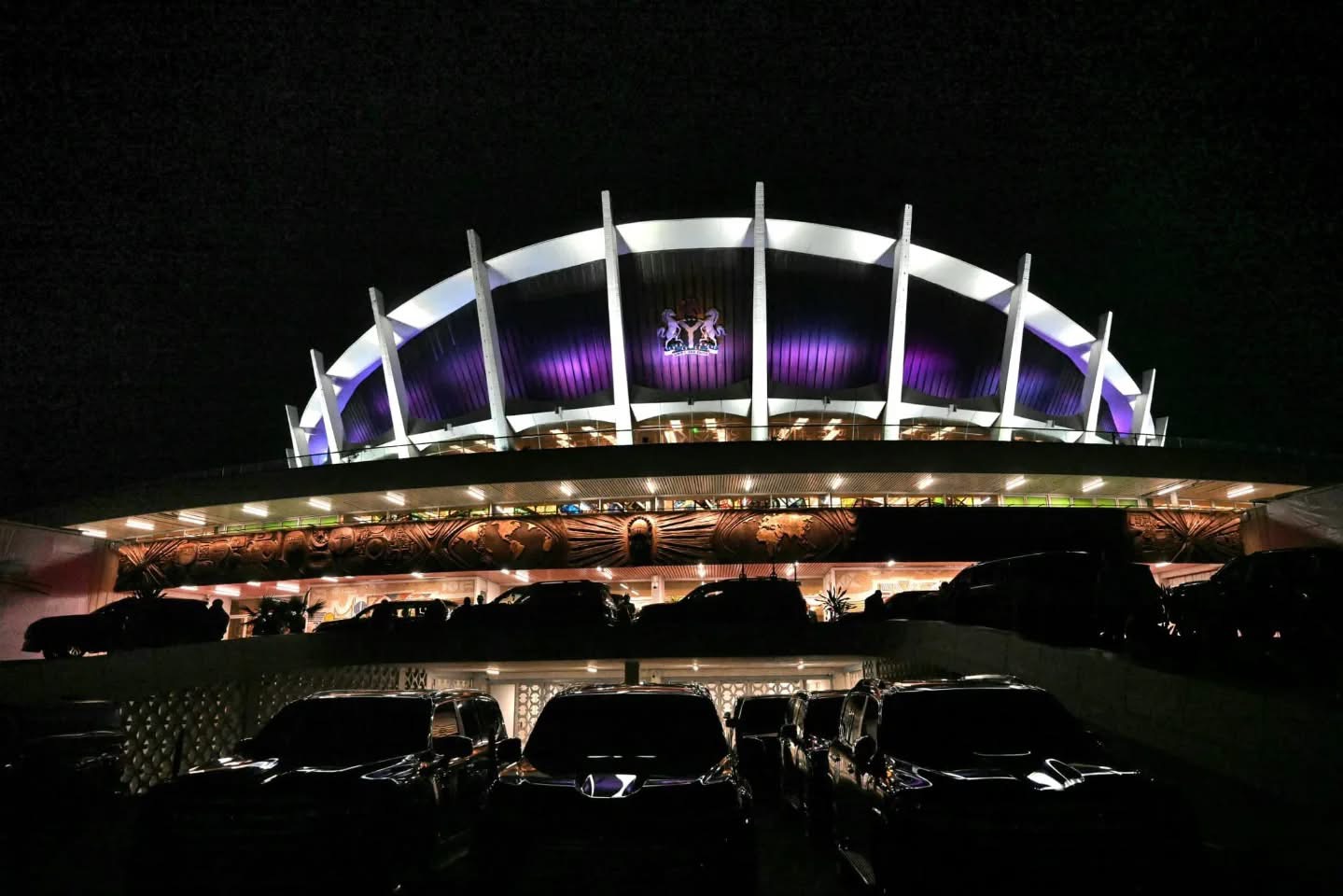
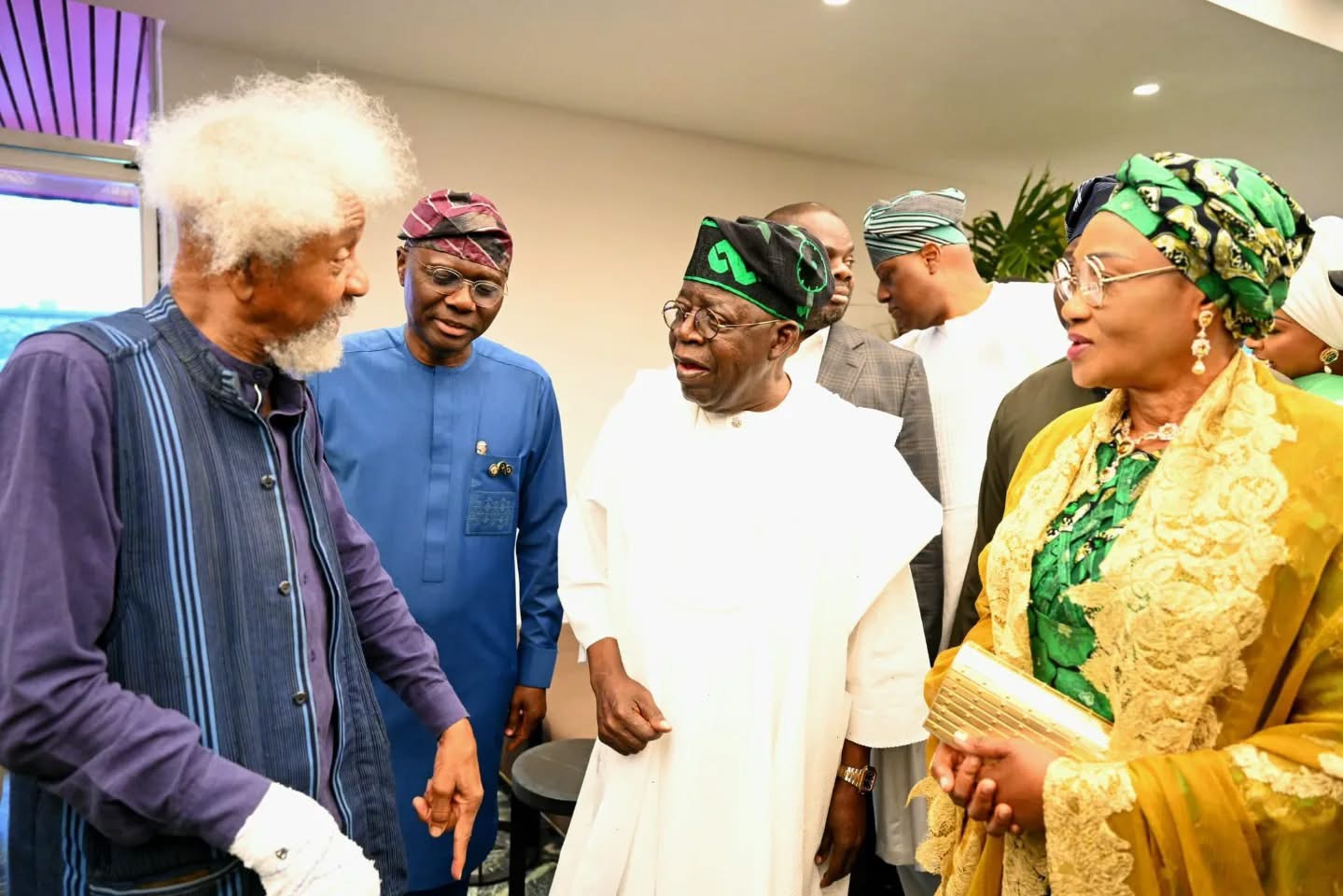
Lagos witnessed a historic cultural milestone yesterday as President Bola Ahmed Tinubu officially reopened and re-dedicated the Wole Soyinka Centre for Culture and the Creative Arts, formerly known as the National Arts Theatre.

The iconic structure, built in 1976 in preparation for the Second World Black and African Festival of Arts and Culture (FESTAC ’77), has long stood as a symbol of Nigeria’s artistic heritage. After years of neglect and underutilisation, the facility has now undergone extensive rehabilitation and modernization, restoring its place as the heartbeat of Nigerian cultural expression.

Renamed in honour of Nobel Laureate Professor Wole Soyinka, the refurbished complex now boasts a 4,000-seat main hall, upgraded sound and lighting systems, state-of-the-art exhibition galleries, rehearsal spaces, and digital studios designed to support theatre, film, dance, literature, and music productions.

Speaking at the rededication ceremony, President Tinubu described the revival of the centre as a renewal of Nigeria’s commitment to its rich cultural identity. He stressed that the arts are not only vital to national pride but also to economic growth through tourism and the creative industries.
“This centre, now bearing the name of our own Nobel laureate, stands as a living testament to Nigeria’s creativity, resilience, and global influence,” Tinubu declared. “We are reopening not just a building, but a national treasure. This place must become a home for artists, a hub for innovation, and a beacon for Africa’s cultural renaissance.”

The ceremony drew prominent figures from Nigeria’s cultural, literary, and political spheres. Performances of traditional drumming, spoken word, contemporary dance, and excerpts from Soyinka’s plays highlighted the event, underscoring the breadth of Nigeria’s artistic excellence.

In his remarks, Professor Wole Soyinka, visibly moved, expressed gratitude for the honour and urged the government to ensure the centre does not fall into disrepair again. He reminded the audience that the arts require both freedom and institutional support to thrive.

The Minister of Arts, Culture, and Creative Economy, along with representatives of the Lagos State Government, assured stakeholders that mechanisms have been put in place for the effective management and sustainability of the facility.

With its reopening, the Wole Soyinka Centre for Culture and the Creative Arts is expected to reclaim its role as Nigeria’s premier cultural landmark, hosting international festivals, film screenings, exhibitions, and performances, while serving as a training ground for the next generation of African creatives.


Akwa Ibom Airport Resumes Night Flight Operations After Safety Upgrades

0

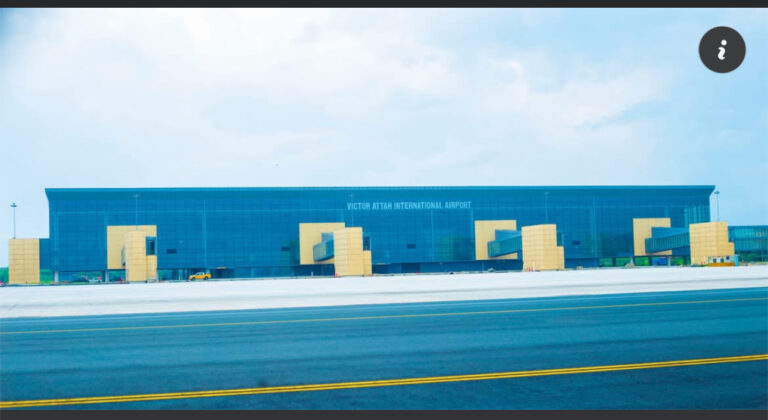
Uyo, Akwa Ibom State – The Victor Attah International Airport has resumed night flight operations following months of safety and technical upgrades, marking a significant milestone in the state’s aviation sector.

The resumption of night operations, announced by the Akwa Ibom State Government, comes after the successful completion of enhanced runway lighting, navigational aids, and other critical infrastructure required for 24-hour flight schedules.

Governor Umo Eno, speaking at a ceremony to mark the reopening, described the development as a breakthrough that would expand business, tourism, and investment opportunities in the state. According to him, the ability of the airport to handle flights beyond daylight hours will make Akwa Ibom more competitive as an aviation hub.

“This is not just about aviation convenience; it is about positioning our state for greater economic activity. With night operations now available, we are opening our doors wider to trade, tourism, and industrial expansion,” the governor stated.

Officials of the Federal Airports Authority of Nigeria (FAAN) and the Nigerian Civil Aviation Authority (NCAA) confirmed that the airport has met all safety requirements for extended operations. Airlines are now expected to adjust their schedules to accommodate evening arrivals and departures.

Industry stakeholders, including travel operators and business leaders, welcomed the announcement, noting that it would ease connectivity challenges for travelers coming into the state, especially those connecting from Lagos, Abuja, and Port Harcourt.

The Victor Attah International Airport, commissioned in 2009, has steadily evolved into a strategic aviation hub in the South-South region, with Ibom Air as its flagship carrier. With the restoration of night operations, the airport is expected to record an increase in passenger traffic and expand its role in regional air transport.