

Home Blog Page 163

Speaker Abbas makes a U-turn, withdraws counter subversion bill

0

Speaker Abbas makes a U-turn, withdraws counter subversion bill


Speaker of the House of Representatives, Hon. Abbas Tajudeen has ordered the withdrawal of the Counter Subversion bill sponsored by him which tends to proscribe harsh punishment for those accused of engaging in activities regarded as subversive.


The bill sought to punish between two and twenty-five years imprisonment or a fine of between N2 million and N15 million both on individuals and organizations or both on those found guilty.


The objective of the bill, a copy of which was sighted by The Nation is to (a) Provide for a legal and institutional framework to detect, prevent, investigate, criminalize, prosecute, and sanction subversive and related activities; and regulate the procedure and determine how the provisions of this Act shall be carried out”.


The bill was presented to the House and gazetted as House Bill 1652 on the 23rd of July alongside three bills sponsored by the Speaker and listed on the same day.


The others are counter sabotage bill 2024 (HB 1651), counter-insurgency bill 2024 (HB 1653) and Espionage (Prevention and Prohibition) bill 2024 (HB 1654).


After an initial statement explaining that the bill was not targeted at any individual or group, the Speaker issued another statement withdrawing the bill.


The statement titled: “Withdrawal of the Counter Subversion and Other Related Bills” signed by Special Adviser on Media and Publicity, Musa Abdullahi Krishi, the Speaker said he was withdrawing the bill in response to the voices and concerns of the people.


The statement said: “This decision follows his extensive consultations with a broad range of stakeholders and a careful consideration of the nation’s current circumstances.


“Speaker Abbas Tajudeen, a champion of the people’s interests, has always prioritized listening to the citizens and fostering unity. His decision reflects his commitment to ensuring that the House remains truly the People’s House.


“He acknowledges the significance of the concerns raised and the attention the Bill has garnered, reaffirming that he will never support any action that might disrupt the peace and unity of our nation.


“The public is hereby notified of the withdrawal of the Counter Subversion Bill and other related ones introduced on July 23, 2024”.


According to the bill which has 24 clauses, any “person who engages in activities that result to mutual suspicion, mistrust, distrust or intolerance which degenerates into conflict and violence that threatens the corporate existence, peace and security of the Federation of Nigeria, commits an offence and is liable on conviction to a fine of N5,000,000 or imprisonment for a term of 10 years or both”.


The bill also states that “A person who engages in illegal road traffic function, illegal roadblock, imposition of illegal curfew, the conduct of illegal procession, checkpoint, and other similar acts, commits an offence and is liable on conviction to a fine of N2,000,000 or imprisonment for a term of five years or both.


“From the commencement of this Bill, all voluntary or volunteer services groups that seek to provide services under section 3 of this Bill shall be registered with the appropriate authority before rendering the service.


“A person who forcefully takes over any place of worship, town hall, school, premises, public or private place, arena, or a similar place through duress, undue influence, subterfuge or other similar activities, commits an offence and is liable on conviction to a fine of N5,000,000 or imprisonment for a term of 10 years or both.


“A person who professes loyalty, pledges or agrees to belong to an organisation that disregards the sovereignty of Nigeria, commits an offence and is liable on conviction to a fine of N3,000,000 or imprisonment for a term of four years or both.


“A person who makes a statement does something or directs or encourages another person or group to do something that will lead to separatist agitation or intergroup or sectional conflict, commits an offence and is liable on conviction to a fine of N10,000,000 or imprisonment for a term of 25 years or both”.


It said further that “A person who destroys national symbols; refuses to recite the national anthem and pledge, defaces or abuse a place of worship to cause violence and subvert the Government of Nigeria, commits an offence and is liable on conviction to a fine of N5,000,000 or imprisonment for a term of 10 years or both”.


Clause 9 stipulates that (1) A person who interacts, communicates liaises, associates with locally based cult groups, criminal gangs or proscribed organisations, commits an offence; A person who interacts, communicates, liaises, associates with foreign-based criminal gangs or proscribed organisations or countries detrimental to the welfare, security, development and progress of Nigerian, commits an offence; A person who commits an offence under this section is liable on conviction to a fine of N10,000,000 or imprisonment for a term of 15 years or both.”


It states further that “a person who receives financial or political support from a foreign organisation, group or country that is not compatible with the interest, development, security, and progress of Nigeria, commits an offence and is liable on conviction to a fine of N15,000,000 or imprisonment for a term of 20 years or both”.


For those receiving foreign aides, it said (1) A foreign-based person, group or organisation that makes statements injurious to the peace and security of Nigeria and relates with or is influenced by a locally based person, group or organisation, commits an offence; (2) A locally based person that fails to refute, condemn, and associate themselves with any statement made by a foreign-based person, group or organisation, commits an offence; (3) A person who commits an offence under this section is liable on conviction to a fine of N5,000,000 or imprisonment for a term of 5 years or both”.


The bill which has now been withdrawn by the Speaker also provided that “every person, group or organisation that engages in activities that undermines national security, harmonious community interaction, peaceful coexistence and the maintenance of law and order, commits an offence and is liable on conviction to a fine of N3,000,000 or imprisonment for a term of five years or both.


“A person, group or organisation that persistently disregards, disobeys, or disrespects constituted authority, rules, regulations, order or contravenes the law willfully, commits an offence and is liable on conviction to imprisonment for a term of 3 years at the first instance and seven years for a subsequent offence or to a fine of N5,000,000 or both.


“A person who habitually violates the law, refuses or prevents arrest, disrupts legal processes or proceedings, engages in contrary behaviour or persistent and recalcitrant, defiance and rebellion against constituted authority, commits an offence and is liable on conviction to a fine of N5,000,000 or imprisonment for a term of seven years or both.


“A person who establishes, creates, operates or maintains, funds, supports or assists a para-military, guard, brigade, organisation, corps, union, militia, cult or bandit group under whatever name or guise, except established by-laws passed by the National Assembly or State House of Assembly, commits an offence and is liable on conviction to a fine of N10,000,000 or imprisonment for a term of 15 years or both”.


Clause 16 states that (1) A person group or organisation that engages in aggressive, violent or intimidating conduct that results in the death of a person, commits an offence and is liable on conviction to death.


(2) A person group or organisation that engages in conduct that results in grievous bodily harm or loss of property, commits an offence and is liable on conviction to a fine of N5,000,000 or imprisonment for a term of seven years or both and to the payment of adequate compensation to the victim of the crime.”


Furthermore, the bill had planned to ensure that “A person who illegally constructs a structure or takes over a public place, road or fields without permission from the authority in charge of the place, commits an offence and is liable on conviction to a fine of N1,000,000 or imprisonment for a term of three years or both.


“A person who castigates, instigates, persuades, denigrates, embarrasses or brings into disrepute the leadership of a community, religion, lawful group, local government, State or Federal Government of Nigeria, commits an offence and is liable on conviction to a fine of N4,000,000 or imprisonment for a term of two years or both”.


Other acts that the law would have imposed punishment include conduct that displays loyalty, pledges allegiance to another country or denounces his loyalty to Nigeria as well as persons who inspire, instigate, encourage or direct defiance, mentor, fund or abets or conspire with any person group or organisation in opposition or destruction of an existing state institution, structures or values by illegal conduct or violent acts.


Ownership, possession, production, distribution, importation, handling, and uses abs established security, military, police, or intelligence agency uniforms, emblems, or accoutrements, is supposed to attract a fine of N2,000,000 or imprisonment for a term of two years or both on conviction.


Prosecution of offences provided in the withdrawn Bill was supposed to be as prescribed in the Administration of Criminal Justice Act and subject to the powers of the Attorney-General of the Federation, Legal Officers of the Service shall undertake and conduct prosecution of offences under this Bill.


The bill has been attracting comments from Nigerians since its introduction.
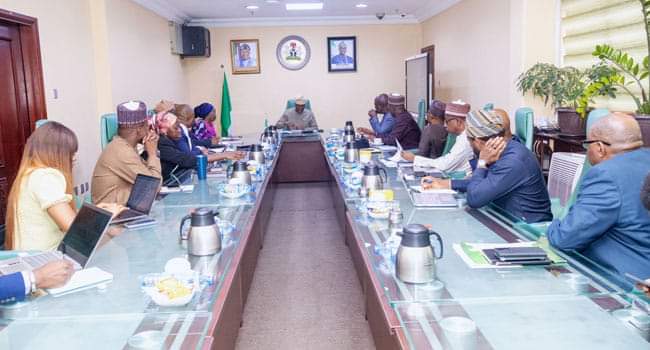
Finance Minister Wale Edun Met Key Stakeholders In Oil Gas Industry

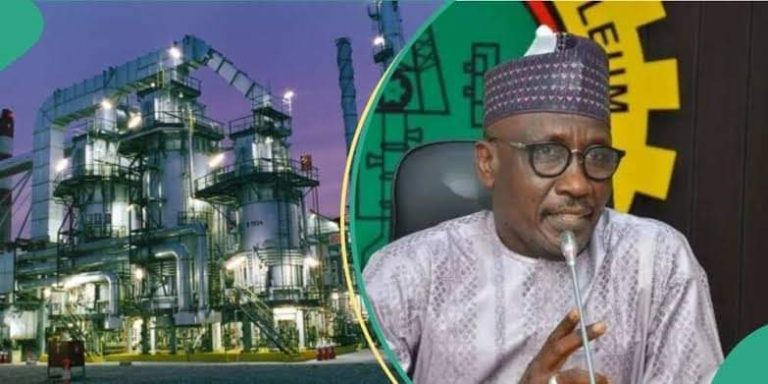
The Minister of Finance, Wale Edun, has met with key stakeholders in the oil and gas industry, following President Bola Tinubu’s directive for the Nigerian National Petroleum Corporation Limited (NNPCL), to sell crude oil to local refineries in naira.


Those in attendance included the Minister of State for Petroleum Resources (Oil), Senator Heineken Lokpobiri, Group Chief Executive Officer of NNPCL, Mele Kyari, Executive Chairman of the Federal Inland Revenue Service, Dr Zacch Adedeji, and the Permanent Secretary of the Ministry of Finance, Lydia Jafiya.


It stated that the initiative is intended to strengthen the domestic economy and support the sustainable operations of local refineries, including the Dangote Refinery.


“On Monday, the Honourable Minister of Finance and Coordinating Minister of the Economy, Wale Edun, led a key meeting aimed at implementing President Tinubu’s directive for the Nigerian National Petroleum Corporation Limited to sell crude oil to local refineries in Naira,” the post read.


“This initiative is intended to strengthen the domestic economy and support the sustainable operations of local refineries, including the Dangote Refinery.


“The meeting brought together important stakeholders, including Minister of State for Petroleum Resources (Oil), Senator Heineken Lokpobiri, Group Chief Executive Officer of NNPCL, Mele Kyari, Executive Chairman of the Federal Inland Revenue Service, Dr. Zacch Adedeji, Permanent Secretary of the Ministry of Finance, Mrs. Lydia Jafiya, and other notable participants.”

Two superstars. Two experiments. Different outcomes. How come?

0

Two superstars. Two experiments. Different outcomes. How come? And before you come to quote chart performance, kindly realise that an average or even a poor song with good marketing can do very well on the charts. Commercial success is not the same as critical acclaim.


Both artistes’ ascent to stardom shows the impact a solid label can make: Rema reached the peak in 5 years, pushed to the front by the Mavin machine. Asake did it in 2 years, with back to back classic albums and the full blessing of YBNL.

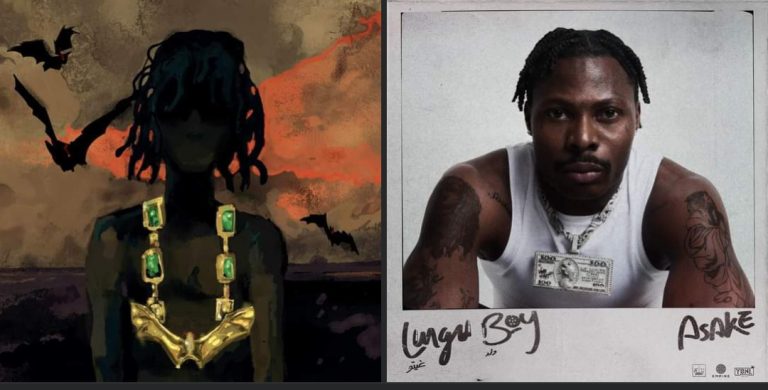
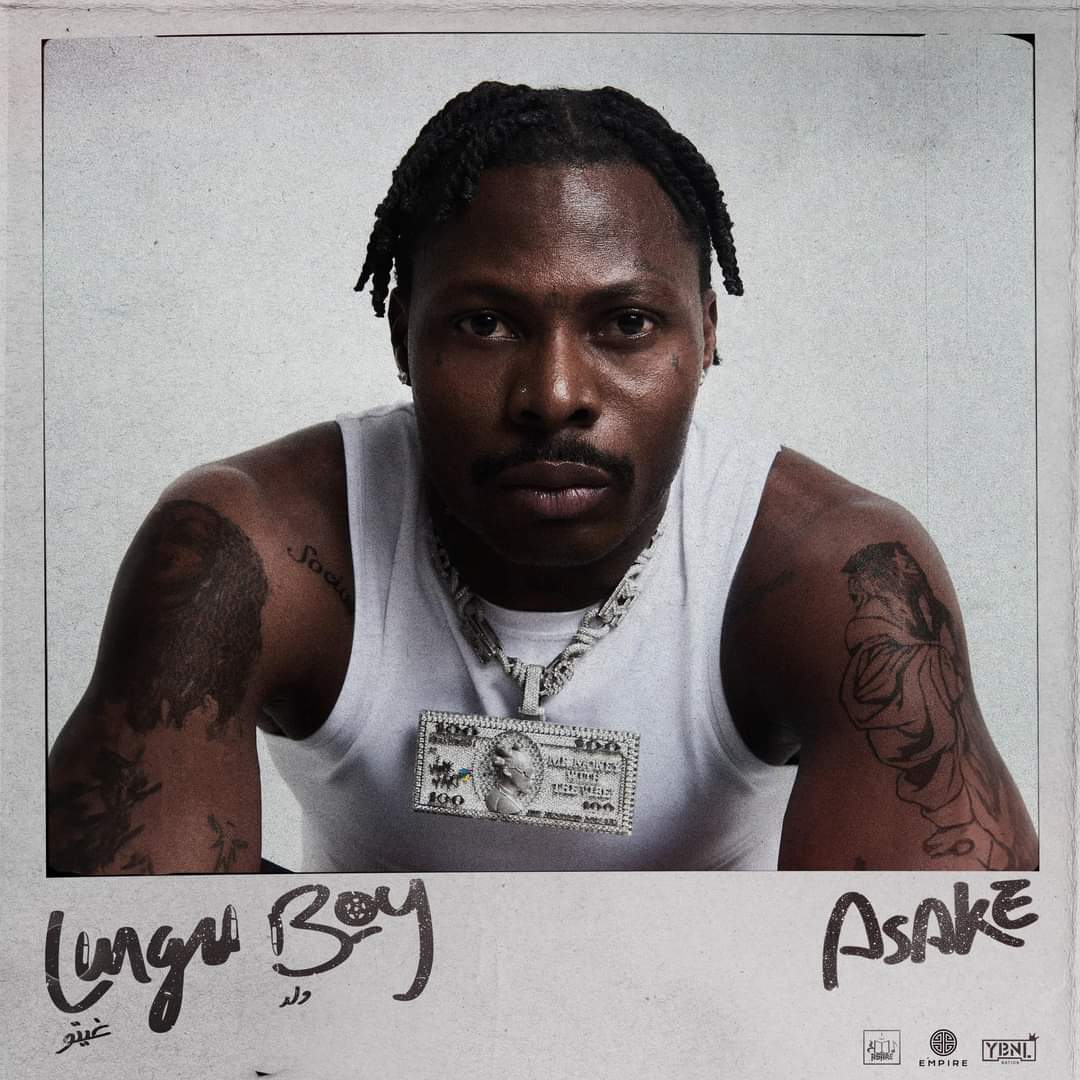
Asake’s debut album ‘Mr. Money with the Vibe’ was an instant classic and arguably one of the best debut by an Afrobeats artiste. Not even Rema’s ‘Raves and Roses’ drew as much critical acclaim. Asake cemented his superstar status with his sophomore album, ‘Work of Art’, an album that is worth its weight in gold. The album was successful both critically and commercially, spawning hit singles like ‘Lonely at the Top’, ‘Remember’, ‘2:30’, ‘Basquiat’, ‘Yoga’.


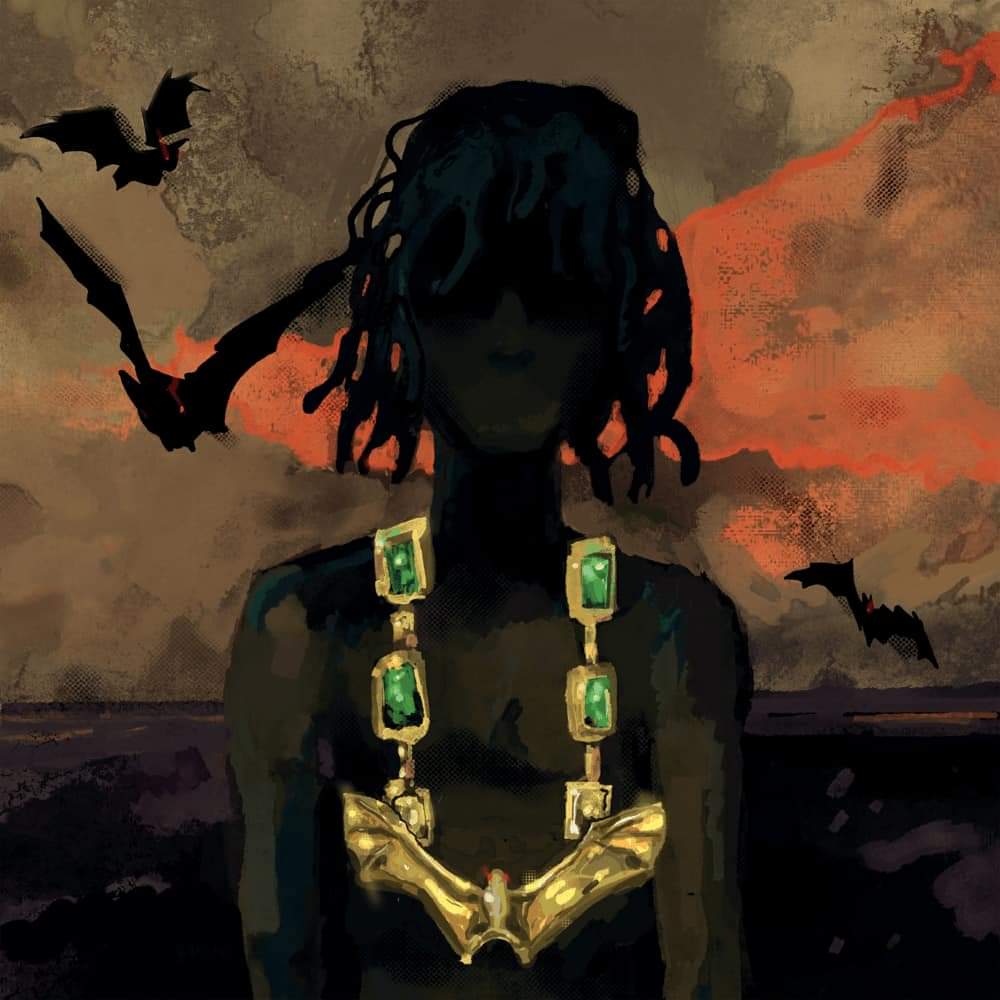
So, naturally, expectations were high for ‘Lungu Boy’. When he released ‘Only Me’ in January 2024, it seemed we were on track to get a trifecta: back-to-back-to-back classic albums. The single didn’t even make it to ‘Lungu Boy’ – an indication that something radically changed in the lead up to the album release.


My hypothesis? There are two versions of ‘Lungu Boy’. A first one containing ‘Only Me’ with majority of the songs produced by Magicsticks and Blaisebeatz. And a second version with most of the production handled by P.Priime with input from Sarz, engineered for global appeal hence the heavy international features. We got the second version.

Similarities between Rema’s ‘HEIS’ and Asake’s ‘Lungu Boy’? Both albums are experimental with notable deviations from the core sounds each fanbase were used to.


Also, P.Priime produced most of the songs on both albums: 6/11 on ‘HEIS’ and 7/15 on ‘Lungu Boy’. The 22-year old producer is the hottest Afrobeats producer at the moment and his catalogue is insane. He delivered on the production end of both projects and both are sonically well-made.


That said, both albums depict the current motions of their respective artistes.


Asake – who had just one single feature in each of his former projects – presented a star-studded album in a bid to go mainstream. Rema, on the other hand, seems to be returning home following his Serena Gomez-aided international explosion.


On ‘HEIS’, Rema features Shallipopi – his fellow Benin native and Odumodublvck – two relatively new artistes that got their lucky breaks in 2023. This was very intentional. With his current status, Rema could feature anyone from Burna Boy to Travis Scott to Jay-Z, if he wanted to. He is so big globally that he was the first Afrobeats artiste to perform at the Ballon d’Or.


While many artistes in Rema’s shoes would explore more international exposure, Rema perhaps learnt from Burna Boy’s ‘mistake’ that straying far away from the source can weaken your art. Burna’s last album ‘I Told Them’ was an attempt to pander more to the hip-hop community and the experiment didn’t go well. Davido also learnt the hard way with ‘A Better Time’ and corrected course with ‘Timeless’.


Afrobeats artistes need to realise that the world fell in love with them because of one thing: that unique African sound. This is what makes us original. It pays better to figure out more ways of doing this one thing rather than trying to do something entirely different.


This may be why Rema chose ‘homecoming’ rather than ‘further exposure’. One may argue that Asake who hasn’t had the kind of international exposure Rema had is free to pursue it. I agree. However, don’t water down your art just to make it more digestible to outsiders. Outsiders will prefer a rich song in Yoruba or Igbo than a poor song in English. Music is a universal language.


This brings me to the second difference between the two albums: penmanship. On ‘HEIS’, Rema’s songwriting is peerless, edgy and incisive. His braggadocio was on full display and he called himself ‘HIM’ without mincing words. With no doubt, ‘HEIS’ has one of the most intricate and the best layered songwriting we have seen in a decade.


On the contrary, Asake’s songwriting on ‘Lungu Boy’ appears lightweight. Some lyrics were recycled from other artistes including a Naira Marley line. The Asake we fell in love with attacks the beat, leaving no room for any doubt about his prowess. The Asake we met on ‘Lungu Boy’ did not fully utilise the beats, was bodied by guest artistes on his own songs and sounded somewhat jaded.


That said, I will love to appreciate Rema and Asake for daring to experiment and contributing to the evolution of Afrobeats. Asake still has several classic albums in him and I believe fans will love to see that other version of ‘Lungu Boy’, if it exists.


I will end with a final note: ‘HEIS’ should win Rema a Grammy. He pushed the envelope with this one and reinvigorated the whole Afrobeats genre. His winning the golden gong will be well deserved.


Fingers crossed. 🤞

Credit: Kelvin Alaneme

#Rema

#Asake

#HEIS

#LunguBoy

#AlaAfrica

I NEVER ATTEMPT TO ARREST PAUL WITH EFCC – PETER OKOYE

0

Before I tell you the whole story, here is what I need you all to understand.


It’s always surprising to me when people say, “P-SQUARE is always bringing their family matters into the public eye.” Let me clarify this. P-SQUARE is not just a family – it’s a public brand, but Peter, Paul, Jude, Anita, Ifeoma, Lola, and the rest of our family members are FAMILY, but P-SQUARE is an entity that belongs to the public as much as it does belong to us. Our fans have played a significant role in our success, so they have the right to know what’s happening with their beloved brand P-SQUARE. That’s why it’s understandable when certain aspects of our lives are shared publicly.


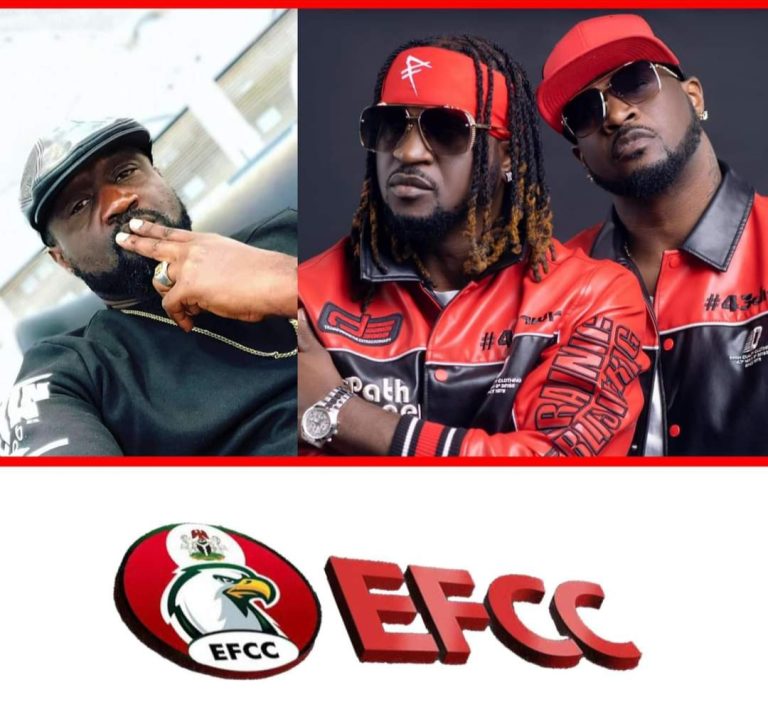
Now, let’s get straight to the point. I want to make it clear that I never reported my twin brother PAUL to the EFCC. I know many of you were disappointed when PAUL accused me of doing so. He mentioned that I wrote a petition against him, which he claimed made the EFCC to ask him to provide a surety. This statement suggested that he was detained, which is not true.


Peter, Paul and Jude own a management company together called Northside Entertainment, which we use to manage all of P-SQUARE’s affairs. One day, I discovered another company with a similar name, but this one was called Northside Music instead of Northside Entertainment.


This surprised me, so I decided to investigate further and guess what? To my shock the founders and directors of this secret company were none other than JUDE Okoye and his wife Ifeoma Okoye and the registered address was the family home of JUDE’s wife.


Still in shock, I knew I had to talk to PAUL about it. I approached him multiple times – at least four different times – asking if he knew anything about this secret company and the whereabouts of some of P-SQUARE’s royalties. Each time I met with him, he denied knowing anything about it.


I want to set the record straight, I hereby challenge PAUL, or anyone else to show any petition that I, Peter Okoye, ever submitted against my twin brother PAUL or that has PAUL’S name on it.


I am still writing this with so much shock because I gave clear instructions to my legal team, with a standing order, that under no circumstances should Paul be included in my petition. Their focus was to remain solely on the primary suspects, Jude Okoye and his wife, Ifeoma Okoye – since they were the directors of this secret company. Northside Music

PAUL’S recent interview about the EFCC incident contains a lot of lies.


I watched and listened to Paul’s interview, I was totally speechless and I kept asking myself, how does Paul have the audacity to publicly tell lies like this, even with a respected and reputable agency like the EFCC. He claimed I petitioned him, but that’s not something that ever happened to PAUL. The truth is, this was something that actually happened to JUDE.


The real story goes back to the shocking discovery I made, but what really got me very upset was finding out that for years, millions of dollars and hundreds of millions of Naira were being secretly diverted into this secret company’s account Northside Music from our own company, “Northside Entertainment.” This was not just a minor issue – it was a massive betrayal that had been going on for several years.


I understand that Paul is angry because I took this matter to the EFCC, and I understand why. However, bearing in mind that I have met Paul and Jude separately and tried to discuss this matter and it yielded me with no positive answer, in fact, the last time I approached Paul the conversation got heated up and he said, and I quote, “Peter, go and do your worst” at this stage I was left with no other choice but to report to the authorities and take legal actions.


JUDE was then detained after being questioned. He came clean and admitted he had been diverting millions of dollars of our money to this secret company that he and his wife were the director of. All of JUDE’s bank accounts were immediately frozen. He was eventually released on bail after he managed to provide a surety and met the other bail conditions. Meanwhile, further investigations are still going on up until now.


PAUL’S name was never mentioned in the petition because he was never a director of this secret company, unless there is something he is hiding from all of us. PAUL was only invited for questioning just like Jason Njoku of Iroko TV, Amaju Pinnick, and others who had transactional dealings with Northside Music.


The EFCC investigation found out that Northside Music had been secretly collecting P-SQUARE’s royalties over the years. These royalty money were sent to a bureau de change, then transferred to JUDE’s personal bank account.


A closer look at Jude’s account statement revealed that once the money entered his personal account, there were multiple transactions where he was splitting the funds equally with Paul, without Peter. This naturally led to some questions.


After Jude confessed to diverting the funds, he also told the EFCC that the money he had been sending to Paul for several years, wasn’t about sharing money behind Peter’s back, instead, it was money he owed Paul from the sale of their house in America, which he was gradually paying back the loan. This is the reason why Paul has been telling everyone that the EFCC has cleared him, as if I ever wanted him to get into trouble with the EFCC.


The story is very long, but I will tell it all in due time. For now, I will stop here until the EFCC sends the final report to my legal team. Once that happens, before heading to the law court, I will make the exact petition that doesn’t include PAUL’s name public. I will also release the EFCC final report, receipts, and other documents related to this secret company, including the CAC registration, bank transactions, and bank statements that JUDE set up with his wife, Ifeoma Okoye. May God help us all.


PETER OKOYE.

N12bn Paris investment: What a shame, Obi fumes over Nigeria’s poor outing at Olympics

0

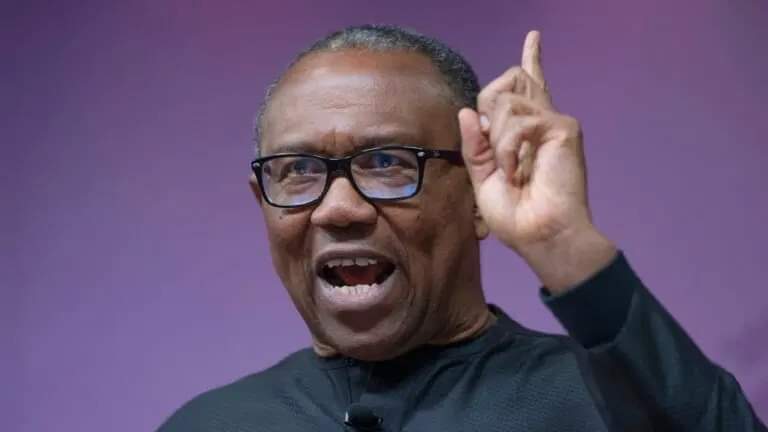
The 2023 presidential candidate of the Labour Party, Mr Peter Obi, has called on the federal government to investigate what he termed the ‘rascalities of leaders’ that always rob Nigeria of golden opportunities to make a positive change.


Obi was reacting to the poor outing of the Nigerian team in the ongoing Paris Olympics 2024. He complained about the attitude of Nigerian sporting authorities, noting that their gross misconduct should be checked.


According to him: “Now that the Paris Olympics 2024 has officially ended and our dear Team Nigeria, despite the huge financial investment made into the project, is returning without a single medal, let me unreservedly register my displeasure with the performance of our team and their handlers.


The rascality and recklessness that has continued to characterise leadership in our nation in nearly every department. The general impression that has come to stick is the one that portrays our country as a joke, even on the international stage.


How can one explain that a country like Jamaica spent less than 5% of what we spent on our contingents for the Paris Olympics 2024 and won as many as 6 medals. Yet with our huge financial investments and large contingent, we could not win even a single medal?


At least nine African countries won gold but the giant with over 200m people came home without even a bronze! We invested about N12 billion in this year’ s Olympics, which is almost twice the amount budgeted for the entire Ministry of Science and Technology for this year.


This is over N136 million (about $85,000) spent on each of the 88 Nigerian contingents to the Olympics, and no single medal was won while Jamaica, a nation which spent far less than we did, a total of about $2300 on each contingent, won 6 medals; 1 Gold, 3 Silver and 2 Bronze at the Olympics. We must now interrogate the relationship between this huge investment and our dismal outcome. Sad stories like this are our lot only because we have refused to embrace competence and capacity over routine and favouritism in Nigeria.


Let us consider the case of Favour Ofili, a Nigerian professional sprinter who trained for years for the 2024 Olympics, only for her name to be recklessly and wrongly removed from the list of athletes for the 100m race at the Olympics by Nigerian sporting authorities.


What explanation can anyone give about Annette Echikunwoke, a former Nigerian hammer thrower, who was frustrated by the same rascality of some Nigerian leaders, making her switch her allegiance to the United States, where she eventually won a medal in the just-completed Olympics?


These same professional athletes were denied the opportunity to represent our nation in Tokyo 2020, for similar reasons of administrative recklessness. I have it on good authority that some injured athletes, not physically fit to represent the country and not competing in the ongoing Olympics, were there in Paris receiving estacodes from our national resources. Some of the sports officials and others who have no reason to be at the Olympics were there too, living large and feeding fat on the estacodes while our nation was crashing out on every sporting event. One of our athletes, Ese Ukpeseraye, had to borrow a bicycle to compete at her sporting event!

Edo Refinery Laments NNPCl’s Failure To Supply Crude Oil For Production

0

The management of AIPCC Energy Limited, operators of the Edo Refinery and Petrochemicals Company Limited (ERPCL), has raised the alarm over the persistent lack of crude despite being a fully functional 1,000 barrels per day stream crude oil refinery.


It said that despite the disclosure by the Dangote Refinery and the directive by President Bola Tinubu that the establishment should supply crude oil to Dangote Refinery and other modular refineries in the country in naira denomination, the Edo Refinery is yet to receive any from the relevant authorities.


Speaking to journalists in Benin City at the weekend, the management of Edo Refinery, situated in Ologbo, Ikpoba-Okha Local Government Area (LGA) of Edo State, said it is facing significant challenges due to the persistent lack of crude oil supply.


A representative of the company, Segun Okeni, stated that the refinery, which requires 1,000 barrels per day stream crude, can barely function at full installed capacity.


Okeni said that although the company has existing crude oil supply agreements with Seplat and ND Western since 2022, bureaucratic bottlenecks have prevented the refinery from accessing the much-needed resource.


He alleged that in 2021, ERPCL’s letter addressed to Mele Kyari, Group Chief Executive Officer of NNPCL, after having a series of meetings and constant communication with him, was not attended to.


He said, “On 18th August 2021, our team led by our chairman met with the NNPCL CEO and its top management team to discuss our intention to buy crude oil from NNPCL, and we immediately wrote seeking crude supply,” the letter was dated 22nd July 2024.


“In July 2022, representatives of NNPC (from HQ Abuja and NPDC Benin) visited our facility for site inspection and to confirm the mechanical completion of the Edo refinery. In September 2022, we were invited for a commercial negotiation meeting with the NNPCL Head of Terms, after which we sent a follow-up letter identifying the oil fields from which we could offtake crude oil.


“In March 2022, we also wrote to the Ministry of Petroleum Resources, informing them of our refinery status, future projects, and our challenges of lack of crude oil supply to our refinery. We had also written and had a meeting with the NNPC Exploration and Production Limited (NEPL) between November 2022 and March 2023, indicating our severe need for crude oil supply from oil fields where NEPL has equity stakes.”


The ERPCL representative, however, noted that despite these meetings, correspondences, and communications with NNPCL over the past three years on the issues of crude oil supply, nothing was done.


Besides, he identified other key issues encountered by the refinery, such as the inability of NNPCL to assign any of the preferred fields to allocate crude to the company since it started engagement with the management on August 18, 2021, pointing out that even with the options given to allocate crude to the refinery from ND Western, First Hydrocarbon, and Seplat, nothing has happened to date.


He added, “ERPCL also has a Crude Oil Supply Agreement with ND Western to lift crude oil from the Ughelli Pumping Station (UPS) owned by NEPL and operated by Shoreline.


“We have held several meetings with Shoreline and Heritage Oil and indicated our readiness to make modifications needed to offtake crude oil from the UPS, but no progress has been made to date.”


On the way forward, ERPCL said NNPCL and other producers need to put loading infrastructure in place to allow for truck loading, decrying why Dangote would be getting 30,000bpd because it opened up to the public, while smaller refineries are not being served, which he likened to no respect for small players who can also grow the economy alongside the big players.


The representative of ERPCL therefore sought Kyari’s intervention as Group CEO of NNPC for NUIMS to give concurrence to the Seplat-ERPCL agreement to enable Edo refinery to start lifting crude oil from Oil Mining License.


Edo modular refinery


Describing the past two years as frustrating for the establishment, he said: “If we local investors can’t get crude, even as small as we are, how can foreign investors be encouraged to invest in the country? The total daily demand of all modular refineries is not up to two percent of the daily crude oil production. Our lifting from the pumping station will even reduce pipeline losses.”


Okeni argued that the advantage of loading from the NNPCL pumping station to the export terminal is that it costs less because the cost of pipeline export terminal charges and losses will be saved, which should make the modular refineries more competitive than the offshore refineries who come to the export terminal to take the crude, thereby making cost savings trickle down to Nigerian consumers.


“If the smallest refinery is not getting crude, it will discourage investors in that area,” Okeni said, contending that because of lack of crude, OPAC Refinery operates at less than 3% of its installed capacity and Edo Refinery at less than 10% of installed capacity.


He noted that Nigeria loses millions of dollars following the inability of NNPCL to supply modular refineries over the past three years, whose total installed capacity is less than 30,000bpd.

N573b fund: Presidency replies governors

0

The Presidency cleared the air yesterday on the controversy over the N573 billion received by states.

It said the fund is a World Bank loan, which the Federal Government guaranteed, and not a grant.


It explained that the issue of whether it was a grant or a loan should not be at the centre of discussion but rather how the money can assist in the country’s development.


The clarification was made through a Senior Special Assistant to the President on Media and Publicity, Temitope Ajayi.


He said: “I think the issue is not whether it is a loan or grant.


“The point, as clearly stated in the President’s broadcast, is that the states got money.


“The amount, which is the second tranche under the COVID-19 livelihoods support scheme under the NG-CARES Programme funded by the World Bank, is N570 billion.


“The fact is states are getting needed support and funding to improve the lives of the people.


“The World Bank facility is guaranteed by the Federal Government because every multilateral loan must have a sovereign guarantee.


“This means the loan will be repaid by the Federal Government in case the sub-nationals are unable to.


“There should be no hue and cry by any governor really if the objective is to serve the people and make life better for the masses.


“The President is elected to make life better for citizens the same way the governors are elected to do the same in their respective states.


“President Tinubu will continue to work to expand the economy and enable shared prosperity for all Nigerians.


“He considers the governors as partners in progress and the job of nation-building.


“What can’t be denied is that the states have more resources to deliver better service to the people, especially in critical areas of education, healthcare, security and physical infrastructure like roads among others.”


Ajayi described the issue as more than just semantics, explaining that the payment was the second tranche, with the first paid in October or November last year.


“I think the issue here is one or two governors trying to reduce the matter to semantics. It is much more than that.


“The fact remains that the Federal Government paid the states the money and the N573 billion is actually the second tranche.


“The first tranche was paid sometime in October or November last year,” he said.


Oyo State Governor Seyi Makinde and Niger State Governor Abdullahi Sule said at the weekend that they did not collect any money from the Federal Government, except the World Bank loan.


Makinde had said: “This is yet another case of misrepresentation of facts. The said funds were part of the World Bank-assisted NG-CARES project—a Programme for Results intervention.


“The World Bank facilitated an intervention to help states in Nigeria with COVID-19 Recovery. CARES means COVID-19 Action Recovery Economic Stimulus.


“It was called Programme for Results because states had to use their money in advance to implement the programme.


“After the World Bank verified the amount spent by the states, it reimbursed the states through the platform provided at the Federal level.


“The Federal Government did not give any state money; they were simply the conduit through which the reimbursements were made to states for money already spent.”

Glo Delights Subscribers with My-G Data Bundles

0

To further give its customers a delightful experience on the network, Globacom has unveiled a new offer, My-G Data Bundles, which gives subscribers the opportunity to access favourite music and entertainment apps online at unbeatable rates.


In a statement released in Lagos yesterday, Globacom said, “My-G Data Bundles are exciting and affordable packages which can be used to browse music and entertainment apps including WhatsApp, Tiktok, Snap Chat, BoomPlay, Audiomack, Instagram and GloTV”, adding that all Glo customers are eligible to enjoy the offering.


Under My-G Data Bundles, subscribers who opt for the N100 plan, which is valid for one day, will receive 400MB and one-hour extra data. Those who subscribe to the N300 plan will receive 1GB and extra one-hour data to browse, with 3 days’ validity. Also, a N500 subscription which comes with 7 days’ validity will give the customer 1.5GB and an hour extra data, while 3.5GB plus extra one hour data goes to a customer who goes for the N1,000 plan which is valid for 30 days. The one-hour extra data can be used on WhatsApp, Tiktok, Snap Chat, BoomPlay, Audiomack, Instagram and GloTV.It explained that subscribers on My-G Data plan without any other special data plan will be able to access WhatsApp, Tiktok, Snap Chat, BoomPlay, Audiomack, Instagram and GloTV.


Globacom stated that subscribers will be able to auto-renew the My-G Data Bundles when they have sufficient balance while unused data will be rolled over.‘Subscription will be auto renewed on the day of expiry as long as they have enough airtime, but they will receive a notification message before renewal and after renewal if they opt for Auto-renewal, while subscribing to the plan”, the company added.On how to enjoy the offer, Globacom said customers are to dial *312# and go to My-G Data Bundles to subscribe to the package, adding that the plan can be gifted or shared with family, friends and loved ones.

Lagos Blue Line upscales to 72 trips per day Monday

0

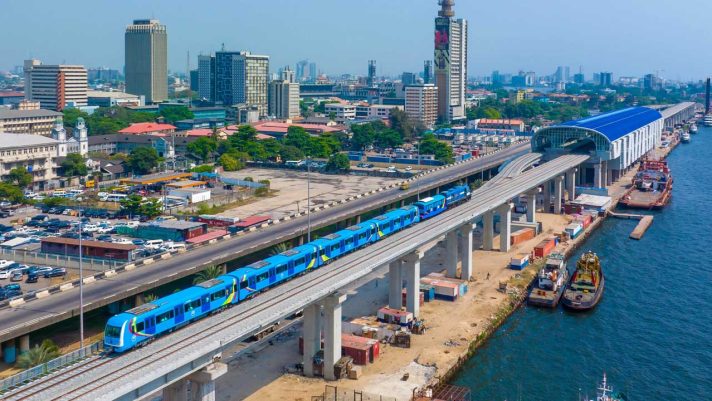
The Lagos Rail Mass Transit (LRMT) Blue Line will from Monday upscale the number of trips from 54 to 72 per day.


Mrs Abimbola Akinajo, the Managing Director of Lagos Metropolitan Area Transport Authority (LAMATA), said this in a statement made available to the News Agency of Nigeria (NAN) in Lagos.


Akinajo said the current schedule for Sunday operations remained unchanged.


“The Blue Line train riders will now travel between Marina and Mile 2 in just about 18 minutes from the previous travel time of 25 minutes.


“The implication is that there will be a train every 18 minutes both ways, thus allowing commuters to plan their trips,” she said.


She also announced a 25 per cent discount fare for commuters travelling within the off-peak period set at 10.00 a.m. and 4.00 p.m. daily.


“The new train schedule is potentially expected to reduce journey times, encourage more riders to use the train system off-peak periods and reduce transport spending.


“The new timetables are available on LAMATA website, stations and our social media handles,” she said.


The Blue Line which commenced passenger operation on Sept. 4, 2023, has moved close to two million passengers.

Dangote petrol: Marketers wait as delivery date extended again

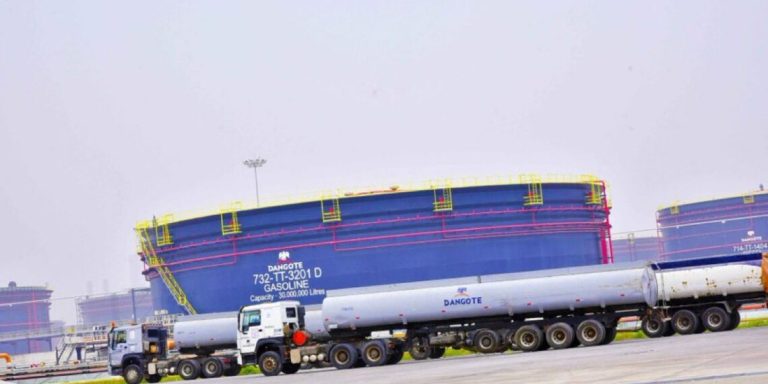
There are strong indications that the Dangote Petroleum Refinery may not roll out petrol on Monday in line with its earlier schedule.


The President, Dangote Group, Alhaji Aliko Dangote, had last month projected that the refinery would begin the production of petrol between August 10 and 12, 2024.


However, findings by The PUNCH reveal that the 650,000 barrels per day capacity refinery might not roll out petrol on Monday (today).


But multiple officials close to the development confirmed to The PUNCH on Sunday that all was set for the refinery to begin the production of the much-awaited Premium Motor Spirit before the end of August.


“All is set. The refinery will roll out petrol this month. However, its concern is that the refinery cannot stop for one minute, it needs the constant supply of crude to keep going,” one of the top officials close the refinery told The PUNCH on condition of anonymity on Sunday.


However, further findings show that the ongoing crude supply crisis might be a setback to the Dangote oil refinery which is supposed to commence the supply of the much-awaited Premium Motor Spirit, popularly called petrol, into the market today.


This is also as PMS marketers await the sale of the commodity by the refinery this week.


The PUNCH reliably gathered that the refinery has put efforts in top gear to roll out petrol this August, even as it awaits 29 million barrels of crude oil from the Nigerian Upstream Petroleum Regulatory Commission.


Reliable sources privy to the development told our correspondent that the refinery is ready to release petrol this month, regardless of the crude crisis.


The sources, who did not want to be mentioned because of the sensitivity of the matter, disclosed that the company is 100 per cent ready to pump out petrol as planned. However, they said the low supply of crude may impact the process.


“I can confirm to you that we will start the sale of PMS this August, though the low supply of crude oil has always been affecting the process. But from the information at my disposal, we are 100 per cent ready for the supply of PMS,” a source stated.


Another informed person said the refinery is still awaiting 29 million barrels of crude oil from the NUPRC.


“The NUPRC is yet to fulfil the supply of the 29 million barrels promised to Dangote. They are still waiting for that. Surprisingly, the 29 million barrels were allocated on paper, they didn’t get to the refinery, yet the NUPRC told the media on Friday that the crude was supplied.


“Dangote refinery needs 15 cargoes for September, only six cargoes have been supplied. Where do you want him to get the remaining nine cargoes? He will have to import again. Though the President said local refineries should buy in naira, but if it is at the international rate. What is the difference?” she asked.


Our correspondent reliably gathered that though Dangote will roll out the supply of petrol in August, the product may not be sold locally due to price differential.


Experts familiar with the company stated that the current price being offered by the Nigerian National Petroleum Company Limited for petrol is not competitive for any trader.


“For Dangote to sell to Nigerians, it has to be at a competitive rate. Dangote will source crude at the international rate, how do you expect him to sell at a rate below the cost price? So, it will be better to sell outside the country than to sell in Nigeria at a loss.


“There is a lot of politics in oil and gas, and this is heavily killing Nigeria. Just like former President Olusegun Obasanjo said, those making money from fuel importation are frustrating Dangote,” the expert said anonymously.


Some workers of the refinery who spoke reluctantly to our reporter maintained that all was set for the sale of petrol, but they would not know the exact date and the price.


“I learnt PMS will be out probably by next week, but I don’t know the exact date,” one of the workers disclosed, pleading not to be mentioned because he was not authorised to speak to the press.


29 million barrels


The PUNCH reports that the Dangote refinery engaged in an exchange of words with the NUPRC over the alleged supply of 29 million barrels of crude oil to the refinery.


The Dangote Group Thursday accused the NUPRC of failing to effectively enforce the Domestic Crude Supply Obligations regulations, saying the refinery had yet to get enough crude locally.


Reacting, the NUPRC debunked the claim, stating that it facilitated the supply of over 29 million barrels of crude oil to Dangote from January to June 2024.


The NUPRC argued that it had facilitated the domestic supply of crude oil to Dangote refinery and other refineries using the monthly production curtailment platform.


“A breakdown shows that nine refineries have benefitted from the 32,088,122 barrels of crude as Dangote alone enjoyed 29,047,098 barrels out of the total supply between January to June 2024.”


According to the commission, the Warri refinery reportedly received 949,670 barrels; NDPR refinery got 823,395 barrels of crude; Port Harcourt refinery received 471,123 barrels; Seplat-WPSOL refinery was allocated 419,541 barrels while Waltersmith-WSPOL refinery got 296,353 barrels.


Other beneficiaries listed include the Edo refinery which got 58,504 barrels of crude and Du-port refinery which got 22,438 barrels of crude.


It added that in the pursuit of its mandate, if it became necessary for licences to be withdrawn, the commission would do so, but it would not resort to the ‘presumptuous and arbitrary’ withdrawal of licences because of the ‘sanctity of contract.’


But in a swift response, the Dangote Group also denied receiving 29 million barrels of crude from any source.


Spokesperson of the Dangote Group, Anthony Chiejina, had said, “We receive NUPRC’s statement that they have facilitated the allocation of 29 million barrels of crude oil to the Dangote Petroleum Refinery and Petrochemicals, we would like to thank them for this allocation but at the same time, we wish to let them know that we are yet to receive these cargoes.


“Aside from the term supply we bilaterally negotiated with NNPCL, so far NUPRC has only facilitated the purchase of one crude cargo from a domestic producer. The rest of the cargoes we have processed were purchased from international traders.”


Chiejina added that all the refinery was asking for was for refineries in Nigeria to buy crude directly from the companies that produce it in Nigeria rather than from international middlemen.


“Unfortunately, the NUPRC has effectively admitted in their statement that they will be unable to enforce the domestic crude supply obligation as specified in the PIA, citing ‘sanctity of contracts’ as an excuse,” Chiejina stated.


In a chat on Sunday, the NUPRC spokesperson, Olaide Shonola, told our correspondent that the commission was looking into the claims by the refinery that the allocated 29 million barrels were not received.


“We are looking into this,” Shonola said, promising to revert later.


As August progresses, Nigerians are beginning to ask whether or not the Dangote refinery will be able to supply petrol this month as promised by the President of the Dangote Group, Alhaji Aliko Dangote.


The worries of many Nigerians stemmed from the crude shortage crisis that has been rocking the facility since it commenced operations a few months ago.


The PUNCH recalls that Dangote had to postpone the supply of PMS like three times since the refinery began the sale of diesel and aviation fuel in April.


In May, Dangote told Nigerians that fuel importation would completely stop in Nigeria the moment the refinery began the sale of petrol in June.


Related News

During the Africa CEO Summit in Rwanda, Dangote promised that the refinery would put an end to the monthly importation of an average of one billion litres of PMS in Nigeria from June.


According to him, following the laid-down plans of the Dangote refinery, Nigeria will no longer need to import petrol starting in June.


He said, “Right now, Nigeria has no cause to import anything apart from gasoline (petrol) and by sometime in June, within the next four or five weeks, Nigeria shouldn’t import anything like gasoline; not one drop of a litre.


“We have enough gasoline to give to at least the entire West Africa; and diesel to give to West Africa and Central Africa. We have enough aviation fuel to give to the entire continent and also export some to Brazil and Mexico.


“We have started producing jet fuel, we are producing diesel, and by next month (June), we’ll be producing gasoline. What that will do is that it will be able to take most African crude.”


In June, Dangote informed Nigerians that his plan to release petrol into the market in the sixth month of the year would no longer be possible, sparking reactions from Nigerians.


While on a tour of the facility with Governor Babajide Sanwo-Olu of Lagos State and other dignitaries, he announced, “We had a bit of delay, but PMS will start coming out by 10 to 15 of July. But then, we want to keep it in the tank to make sure that it settles. So, by the third week of July, we’ll be able to come out to take it into the market,” Dangote had said.


However, this could not happen in July as Dangote again told pressmen that the supply of petrol was impacted by a fire incident that broke out at the refinery’s effluent treatment plant on June 26. He said the product would be out between August 12 and 15.


Marketers await Dangote


Meanwhile, petroleum marketers in Nigeria said they are still waiting to hear from the refinery on when it would begin the release of petrol.


Both major and independent marketers showed interest in buying PMS from Dangote, especially after years of depending on the Nigerian National Petroleum Company Limited for petrol.


The Executive Secretary of the Major Energies Marketers Association of Nigeria, Clement Isong, told The PUNCH on Sunday that the major marketers are waiting to hear from the Dangote Group.


According to him, MEMAN members are currently buying PMS from the NNPC while most of them get diesel and aviation fuel from the Dangote refinery.


“We are still waiting for them. Currently, it is only the NNPC that imports PMS because of the price differential. So, we are waiting (for Dangote refinery).


“Currently, we are all buying AGO (diesel) and ATK (aviation fuel) from the Dangote refinery. To the best of my knowledge, marketers are not buying PMS yet,” Isong stated.


Crude crisis


The PUNCH recalls that the management of the Dangote Group had alleged that the International Oil Companies were still frustrating crude supply to the 650,000-capacity refinery.


The group said the IOCs insisted on selling crude oil to its refinery through their foreign agents, saying the local price of crude will continue to increase because the trading arms offer cargoes at $2 to $4 per barrel, above NUPRC’s official price.


It also alleged that the foreign oil producers seem to be prioritising Asian countries in selling the crude they produce in Nigeria.


The Vice President of Oil & Gas, Dangote Industries Limited, Mr Devakumar Edwin, had said, “If the Domestic Crude Supply Obligation guidelines are diligently implemented, this will ensure that we deal directly with the companies producing the crude oil in Nigeria as stipulated by the Petroleum Industry Act.”


Edwin insisted that IOCs operating in Nigeria have consistently frustrated the company’s requests for locally produced crude as feedstock for its refining process.


He highlighted that when cargoes were offered to the oil company by the trading arms, it was sometimes at a $2 to $4 (per barrel) premium above the official price set by the Nigerian Upstream Petroleum Regulatory Commission.


Edwin was reacting to a statement by the Chief Executive of the NUPRC, Gbenga Komolafe, who in an interview on national television said, “It is ‘erroneous’ for one to say that the International Oil Companies are refusing to make crude oil available to domestic refiners, as the Petroleum Industry Act has a stipulation that calls for a willing-buyer, willing-seller relationship.”


The Chief Executive of Nigerian NMDPRA, Farouk Ahmed, had also debunked the claim by the Dangote official, saying Nigeria could not rely heavily on the Dangote refinery for its fuel supply.


Ahmed had also alleged that Dangote diesel had a higher sulphur content than the ones imported into the country.


But the President of the Dangote Group, Aliko Dangote, had denied the allegation, wondering how he could be a monopoly when the Nigerian National Petroleum Company Limited was renovating government-owned refineries with $4bn.


President Bola Tinubu has since ordered the NNPC to sell crude oil to Dangote in naira.


Hasten crude supply


Oil marketers who weighed into the matter called on the NNPC and the International Oil Companies to hasten up the process of crude oil supply to local refineries both in naira and adequate volumes.


Reacting to the claim by Dangote and other domestic refiners that they had yet to get crude both in naira and as required, the National Publicity Secretary, Chief Ukadike Chinedu, said, “I think the NNPC is on top of this matter.


“However, I must state that they need to expedite action to ensure that crude oil is sent to the refineries. But you need to understand that the process of getting something from the government does not happen easily, some processes must be followed.


“While we admit that there are processes, we are advising those implementing these processes to hasten it up so that the refineries will start refining as quickly as possible and bring down the costs of these petroleum products which have remained a burden on Nigerians.


“It is not sensible that we are an oil-producing country and refined products are still high in our nation, and we are still importing from other refineries when we have refineries in Nigeria. We have to act and it has to be fast.”


Also speaking on the matter, the National Operations Controller of IPMAN, Mustapha Zarma, called on NNPC and IOCs to strive to supply crude oil to domestic refineries both in naira and the required volumes.


This, he said, was because of the enormous gain that the domestic supply of crude oil would have on the local currency and the Nigerian economy.


“The directive of Mr President on the supply of crude oil to Dangote and other local refineries is a welcome development and will help the naira appreciate. This is because most of the demand for forex comes from the petroleum sector.


“So if the refineries get crude oil in naira, I believe that there won’t be much pressure again on the naira. It is a welcome development that should be implemented by the oil producing companies and NNPC.


“Also, they must strive to ensure the supply. Of course, this may not be immediate considering the processes that it may require but the fact is that it should be given the necessary speed to save our local currency from further depreciation,” Zarma stated.