

Home Blog Page 208

PRESIDENT TINUBU LAUNCHES EDUCATION CAMPAIGN, SAYS NO CHILD SHOULD BE EXCLUDED FROM LEARNING

0

STATE HOUSE PRESS RELEASE


PRESIDENT TINUBU LAUNCHES EDUCATION CAMPAIGN, SAYS NO CHILD SHOULD BE EXCLUDED FROM LEARNING


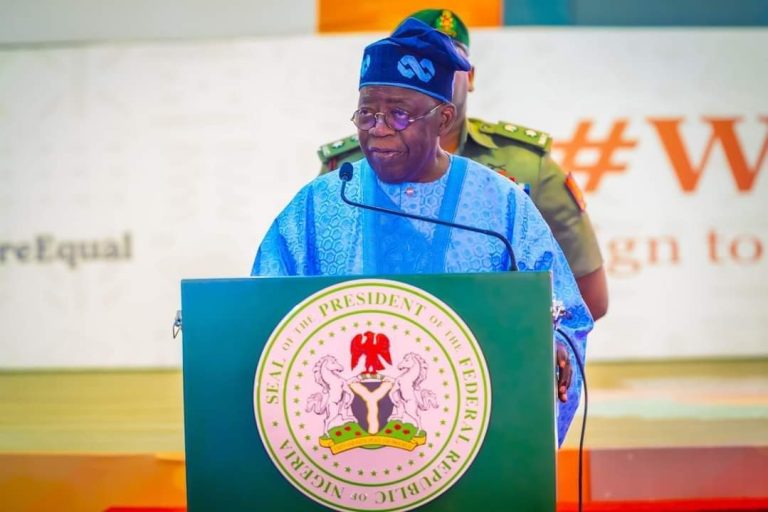
President Bola Tinubu on Monday launched a campaign to promote inclusive education, skill development, and gender equity.


The campaign tagged, #WeAreEqual, is an initiative of the Organization of African First Ladies for Development (OAFLAD).


The campaign has been launched in 15 African countries in different iterations, focusing on health, education, economic empowerment, and gender-based violence.


The Nigerian component of the programme is tagged, ‘Education as a Powerful Tool for Change’, championed by the First Lady, Senator Oluremi Tinubu, CON.


Speaking at the launch of the campaign at the State House, President Tinubu saluted the commitment of African First Ladies, as members of OAFLAD, to advance gender equality and narrow the gender gap across the continent.


“This campaign holds significant importance for us in Africa. I, therefore, congratulate you all, particularly my dear wife, Senator Oluremi Tinubu, the First Lady of Nigeria, who has chosen education as a primary tool to champion this campaign nationwide.


“The focus of the launch of this campaign in Nigeria, ‘Education as a Powerful Tool for Change’ is critical for Africa’s development, if we are to attain gender equity and ensure equal opportunities for all.


“We must continue to create opportunities for all our children to access quality education without leaving anyone behind, particularly the girl child. We must engender a society where everyone has the same opportunities, regardless of who they are, because doing that leads to a stronger and more peaceful society for all,” the President said.


President Tinubu noted that the launch of the campaign in Nigeria coincides with the re-introduction of the Alternative High School for Girls advanced by the First Lady, adding that this initiative offers a second chance to young girls, who have dropped out of school, to continue their education and fulfill their dreams and aspirations.


“I am happy to note that the foundation stone of one of the schools was recently laid in Osun State, in western Nigeria, by the First Lady. More schools are underway across the country, supported by state governments, the federal government through the Universal Basic Education Commission (UBEC), and other development partners.


“As governor of Lagos State, before I became President of Nigeria from May 29, 2023, I witnessed first hand, how societal challenges, such as unwanted teenage pregnancy, domestic violence, human trafficking and drug addiction can obstruct the promising future of young girls.


“Indeed, the re-introduction of Alternative High School for Girls by the First Lady of Nigeria must have received inspiration from the successful implementation of a similar initiative in Lagos State during my tenure as governor,” the President said.


President Tinubu emphasized that education is the cornerstone of national development and that when girls are empowered to pursue their dreams, communities thrive, economies prosper, and nations succeed.


He said it is, therefore, incumbent on all stakeholders to continue to take bold and decisive actions to eliminate the structural inequalities that hold women back on the continent.


“We must be conscious of the fact that the empowerment of women and girls is essential to achieving each of the United Nations’ Sustainable Development Goals. We must work together to promote laws and policies that protect and promote women’s rights, invest in girls’ education and skills development, and create economic opportunities that are accessible to all.


“For us in Nigeria, the full operationalization of the Student’s Loan (Access to Higher Education) Act is key to achieving these goals as it will ensure that all young people have unhindered access to education.


“The Nigerian government, through the Federal Ministry of Industry, Trade and Investment, is also implementing a N50,000 non-repayable grant programme for one million Nigerians in Nano businesses and skilled trades, including women and youth,” President Tinubu said.


The President also said his administration will continue to work to end gender-based violence and increase learning opportunities for girls, in safe and conducive environments, adding: “These measures will enable more women succeed in different vocations and properly shape their future endeavours, from politics to engineering, science, technology, sports, and the creative economy.”


President Tinubu reaffirmed his commitment to ensuring that no Nigerian child is excluded from quality education that prepares women and girls to lead and bring positive change to communities.


“Let us carry forward this campaign, which promises to gift an educated girl-child the potential to bring the necessary change and transform African communities for the better.


“It is now my honour to launch the (#) We Are Equal Campaign in Nigeria. I wish you all a fruitful deliberation. I enjoin you to enjoy your stay in our beautiful country,” the President concluded.


Chief Ajuri Ngelale


Special Adviser to the President


(Media & Publicity)


May 13, 2024
FG To Receive $2.25bn World Bank Loan, June

The Federal Government is poised to receive fresh loan funding from the World Bank, with approval expected for loans totalling $2.25bn on June 13, 2024.


The funding will be received via two major development projects. The first project is the Nigeria Reforms for Economic Stabilisation to Enable Transformation Development Policy Financing, which is set to receive $1.5bn.


The second project, NG Accelerating Resource Mobilisation Reforms Programme-for-Results, has proposed funding of $750million.


There were reports that the government might reintroduce previously suspended telecom tax and other fiscal measures in pursuit of securing the $750million loan.


A copy of the plan’s document posted on the World Bank website indicated that the government might reintroduce the excises on telecom services, and EMT levy on electronic money transfers through the Nigerian Banking System among other taxes.

However, the latest information suggests that the administration may have nearly guaranteed the loan.


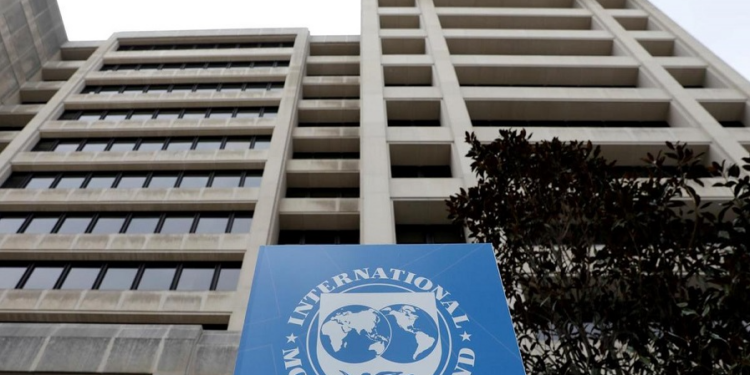
The Minister of Finance, Wale Edun, at the spring meetings of the International Monetary Fund and the World Bank last month, had announced that the nation had qualified for processing a loan, described as ‘virtually a grant’ of $2.25bn from the World Bank at one per cent interest rate.


The package, approved by the Board of Directors of the World Bank, offers a 40-year term with a 10-year moratorium and a nominal one per cent interest rate.


He stated, “We have qualified for the processing just this week to the Board of Directors of the World Bank of a total package of $2.25bn of what you can call ‘the closest you can get to a free lunch’- virtually a grant. It’s for about 10- 20 years moratorium and about one per cent interest.”


According to programme information documents posted on the international lender website, the two projects aim to enhance Nigeria’s economic stability and resource mobilisation capabilities.


It is expected that the funds will bolster Nigeria’s efforts in reforming economic policies and enhancing government resource mobilisation, essential for the country’s long-term financial sustainability and economic resilience.


The document stated that the primary aim of the PforR programme is to boost non-oil revenues and safeguard oil and gas revenues from 2024 to 2028 at the federal level, emphasising substantial tax, excise, and administrative reforms.


The programme includes three main result areas: implementing tax and excise reforms to increase VAT collections and excise rates on health and environmentally friendly products, strengthening tax and customs administrations to enhance VAT compliance and effectiveness of audits, and safeguarding oil and gas revenues by increasing transparency and net revenue contributions.


The PforR programme includes technical assistance, supporting the Federal Inland Revenue Service and the Nigeria Customs Service to enhance taxpayer and trader compliance.


“The principal programme development objective is to raise non-oil revenues and safeguard oil and gas revenues. This result area aims to increase the transparency of NNPCL’s financial and operational performance through audits and regular production of enhanced reports submitted to FAAC, including all relevant information; and increase net oil and gas revenues transferred to the Federation,” the report read.


Also, the proposed DPF for Nigeria consists of a standalone operation with two tranches designed to support significant reforms in alignment with the government’s economic stabilisation and recovery priorities.


This operation is structured around four key results distributed across two pillars: increasing fiscal oil revenues from 1.8 per cent of Gross Domestic Product in 2022 to 2.7 per cent by 2025, boosting non-oil fiscal revenues from 5.3 per cent to 7.3 per cent over the same period, expanding social safety nets to assist 67 million vulnerable Nigerians, and raising the import value of previously banned products from $11.3m to $54.6mby 2025.

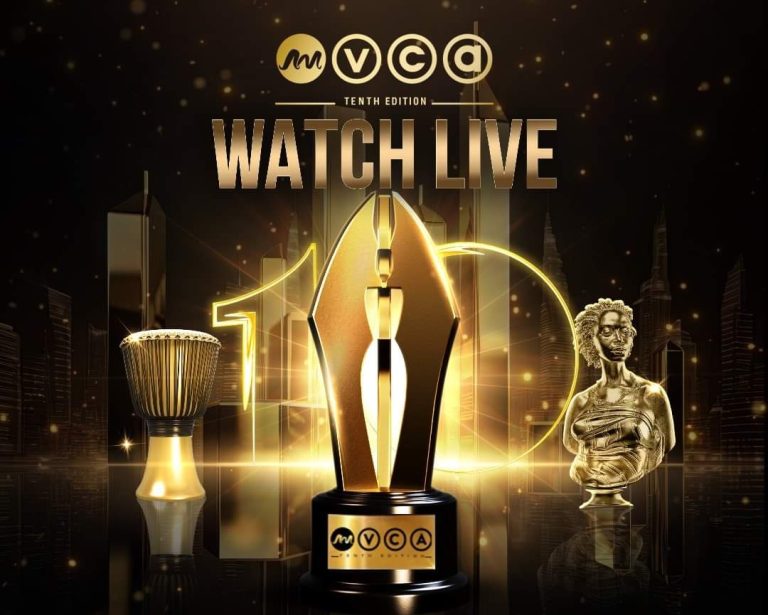
FULL LIST: AMVCA 2024 winners

The 10th Africa Magic Viewers’ Choice Awards was held today at the Eko Hotel and Suites, Lagos State.


The AMVCA, an annual award presented by MultiChoice, recognises outstanding achievements in television and film.


Below is the list of winners:


Best Makeup


Francesca Otaigbe (Over the Bridge)


Campbell Precious (Mami Wata) – WINNER


Hadizat Gambo (Mojisola)


Hakeem Onilogbo (Jagun Jagun — The Warrior)


Feyisayo Oyebisi (A Tribe Called Judah)


Best Art Direction

Blood Vessel (Victor Akpan)


Over The Bridge (Abisola Omolade) – WINNER


Breath of Life (Okechukwu Frost Nwankwo, Kelechi Odu)


The Black Book (Pat Nebo and Chima Temple)


Jagun Jagun: The Warrior (Tunji Afolayan)


Mami Wata (C.J ‘Fiery’ Obasi)


Omen (Eve Martin)


Best Costume Design

Demola Adeyemi (Over The Bridge)


Bolanle Austin Peters, Ituen Basi, Folake Coker and Clement Effanga (Funmilayo Ransome-Kuti)


Lola Awe (Jagun Jagun: The Warrior) – WINNER


Bunmi Demilola Fashina (Mami Wata)


Daniel Obasi (Breath of Life)


Best Writing TV Series


Skinny Girl in Transit Season 7 (Bunmi Ajakaiye, Ifeanyi Barbara Chidi and Abdul Tijani- Ahmed)


Wura Season 2 (Jeffery David Musa, Olumide Kuti & Esther Oyiza Kokori)


Visa on Arrival (Bovi Ugboma)


MTV Shuga Naija (The MTV Staying Alive Foundation)


Volume (Mona Ombogo) – WINNER


Masquerades of Aniedo (Timendu Aghahowa & Motunde Akiode)


Slum King (Donald Tombia, Ifeanyi Barbara Chidi, Fatimah Binta Gimsay & Xavier Ighorodje)


Best Writing in a Movie

Breath of Life (BB Sasore)


Over The Bridge (Tosin Otudeko)


Funmilayo Ransome-Kuti (Tunde Babalola) – WINNER


Jagun Jagun: The Warrior (Adebayo Tijani)


Afamefuna (Anyanwu Sandra Adaora)


A Tribe Called Judah (Olufunke Ayotunde Akindele, Collins Okoh and Akinlabi Ishola)


Mami Wata (C.J. ‘Fiery’ Obasi)


Best Sound Design


Ava Momoh (Over the Bridge)


Daniel Pellerin and Amin Bhatia (Kipkemboi)


Grey Jones Ossai ( Blood Vessel) – WINNER


Grey Jones Ossai (Breath of Life)


Samy Bardet (Mami Wata)


Best Editing


Chuka Ejorh And Onyekachi Banjo (Over The Bridge)


Holmes Awa (Breath of Life)


Alex Kamau And Victor Obok (Volume)


Dayo Nathaniel (Ogeere — Earth)


Antonio Ribeiro (The Black Book) – WINNER


Nathan Delannoy (Mami Wata)


Best Indigenous Language Film (West Africa)

Mami Wata (C.J. ‘Fiery’ Obasi)


Jagun Jagun (Femi Adebayo) – WINNER


Ijogbon (Kunle Afolayan)


Orisa (Odunlade Adekola)


Nana Akoto (Kwabena Gyansah)


Best Indigenous Language (East Africa)


Where The River Divides


Ormoilaa Ogol (The Strong One) – WINNER


Wandongwa


Nakupenda


Itifaki


Best Cinematography


Mami Wata (Lílis Soares)


Blood Vessel (Gideon Chukwu)


Over The Bridge (KC Obiajulu) – WINNER


Breath of Life (Ola Cardoso)


Jagun Jagun — The Warrior (Adeoluwa Owu)


Ijogbon — Chaos (Adekunle Nodash Adejuyigbe)


Omen (Joachim Philippe)


Best Indigenous M-Net Original

The Passenger


Nana Akoto


Apo


Irora Iya (Adeniyi Joseph) -WINNER


Love Transfusion (Kiapo Cha Damu)


Best Digital Content

National Treasure — Adebola Adeyela (Lizzy Jay)


Medical Negligence and Copyright Infringement — Isaac Ayomide Olayiwola (Layi Wasabi) – WINNER


Hello Neighbour — Elozonam Ogbolu, Lina idoko and Jemima Osunde


The Boyfriend — Maryam Apaokagi-Greene


Best Short Film


T’egbon T’aburo


Broken Mask – WINNER


Eighteenth Year


Man and Masquerades


A Place Called Forward


Best Unscripted M-Net Original

What Will People Say


The Irabors’ Forever After


Nwuyee Bekee (Foreign Wives) – WINNER


Date My Family Zambia


Royal Qlique (Season 2)


Best Scripted M-Net Original


Slum King – WINNER


Half Open Window


Itura


The Passenger


Magic Room


Best Supporting Actress

Joke Silva (Over the Bridge)


Fathia Williams (Jagun Jagun — The Warrior)


Bimbo Akintola (The Black Book)


Genoveva Umeh (Breath of Life) – WINNER


Eliane Umuhire (Omen)


Tana Adelana (Ijogbon — Chaos)


Ejiro Onojaife (The Origin: Madam Koi Koi)


Best Supporting Actor

Alexx Ekubo (Afamefuna)


Demola Adedoyin (Breath of Life) – WINNER


Itele d Icon (Jagun Jagun: The Warrior)


Gregory Ojefua (This is Lagos)


Timini Egbuson (A Tribe Called Judah)


Levi Chikere (Blood Vessel)


Ropo Ewenla (Over the Bridge)


Trailblazer

Chimezie Imo


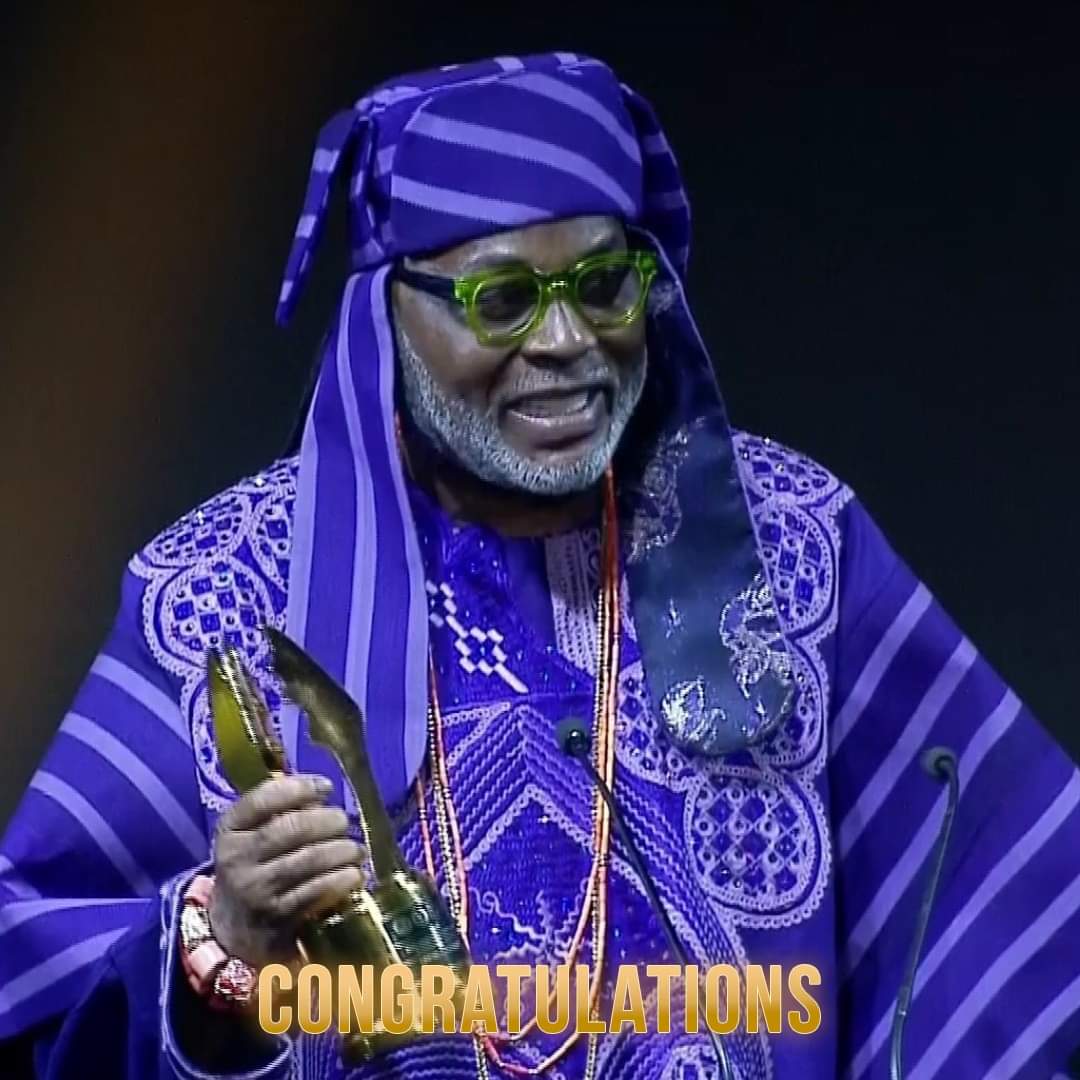
Industry Merit Award

Esther Idowu Philips AKA Iya Rainbow

Richard Mofe-Damijo


Best Lead Actress

Segilola Ogidan (Over the Bridge)


Lucie Debay (Omen)


Omowunmi Dada (Asiri Ade)


Ireti Doyle (The Origin: Madam Koi Koi)


Adaobi L. Dibor (Blood Vessel)


Evelyne Ily (Mami Wata)


Kehinde Bankole (Adire) – WINNER


Funke Akindele (A Tribe Called Judah)


Best Lead Actor

Wale Ojo (Breath of Life) – WINNER


Stan Nze (Afamefuna)


Marc Zinga (Omen)


Gideon Okeke (Egun)


David Ezekiel (Blood Vessel)


Richard Mofe Damijo (The Black Book)


Adedimeji Lateef (Jagun Jagun — The Warrior)


Gabriel Afolayan (This is Lagos)


Best Multichoice Talent Factory Movie


Grown


Her Dark Past – WINNER


Somewhere in Kole


Full Time Husband


The 11th Commandment


Mfumukazi


Best Unscripted Series


Lol Naija (Season 1)


Nightlife In Lasgidi


The Real Housewives Of Lagos (Season 2)


Gh Queens (Season 2) – WINNER


Mutale Mwanza Unscripted (Season 1)


Best Scripted Series


Volume


Wura (Season 2)


Slum King


Itura – WINNER


Chronicles


Best Director

Moses Inwang (Blood Vessel)


Adebayo Tijani And Tope Adebayo (Jagun Jagun — The Warrior)


BB Sasore (Breath of Life) – WINNER


Johnscott Enah (Half Heaven)


C.J. Fiery Obasi (Mami Wata)


Kayode Kasum (Afamefuna)


Tolu Ajayi (Over The Bridge)


Best Movie

Funmilayo Ransome-Kuti


Breath of Life – WINNER


Over The Bridge


Blood Vessel


A Tribe Called Judah


The Black Book


Mami Wata


Congratulations 👏🎉👏 to all winners 🏆

NIMC to upgrade software as NIN hits 107 million

0

The National Identity Management Commission (NIMC) has said that 107.33 million Nigerians have been enrolled into the National Identification Number (NIN) database as of May 2023.


This is an increase of 3.18 million from the 104.16 million recorded as of December 31, 2023.


The Director of Database at NIMC, Mr. Femi Fabunmi, disclosed this during a press briefing on Friday in Abuja, saying: “As of this morning, the total enrolment in our database is 107,338,044.”


The increase is likely triggered by an announcement by the Central Bank of Nigeria (CBN) that all bank accounts without BVN or NIN would be frozen from April 2024.


In a circular by the apex bank in December 2023, it instructed banks to place a “Post no Debit” restriction – which prevents customers from making withdrawals, transfers, or any other debits “for all existing Tier-1 accounts/wallets without BVN or NIN”.


‘Post No Debit’ is a term used to describe a restriction imposed by banks on specific accounts, preventing customers from making withdrawals, transfers, or any other debits from such accounts.


NIMC working on expanding the database

The Director-General of NIMC, Abisoye Coker-Odusote, noted that the capacity of the current database is almost exhausted and efforts are ongoing to expand the database to cover 250 million unique NINs for adults.


She said: “We have started to work on upgrading the capacity across all boards from the network infrastructure perspective to software licensing areas. We are working on that to increase the capacity that we have. We are trying to ensure that we increase it from 100 million to 250 million.”


On how long the upgrade may take, she noted: “That process will take us a minimum of six to nine months. So, it is a lot of work that needs to be done but we have commenced that process.”


She further lamented that a lot of the commission’s equipment is outdated and needs to be replaced and upgraded.


When asked about the current capacity of the database, she further clarified that although the number of NINs recorded exceeded 100 million, which is the capacity of the database, some of the data are for children, not adults, and certain data like fingerprints are not collected from children.


Stressing the need for upgrading the database, she said: “We are approaching the end of our capacity.”


The director of the database who spoke with Nairametrics briefly after the media parley also clarified that the 100 million capacity is based on licensing available for each NIN.


He stressed that the licensing is not required for data collected from children. This is why the database is yet to reach its 100% capacity.


NIMC plans to review prices

The NIMC DG also disclosed that the commission is currently reviewing the fees it offers for its services, stressing that getting NIN is free.


She said: “We are definitely reviewing our rates. We will not increase them too much, but we are going to review our rates.”


Coker-Odusote also noted that the NIMC fees have not been increased in a long time but assured that the increase will be moderate.


She also said that the newly launched multipurpose identity card is not free.


The NIMC boss also said that the NIMC is partnering with ministries like the Ministry of Agriculture to ensure more onboarding. She noted that some government agencies have been made front-end partners to help more Nigerians get their NIN.


Coker-Odusote also noted that some front-end partners have been found wanting for how they handled the NIN registration process, noting that investigations are ongoing on that.


She added that she met a debt of almost N30 billion, and this is among the issues that the commission under her is working to resolve.


Although NIMC said it would clear outstanding debts to front-end partners in the first quarter of 2024, the commission’s DG noted some of the partners are being engaged in a discussion to settle fines for infractions before the debts will be paid.


IMF recommends registering, licensing global crypto trading platforms in Nigeria 

The International Monetary Fund (IMF) has recommended that global crypto trading platforms should be registered or licensed in Nigeria and subject to regulatory requirements.


It made this recommendation in the latest IMF staff country report for Nigeria, warning that the rapid growth of foreign exchange (FX) trading platforms in Nigeria poses new challenges to the country’s financial stability.


The IMF also noted that Nigerian authorities took significant steps at the end of February to address issues surrounding cryptocurrency trading platforms.


The report read: “Staff recommends that global crypto trading platforms be registered or licensed in Nigeria and subject to the same regulatory requirements applicable to financial intermediaries following the principle of same activity, same risk, and same regulation.”


The IMF also urged Nigerian authorities to strengthen anti-money laundering and combating the financing of terrorism (AML/CFT) preventive controls on crypto trading platforms. It emphasized the need for effective risk-based supervision of these platforms and other virtual asset service providers.


FG says illicit flows through crypto platforms pressure exchange rate

During discussions with the IMF team, the Nigerian authorities noted the need to stabilize the FX market through critical reforms.


Acknowledging mounting pressure on the exchange rate due to illicit flows via crypto platforms, the authorities highlighted the significance of maintaining external stability.


They pointed out that recent reforms and efforts to attract FX liquidity, including a mandate requiring international oil companies to hold 50% of repatriated oil receipts in Nigeria for 90 days, were designed to achieve this goal.


The Nigerian government admitted that illicit flows through cryptocurrency platforms are exerting undue pressure on the exchange rate. Consequently, the authorities have moved to implement stricter controls on crypto platforms and reinforce compliance with existing FX regulations.


The report read: “The authorities agreed with the importance of maintaining external stability and emphasized that the reforms which they have implemented as well as efforts to bring in FX liquidity—including the requirement for international oil companies to hold 50 percent of repatriated oil receipts in Nigeria for 90 days—are geared towards that end. They see pressure on the exchange rate now coming from illicit flows, including through crypto asset platforms, and not being driven by fundamentals, noting that some ceilings on FX access are intended to curb abuse.”


More Insights

South Africa was reported to lead the way in cryptocurrency regulation by licensing approximately 60 digital-asset platforms, positioning itself as one of the first nations on the continent to mandate permits for crypto exchanges.

With Nigeria accounting for about 66.8% of the Africa’s cryptocurrency interest, the Office of the National Security Adviser (ONSA) classified cryptocurrency trading as a national security issue. Also, the Central Bank of Nigeria (CBN) directed four fintech startups operating in the country—Opay, Moniepoint, Paga, and Palmpay—to block the accounts of customers engaging in cryptocurrency transactions and to report those transactions to law enforcement agencies.

Earlier in February this year, crypto trading platform, Binance, had to disable its peer-to-peer feature for Nigerian users as it came under the searchlight of the Nigerian government over allegations of currency manipulation and money laundering.

Meanwhile, the Nigerian Securities and Exchange Commission (SEC), during a virtual meeting with the Blockchain Industry Coordinating Committee of Nigeria (BICCoN), called for a new cryptocurrency measure that aims to remove the naira as a currency pair from cryptocurrency peer-to-peer platforms.


Don’t use telecom as palliative for economic woes, ALTON tells Nigerian government

0

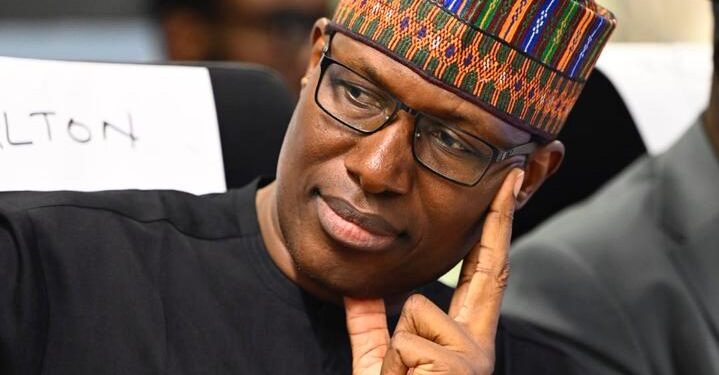
The Association of Licensed Telecom Operators of Nigeria (ALTON) has advised the federal government not to use the telecoms sector as a palliative to solve the current economic woes in the country.


ALTON Chairman, Gbenga Adebayo, made this call during his address at the Groupe Spécial Mobile Association (GSMA) digital economy report launch which took place in Abuja.


This comes against the backdrop of the clamour for a telecom tariff increase and the stance of the government.


According to Adebayo, the telecom industry faces numerous challenges that hinder its growth and development. He emphasized the need for sustainable investment, effective regulation, and a conducive business environment to drive progress.


Need for price review

Emphasizing the need for a review of the current tariff regime in the telecom sector, Adebayo said, “The price review should be a simple regulatory process. The public debate this has gained makes it appear the industry is insensitive to people’s concerns.


“While the government tries to provide incentives for the public on account of ongoing macroeconomic headwinds, the telecoms sector should not be used as a palliative to solve the people’s problem. We must price right to sustain the industry; we must price right to have the right investment.”


Adebayo highlighted the existence of over 45 associated charges and levies on operators, despite the claims of right-of-way costs by some states.


He said that it creates an unfavourable business environment, discouraging investment and hindering the industry’s ability to deliver quality services.


He also stressed that regulatory interference and the lack of independence for the regulator exacerbate the problem.


He added that the industry must be allowed to operate sustainably, with the right investment and regulation, to deliver quality services and drive economic progress; encouraging stakeholders, including policymakers, regulators, and operators, to work together to address the challenges facing the industry to drive economic growth, and fulfil its potential as a critical sector in Nigeria’s economy.


What the government is saying

Meanwhile, the Federal Government has faulted the proposal by the telecommunications companies to raise their tariffs, noting that increasing data, voice, and text message prices is not the “sole or optimal solution” to the sector’s challenges.


The Minister of Communications Innovations and Digital Economy, Bosun Tijani, who responded to the telecom operators’ proposal at the GSMA event, urged the companies to explore innovative solutions to counter inflationary pressures and high operating costs.


“We have to deepen and address so many of these things. The solutions to these things will not come from one single thing, which is raising the tariff, that’s never going to be the solution. There are tons of other things that can be done to ensure that the business environment is conducive for the investors in this phase and the government is articulating that including the tariff conversation.


“The government may intentionally put out the right messages, the right policies, and the right intentions but if everything that is coming from the association on just one issue is extremely negative, investors will not come in. Investors will not help. And if we go back to my very clear point, I’ve not seen anything more in what you are demanding that is difficult,” the Minister said.


Economic expert’s perspective

While the government has not seen the need for price review in the telecom market, an economic expert and Chief Executive Officer of Financial Derivatives Company Limited, Mr. Bismarck Rewane, earlier this week explained why the operators should be allowed to increase tariffs.


According to him, the last time there was a telecom price review was in 2013, and the prices of every other service in Nigeria have gone up in multiple-folds since then.


Rewane said the current tariff regime is inhibiting the operators’ capacity to invest more in infrastructure, hence, the quality of their services has been deteriorating in recent times.


He added that poor telecom services, would not only affect the telecom subscribers but the economy at large.


FG’s plan to issue domestic dollar bond may pressure naira – IMF

FG’s plan to issue domestic dollar bond may pressure naira – IMF

Sami Tunji

The International Monetary Fund (IMF) has expressed concerns over the Nigerian government’s strategy to issue domestic dollar-denominated bonds, according to the recently published IMF staff country report for Nigeria.


The Fund warns that this move could exacerbate pressures on the naira and elevate the costs associated with naira securities.


FG revises Medium-Term Debt Strategy

The report noted the federal government’s plan to revise its Medium-Term Debt Strategy, developed in collaboration with the IMF and World Bank Capacity Development (CD).


The revision aims to bolster the issuance of medium-term securities and Eurobonds while maximizing multilateral and bilateral support.


The report read: “With monetary tightening and elevated external financing costs, interest expenditures will go up. The authorities are updating their Medium-Term Debt Strategy with IMF/WB CD, seeking to increase issuance of medium-term securities and Eurobonds, while maximizing multilateral and bilateral support.


“The government plans to issue domestic FX securities to bring onshore dollar liquidity to the official market, which could lead to market fragmentation, increase the cost of naira securities, and add to pressures on the naira.”


Risk of market fragmentation

The IMF also noted that the federal government’s plan to introduce domestic foreign exchange securities, intended to enhance dollar liquidity in the official market, could fragment the market.


The IMF advised the Central Bank of Nigeria (CBN) to develop a foreign exchange intervention framework to mitigate excessive volatility in the naira, given the limited depth of Nigeria’s foreign exchange market.


The report stated: “Domestic issuance of FX denominated government securities is likely to lead to market fragmentation and weaken the transmission mechanism. The CBN should develop an FXI framework to smooth excess naira volatility, given the shallow nature of the FX market.”


The Minister of Finance, Wale Edun, announced the government’s plan to market foreign exchange bonds to Nigerians both at home and in the diaspora.

Edun explained that the delay in issuing the bonds was due to the government’s desire to establish confidence in its fiscal strategy and earn the trust of citizens who are sceptical of government policies.

If the government proceeds with the domestic dollar bond issuance in the second quarter of this year, it may be at a time when the naira is struggling against the US dollar.

The exchange rate between the naira and the dollar closed the week at N1,466/$1, reaching a two-month low as a stronger dollar continues to outpace global currencies.

The exchange rate has now weakened by a significant 26.8% since reaching its strongest point of N1,072/$1 in April when it was declared the best performing currency by the apex bank.

The closing rate of N1,466/$1 marks the lowest level the naira has touched since March 20th, when it was at N1,492/$1. This confirms that all the gains recorded in April have been erased.

The exchange rate strengthened to a yearly high of N1,072/$1 on April 17th, providing a glimmer of hope for many Nigerians that the central bank’s forex policies were effective.

This peak coincided with the Central Bank governor’s press briefing at the IMF, where he stated that there was no intention to defend the naira following a drop in external reserves.

Africa’s richest man, Aliko Dangote, adds $5.2 billion to net worth in nearly four years 

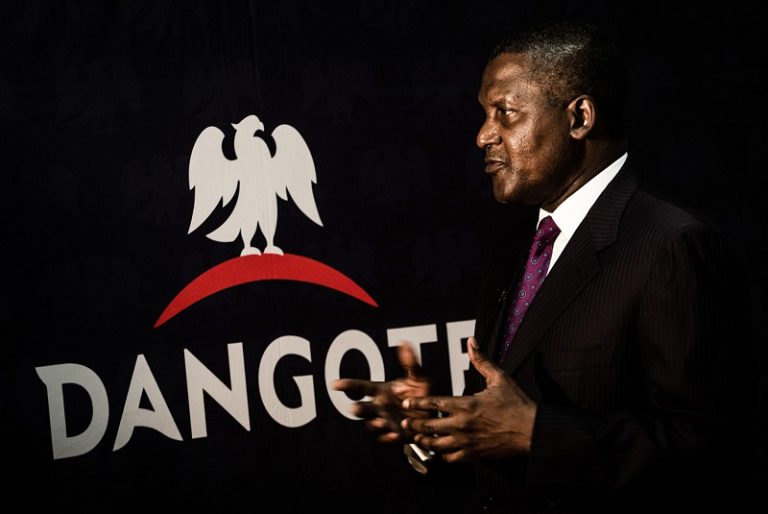
Over the course of nearly four years, Aliko Dangote, President of Dangote Group and Africa’s richest man, has witnessed a substantial growth in his net worth, with an increase of approximately $5.1 billion.


This significant uptick was revealed through an analysis conducted by Nairametrics, utilizing data from the Forbes Real-Time Billionaire Index.


Dangote’s net worth has jumped by 61.45% from 2020 to 2024. In 2020, his valuation was $8.3 billion, and as of May 9, 2024, it had soared to $13.5 billion.


Taking a closer look at the economic landscape, the exchange rate between the naira and the dollar has experienced fluctuations during this time frame.


In 2020, the exchange rate averaged around N380.2/$, with fluctuations hitting an all-time low of N361.2/$ as of January 16, 2020. These currency dynamics have undoubtedly played a role in shaping the financial landscape for Dangote and other investors during this period.


A foray into the progression of Dangote’s net worth over the past four years reveals a mix of growth and decline. For instance, in 2020, he began the year with a net worth of $8.3 billion, and by 2021, it had notably increased to $11.5 billion, indicating a 38.5% increase. Throughout this period, the naira fluctuated but remained relatively stable around N381/$.


Optics

In 2022, Aliko Dangote’s net worth soared to $14 billion, marking a substantial 21.7% increase compared to the previous year. By 2023, his wealth had climbed, reaching an impressive $14.2 billion. However, this upward trajectory faced a significant challenge as economic dynamics shifted.


In 2022, the Nigerian Naira experienced a significant depreciation, crossing over to N448/$. By 2023, the free float of the Naira led to a staggering 68% loss in its value, a profound downturn attributed to the implementation of the foreign exchange unification policy, as reported by Nairalytics.


By January 2024, the official foreign exchange rate has surged to N1455.59/$, marking a substantial depreciation from the previous rate of N464.67/$ in May 2023. This rapid devaluation took its toll on Dangote’s wealth, causing it to drop to $13.5 billion, a notable 5.6% decline. A significant portion of Dangote’s wealth is denominated in dollars.


The majority of Dangote’s net worth is tied to his conglomerate, particularly his 85% ownership of publicly-traded Dangote Cement. With an annual production capacity of 48.6 million metric tons and operations spanning 10 African countries, Dangote Cement stands as a cornerstone of his wealth.


What you should know

Despite Nigeria’s staggering 33.2% inflation rate in March 2024, business magnates like Dangote faced intense pressures on consumer purchasing power and operational costs. However, amidst these challenges, Dangote’s companies have demonstrated remarkable resilience.


In the first quarter of 2024, Dangote Cement emerged as Nigeria’s most capitalized firm, boasting a valuation of N10 trillion.


Dangote Cement Plc experienced an extraordinary surge in its share price, skyrocketing by 114.7% during the quarter. From N319.90 at the beginning of the quarter, the share price surged to N686.70, reflecting investor confidence and optimism in the company’s prospects.


Furthermore, the group’s market capitalization witnessed a staggering appreciation, climbing from N5.45 trillion to N11.70 trillion within the same period, marking a remarkable increase of N6.25 trillion.


Dangote Cement’s dominance in the Nigerian Stock Exchange (NGX) also witnessed a notable uptick, with its market share soaring from 13.32% to 19.79% by the quarter’s end.


.

Crypto P2P: CBN’s policies opened doors for manipulators -Experts

0

Experts and stakeholders in the blockchain industry have blamed the ongoing events around crypto trading in Nigeria on the policies and actions of the Central Bank of Nigeria (CBN), which tends to distance the regulator from the market.


According to them, the stance of the banking regulator could create a Pandora’s box of challenges that could open doors for bad actors.


They claim the ban may now allow those bad actors who were involved in currency manipulation through crypto trading to even inflict more damage on the economy.


The activities of the bad actors is believed to be denting the image of several legitimate players in the industry.


This comes as concerns mount over plans by the government to ban peer-to-peer (P2P) crypto trading in the country. Although some experts believe that banning P2P may not be feasible as people can exchange money under any guise, players in the industry are concerned that an outright ban would affect several platforms built to facilitate legitimate transactions.


Speaking on the current developments in the industry, the Co-founder of Convexity, a blockchain solutions company, Adedeji Owonibi, said the CBN under the former Governor, Godwin Emefiele, created the P2P market when he shut out banks from crypto transactions.


“The former CBN Governor sent everybody away to P2P because people could use the banking rates. P2P is a creation of the central bank and directly so because as a matter of fact if they had not stopped it, people would have been trading within different cryptocurrency exchanges that are interacting with the banking system. This opened the doors for all kinds of people in the P2P market.


“Now, we have a lot of bad actors that are giving everybody a bad name. The industry players operating legitimately will need to expose the bad actors and let the government know them,” Owonibi said.


Failure to regulate

Owonibi’s thoughts aligned with that of the President of Stakeholders in Blockchain Association of Nigeria (SIBAN), Obinna Iwuno, who argued that if the CBN had regulated the industry, there would have been no rise in P2P because everybody would have been trading through regulated agencies and exchanges.


According to him, with accusing fingers pointed at P2P as sabotaging the economy, there might be more troubles for the industry, except the government sees the need to regulate it.


News continues after this ad


“What we are seeing currently is not the action of our industry, but because certain things have been made to look as though this is what our industry represents.


“Accusing fingers are being pointed at us when we are not guilty and it is one that we have to deal with because if we don’t deal with it, it has the possibility of spreading even further than it is now and hurting the industry more than it is already,” he said.


P2P and KYC

For the founder of Blockchain Nigeria User Group, Mr. Chuta Chimezie, the major issue in the blockchain industry is CBN’s inability to look into what the players are doing. He believes the exchanges handling P2P transactions are doing adequate KYC that could help the regulator in regulating the industry.


“Every exchange that I know that does p2p transaction does 100% KYC and they comply maximally to all the standards that the financial reporting standards outline for them to operate. But the problem here is that the industry is still like a ghost to the central bank.


“So, because they are not interfacing with that industry, they don’t even know the effort the people are putting in place. How will the CBN know if they don’t allow them to come under their regulation?


“These guys are dealing with financial services. They are dealing with financial instruments, so bring them into the regulatory environment, make them your friends, make them part of the financial system, and it will be easy for you to know who is doing what,” he said.


Banning P2P

On plans to ban crypto P2P trading in Nigeria, Chimezie said the P2P market in Nigeria has now grown to become an extension of the forex black market. According to him, an outright ban would not help the country because people would always find ways around it by leveraging technology.


But he agreed that there has to be an intervention from the government to save the nation’s currency.


“First of all, we are all Nigerians before being traders and the spirit of patriotism will drive us to agree that no responsible government will fold its hands and allow its national currency to be determined by the agreed level of traders in any platform.


“So, we agree that something needs to be done about that. We agree that there should be regulation and everyone who is involved in issuing, transmitting, or driving any aspect of digital assets should come into a regulatory environment.


“But it doesn’t have to be an outright ban because we’re dealing with a different kind of asset class because when you outrightly ban it, people will find a way to transact it and there’s nothing you can do about it,” he said.


The backstory

Recently, Nigeria’s National Security Adviser (NSA) classified cryptocurrency trading as a national security issue. Following this, the Central Bank of Nigeria (CBN) directed four fintech startups operating in the country—Opay, Moniepoint, Paga, and Palmpay—to block the accounts of customers engaging in cryptocurrency transactions and to report those transactions to law enforcement agencies.


Earlier in February this year, crypto trading platform, Binance, had to disable its peer-to-peer feature for Nigerian users as it came under the searchlight of the Nigerian government over allegations of currency manipulation and money laundering.


Meanwhile, on Monday, the Nigerian Securities and Exchange Commission (SEC), during a virtual meeting with the Blockchain Industry Coordinating Committee of Nigeria (BICCoN), called for a new cryptocurrency measure that aims to remove the naira as a currency pair from cryptocurrency peer-to-peer platforms.


The Acting Director General of the SEC, Dr. Emomotimi Agama, who made the call, emphasized the need to clean up the virtual assets space from illegal trading activities and safeguard the integrity of the Nigerian capital market. Agama noted that the recent surge in peer-to-peer (P2P) crypto trading has reportedly impacted the Naira’s exchange rate, prompting the SEC to consider delisting the Naira from P2P platforms to curb market manipulation.


Zenith Bank appoints Adamu Lawani and Louis Odom as executive directors

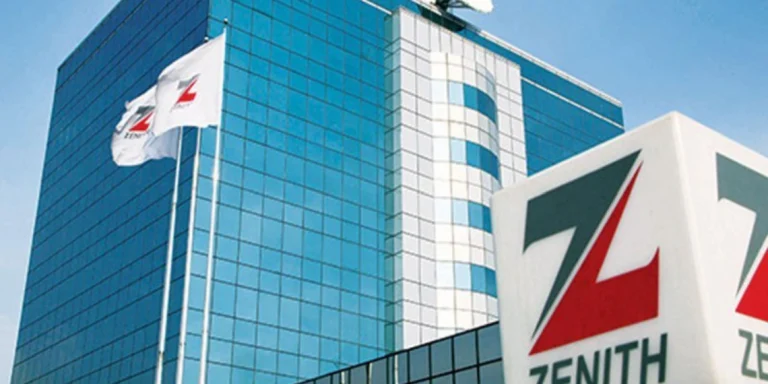
The Board of Directors of Zenith Bank Plc has announced the appointments of Mr. Adamu Saliu Lawani and Mr. Louis Odom as Executive Directors ofthe Bank.


Both appointments are consistent with the Bank’s tradition and succession strategy of grooming leaders from within.


Also, the Board approved the appointment of Ms. Pamela Yough as a Non-Executive Director of the Bank.


This was contained in the company’s notice to the Nigerian Exchange Limited (NGX) seen by Nairametrics.


According to the statement, these appointments have been approved by the Central Bank of Nigeria (CBN).


Profile of Adamu Saliu Lawani

According to the statement signed by the Company Secretary, Micheal Otu, Mr. Adamu Saliu Lawani is a seasoned Chartered Accountant with over three decades of cognate banking industry experience.


An alumnus of Auchi Polytechnic, Nigeria, he graduated with a Higher National Diploma in Accounting, achieving distinction.


He holds an MBA from both the University of Lagos, Nigeria, and The Business School in the Netherlands.


Mr. Lawani joined Zenith Bank in 1996 and has experience in operations, credit, and marketing.


He has held leadership positions in various groups such as Corporate Banking, Conglomerate, Consumer Credit Department, Export and Trade Finance Department, and Agriculture Finance Department, among others. His contributions have significantly enhanced the bank’s growth and profitability.


Committed to continuous professional development, he has participated in Executive Education programmes at prestigious institutions, including the London Business School, The Wharton School, the University of Pennsylvania, INSEAD Business School, France, and Lagos Business School.


He is a Fellow of the Institute of Chartered Accountants of Nigeria (ICAN), a Fellow of the Institute of Credit Administration, a Fellow of the Nigerian Institute of Management, a Fellow of the Chartered Institute of Strategic Management, an Honorary Senior Member of the Chartered Institute of Bankers of Nigeria, and an Associate Member of the Chartered Institute of Taxation of Nigeria.


Profile of Louis Odom

Mr. Louis Odom is a graduate of Accountancy from the Abia State University and has an MBA from the University of Liverpool, United Kingdom, and an M.Phil (Management) from Nile University of Nigeria.


He joined Zenith Bank in January 1997 and has worked in River/Bayelsa Zones and is currently in Abuja, FCT, where he serves as the General Manager in charge of the Abuja and Northern Zones and has contributed to the growth and profitability of the Bank. Prior to joining Zenith Bank, he had worked at Diamond Bank and is well-versed in operations, credit, and marketing.


He has attended several Executive Education programmes both within and outside the country, including London Business School, Wharton School of the University of Pennsylvania, Harvard Business School, and Lagos Business School.


He is a Fellow of the Chartered Institute of Taxation of Nigeria, and an Honorary Senior Member of the Chartered Institute of Bankers, Nigeria.


Profile of Pamela Yough

Pamela Yough is a Banker, Financial Consultant, and Investment Advisor with over 35 years of experience in the Financial Sector. Her experience covers Corporate and Investment Banking, Treasury, Correspondent Banking, Investor Relations and Wealth Management.


She was the Managing Director/ Chief Executive Officer of Zenith Bank (UK) Limited, a position she held from June 2017 to October 2021.


She joined Zenith Bank Plc in 1999 where she headed various departments in the institution and rose to the level of General Manager. and Group Head in charge of Multilateral, Conglomerates, Private Banking, and Head of Investor Relations.