


Home Blog Page 288

Copia’s strategies to boost sales

0

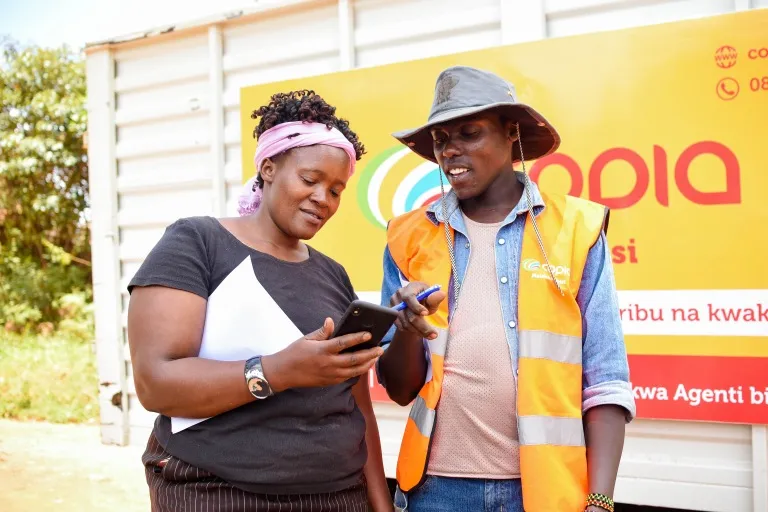
Kenyan eCommerce startup Copia Global is launching a strategic initiative to boost sales through its mobile app, leveraging the widespread ownership of smartphones among Kenyans, with approximately 63.9 million registered mobile connections as of January 2023. Founded in 2013 by Tracey Turner and Jonathan Lewis, Copia employs a network of 50,000 agents for order pickup and delivery, having secured $107 million in funding since its inception.

With a customer base of two million, predominantly engaging through in-person, USSD, or phone orders for electronics, packaged foods, and household items, Copia aims to shift its offline users to the mobile app through this campaign.

Building on a successful past effort that increased app usage from 5% to 80%, the company plans to replicate this success by extending smartphone financing options to its customers, enabling them to purchase smartphones and higher-value items through convenient installment plans.

Notably, Copia has previously directed attention to smartphone usage among its agents, illustrating a proactive approach to technological integration.

In a recent development, the company announced the suspension of its operations in Uganda in April 2023, redirecting its focus on strengthening operations within Kenya.
This startup from South Africa aims to enable users to convert cryptocurrency into cash at ATMs

0

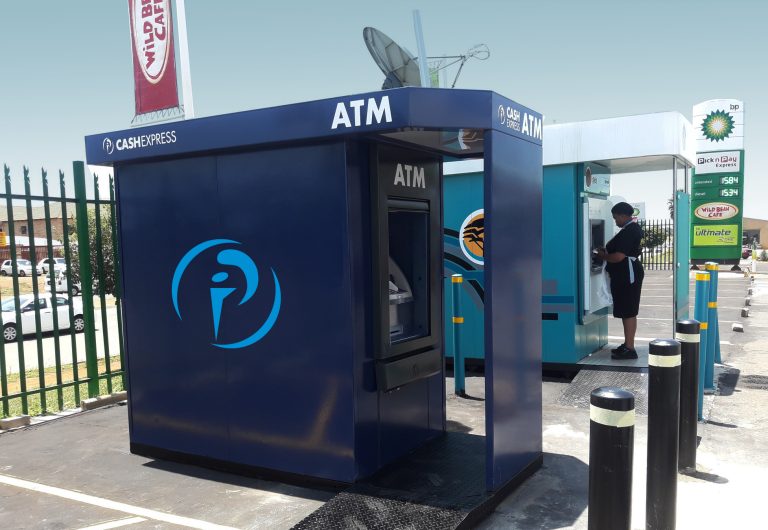
Paycorp, a South African fintech company, has launched CryptoExpress, an innovative app enabling users to withdraw their cryptocurrency as South African rand from approximately 3,000 ATMs nationwide.

This seamless integration with various cryptocurrency wallets, operating under the Paycorp subsidiary ATM Solutions, offers users a secure and encrypted experience, including a feature to locate nearby Cash Express ATMs.

The CryptoExpress app, available on iOS and Android since its testing phase in April 2023, supports the cashing out of bitcoin, ether, and stablecoins like USD coin and tether.

To convert cryptocurrency to cash, users authorize the transaction in their wallet, wait for CryptoExpress to provide a withdrawal voucher PIN, and then proceed to any Cash Express ATM, entering their mobile number and PIN for South African Rand withdrawal.

Paycorp Group CEO Steven Kark emphasizes the accessibility of these ATMs, strategically placed in urban and rural areas, at forecourts, informal and formal retailers, and hospitality locations.

This contrasts with the limited presence of Bitcoin ATMs, primarily located in major cities rather than spread across diverse regions.

The introduction of CryptoExpress by Paycorp marks a transformative moment for the South African cryptocurrency market, providing a practical and widespread means of cash withdrawal.

This move positions Paycorp as a comprehensive financial services provider, bridging traditional and emerging payment systems.

The surge in cryptocurrency adoption across Africa, particularly in Kenya, South Africa, and Nigeria, aligns with recent trends.

A Chainalysis report notes that regulation has spurred increased exchange activity in Sub-Saharan Africa, with South Africa leading the way in creating favorable trading environments.

Notably, regulatory steps taken by South Africa, such as adding clauses to advertising practices and requiring licenses for cryptocurrency financial companies, contribute to legal clarity, combat illicit activities, and facilitate trading.

South Africa’s proactive regulatory approach is showcased by partnerships with 47 other nations to combat tax evasion by NFT and other cryptocurrency traders.

This collaborative effort underscores the nation’s commitment to transparency and regulation in the evolving landscape of digital assets.

Paystack reduces its workforce to streamline operations within Africa

0

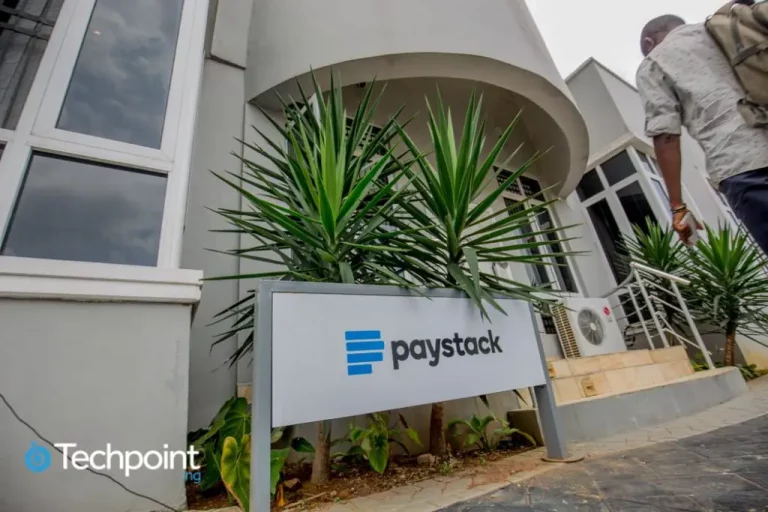
Paystack is streamlining its workforce to focus more on its activities within Africa.

The fintech, with a staff range of 51 to 200 according to its LinkedIn profile, is letting go of 33 employees in Europe and the UAE.

Those affected will receive comprehensive severance packages, including four months’ salary, accelerated equity vesting, and three months of health insurance.

Founded in 2015 by Shola Akinlade and Ezra Olubi, Paystack aimed to address the challenges of online payment transactions in Africa.

Recently acquired by Stripe for over $200 million, the company continues to operate independently.

Akinlade explained a shift in their hiring philosophy, emphasizing placing team members within the markets they serve.

While Paystack deepens its operations in Africa, it operates in Nigeria, Ghana, South Africa, and Kenya.

Recent expansions into Egypt and Rwanda, along with partnerships for financial services in Côte d’Ivoire, demonstrate the company’s commitment to refining its platform and providing a seamless payment experience in various markets.

On November 9, 2023, Paystack introduced a direct debit product for Nigerian businesses, allowing them to charge customers’ bank accounts directly.

Additionally, the October 2023 launch of Paystack Virtual Terminal enables physical stores to accept and confirm bank transfers independently, streamlining payment processes.


The outstanding USSD debt owed by banks to telecommunications companies has reached N200 billion

0

Telecommunication firms are currently owed over N200bn by banks for Unstructured Supplementary Service Data (USSD) services, a debt that has escalated by approximately 66.67% from the N120bn earlier in the year.

Despite ongoing discussions between banks and telcos, the slow progress has prompted the Association of Licensed Telecommunications Operators of Nigeria to emphasize that the debt will not be forgiven.

This revelation, disclosed during an industry interactive session with the Nigerian Communications Commission, underscores the negative impact on the financial technology economy.

The USSD debt issue, lingering since 2019, has led to disconnection notices and threats of legal action.

Additionally, telcos highlighted the burden of 52 different taxes and levies, hindering their growth and impacting the quality of service.

The new Executive Vice Chairman urged telcos to enhance service quality and innovation amid these challenges.

Nigerians are set to experience a streamlined passport processing system soon, according to Tunji-ojo

To alleviate congestion at existing centers and streamline passport services globally, Minister of Interior, Olubunmi Tunji-Ojo, assures the establishment of new processing and collection centers, especially catering to Nigerians abroad.

The commitment was made during the 6th Nigeria Diaspora Investment Summit in Abuja.

Tunji-Ojo pledges a seamless passport process for Nigerians, both at home and abroad, with plans to implement a comprehensive biometric immigration application system by February 2024.

He emphasizes the importance of transparency, urging the public to report any unethical behavior within the Ministry to enhance service efficiency.

The Minister anticipates positive changes before February 2024 and emphasizes the encouragement of Diaspora investment for national development.


LP has no intentions of merging with PDP

0

On Thursday, the Labour Party clarified that it currently has no intentions of merging with the Peoples Democratic Party to challenge the ruling All Progressives Congress in the upcoming 2027 general elections.

The statement came in response to Atiku Abubakar’s suggestion on Tuesday, where he proposed opposition parties unite to defeat the APC in the next presidential poll.

LP spokesperson Obiora Ifoh emphasized that the party has not engaged in any discussions regarding a potential merger.

Ifoh highlighted that Atiku’s call was merely a proposal, emphasizing the importance of fostering democracy in Nigeria.

Notably, the APC criticized Atiku’s merger plan, asserting that he was struggling to come to terms with reality following his loss in the presidential poll.

The National Publicity Secretary of APC, Felix Morka, suggested that the PDP should prioritize resolving its internal party conflicts.

In October 2023, Nigeria experienced a surge in its inflation rate, reaching 27.33%

0

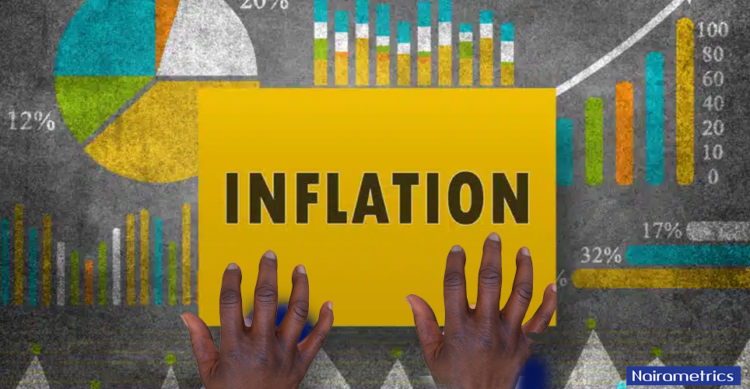
Nigeria witnessed a surge in headline inflation, reaching 27.33% in October 2023, up from September’s 26.72%. This marks a 0.61% point increase month-on-month and a 6.24% point rise compared to October 2022. Monthly inflation growth slowed by 0.37% in October.

Food inflation remains a key driver, rising by 1.52% year-on-year, showing a 7.80% point increase from October 2022. The monthly rate in October 2023 was 1.91%, 0.54% lower than September.

Notably, Kogi state had the highest food prices (41.74%), while Borno (24.41%) experienced the slowest rise.

Core inflation, excluding volatile items, rose to 22.58% year-on-year in October 2023, a 5.12% increase from October 2022.

On a monthly basis, core inflation decreased to 1.39%, down by 0.83% from September.

Urban inflation surged to 29.29% year-on-year in October 2023, a 7.66% point increase from October 2022.

The monthly rate was 1.81%, a 0.43% decrease from September. In rural areas, year-on-year inflation rose to 25.58%, up by 5.01% from October 2022, with a monthly rate of 1.67%, indicating a 0.29% decrease from September.


Nigeria is set to import 2.1 million metric tons of rice and emerge as the leading global buyer by 2024, according to the USDA

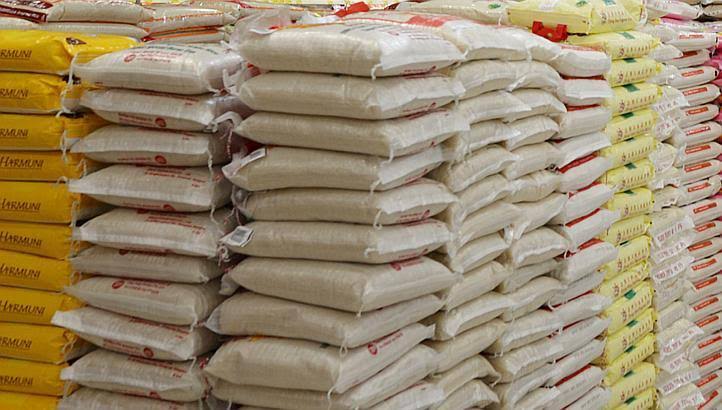
In 2024, Nigeria is anticipated to become the leading global rice importer, importing an estimated 2.1 million metric tons, as per the latest Rice Outlook report from the U.S. Department of Agriculture’s Economic Research Service.

The report indicates a projected global rice trade of 52.85 million tons by 2024, with increased exports from Brazil and South Korea and heightened imports for Burkina Faso, Indonesia, and Nigeria. Weaker rice production is forecasted in Nigeria and seven other countries due to various factors.

Despite a decline in global rice production to 517.8 million tons, Nigeria is expected to contribute around 5.23 million tons.

The report highlights that Nigeria’s import forecast for rice in 2024 has been raised by 100,000 metric tons, attributing it to strong demand prompted by high domestic rice prices and quality concerns.

Notably, Nigeria’s rice importation policies have undergone a shift, as the Central Bank recently lifted foreign exchange restrictions imposed eight years ago, potentially leading to increased rice imports.

Mixed reactions surround this decision, with some farmers supporting it, citing a break in the monopoly held by local millers.

While data from the Thai Rice Exporters Association indicated a substantial decrease in rice imports in the first seven months of 2022 compared to 2021, there are concerns about the possibility of foreign rice being smuggled into the country.

The Nigeria Customs Service recently reported seizing 13 trailer loads of foreign parboiled rice and other items, indicating potential challenges in controlling unauthorized rice imports.

Saudi Arabia asserts that Nigerians who were deported provided inaccurate information, leading to the cancellation of their visas

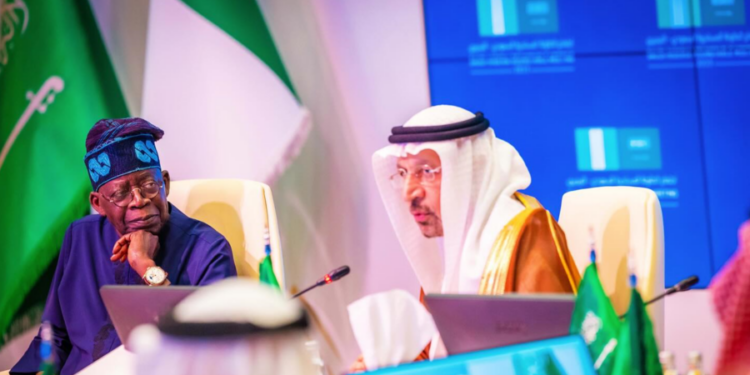
The Royal Embassy of Saudi Arabia has provided clarification regarding the visa cancellation and deportation of several Nigerian citizens upon their arrival in the Kingdom.

The embassy explained that the visas of 177 Air Peace passengers from Nigeria were revoked in Jeddah due to a violation of entry rules.

In a statement issued by the Saudi Embassy in Abuja on Wednesday, it was asserted that the deported individuals had submitted inaccurate information to obtain a visa category that did not apply to them, a fact discovered upon their arrival.

Emphasizing the importance of adherence to the Kingdom’s rules, the embassy stated, “The Royal Embassy would like to stress the importance of following the procedures and laws enacted by the Kingdom of Saudi Arabia for all visitors.”

The statement further indicated that this scrutiny of documentation applies not only to Nigerian citizens but also to citizens of other countries.

To recap, the Saudi government canceled the visas of 177 passengers from Air Peace on November 13, prompting their return to Nigeria.

While the reasons for visa cancellations were not initially provided by Saudi authorities, the Federal Government initiated an investigation into the matter, urging affected passengers to remain calm.

The probe involves both Nigeria and Saudi Arabia with the aim of resolving the issue.

Reports revealed that upon arrival in Jeddah, the Saudi Immigration authorities informed the passengers that their visas had been canceled, resulting in 177 passengers being repatriated, while 87 were allowed entry.


Nigerian banks, Unity Bank and Providus Bank, explore the possibility of a “Business Combination” agreement

0

Unity Bank, a publicly listed Nigerian bank, is currently in talks with Providus Bank regarding a potential business combination.

According to sources familiar with the matter speaking to Nairametrics, discussions have been ongoing for weeks, although opinions on the progress vary.

Some suggest the talks are in the advanced stages, hinting at uncertainty.

Sources within Providus Bank even suggest an “acquisition” of Unity Bank, adding a more definitive direction to the negotiations. However, formal approval from the central bank is still pending.

Both banks believe a business combination would be mutually beneficial, considering their distinct business models.

Unity Bank, with its extensive reach and balance sheet, contrasts Providus Bank’s modernity, agility, and financial stability.

Despite ongoing discussions, the central bank’s formal endorsement is awaited.

Unity Bank has faced acquisition speculation before and recently reported a loss before tax of N47.9 billion, with negative equity of N190.2 billion, potentially impacting shareholders in a business combination.

In contrast, Providus Bank reported a strong net asset of N45.2 billion in its 2022 audited financial statements.

Unity Bank’s balance sheet is N423.3 billion, while Providus Bank’s is N735.8 billion, with customer deposits of N504 billion compared to Unity Bank’s N434 billion.

As of now, the Nigerian Exchange Group (NGX) hasn’t received official notification of any business combination, and no press release has been published.

Unity Bank’s publicly listed shares closed at N1.07 per share, showing a 9% increase on Wednesday and a remarkable 122% growth over the past year.