Home Blog Page 354

0

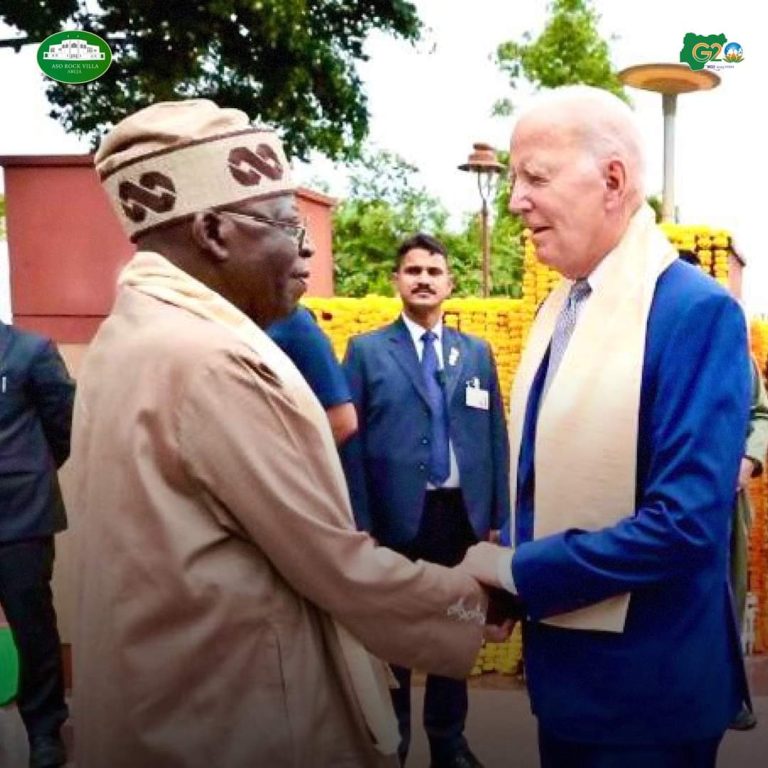
President of the United States of America, Joe Biden, has expressed his profound admiration for President Bola Tinubu’s unwavering commitment to defending and preserving democracy and the rule of law in West Africa.

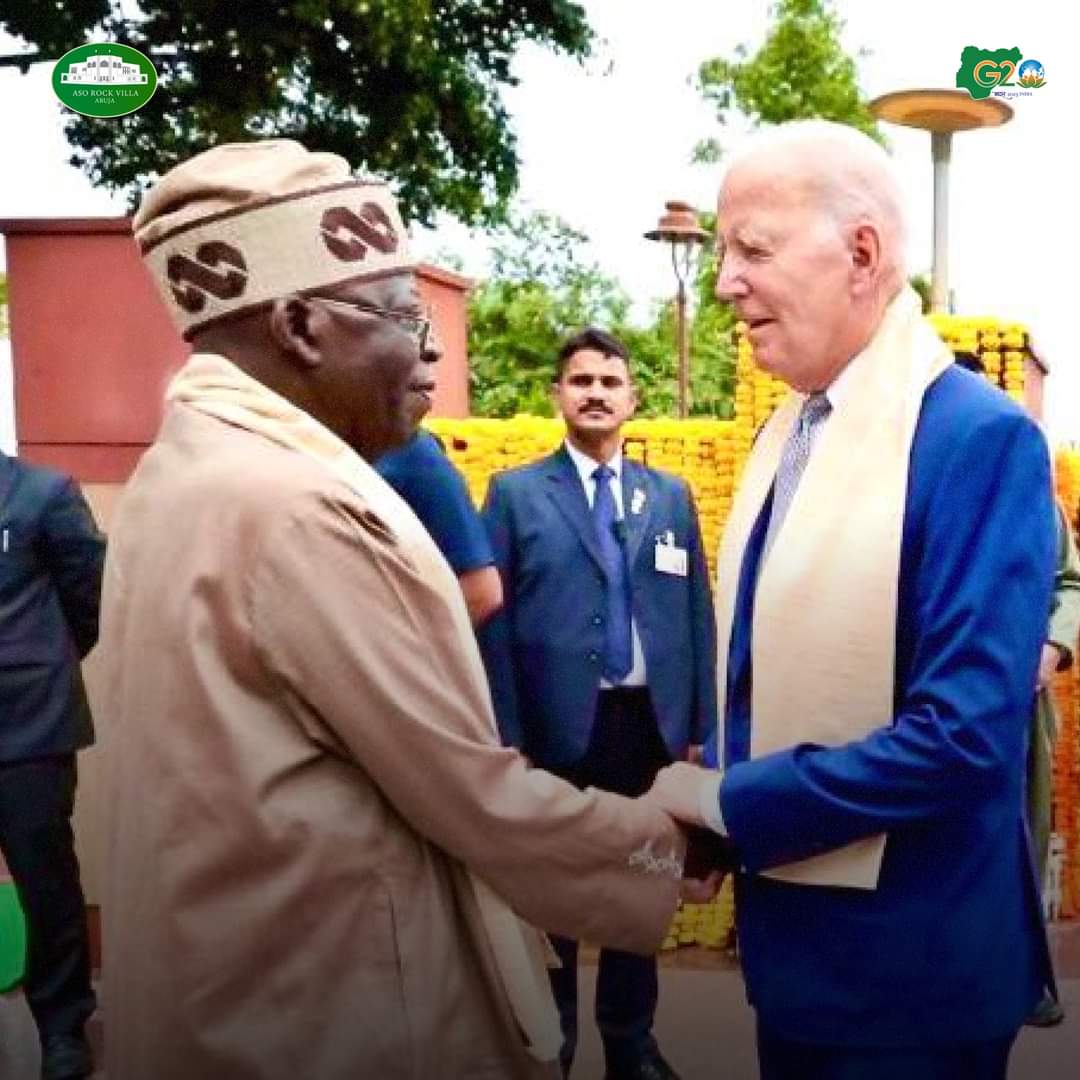
During their meeting on the sidelines of the just-concluded G20 Summit in New Delhi, India, Biden commended Tinubu’s strong leadership as the chair of the Economic Community of West African States (ECOWAS).


He also highlighted the pivotal role he played in maintaining stability and democratic principles in Niger and the broader region. A statement on the White House official website reads: “President Joe Biden met with Nigerian President Bola Tinubu today on the sidelines of the G20 in New Delhi, India to reinforce our enduring commitment to the U.S.-Nigeria relationship and to the longstanding friendship between our two countries and peoples.


“President Biden welcomed the Tinubu Administration’s steps to reform Nigeria’s economy and thanked President Tinubu for his strong leadership as the chair of the Economic Community of West African States to defend and preserve democracy and the rule of law in Niger and the broader region.

“Nigeria’s invitation to the G20 Summit is a recognition of Nigeria’s important global role as Africa’s largest democracy and economy.”

Breaking Barriers: Asakes Soars to Stardom with Unparalleled Excellence

0

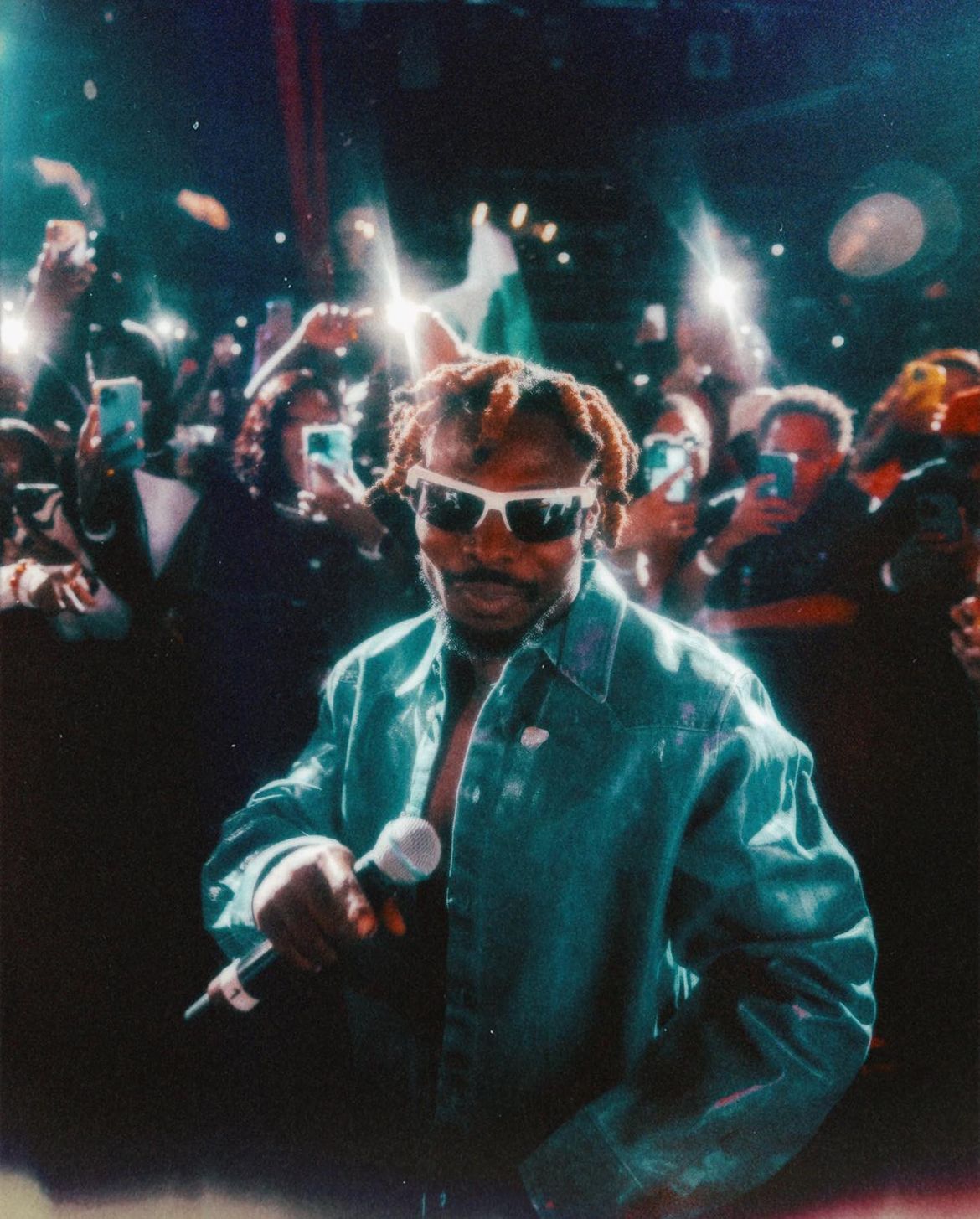
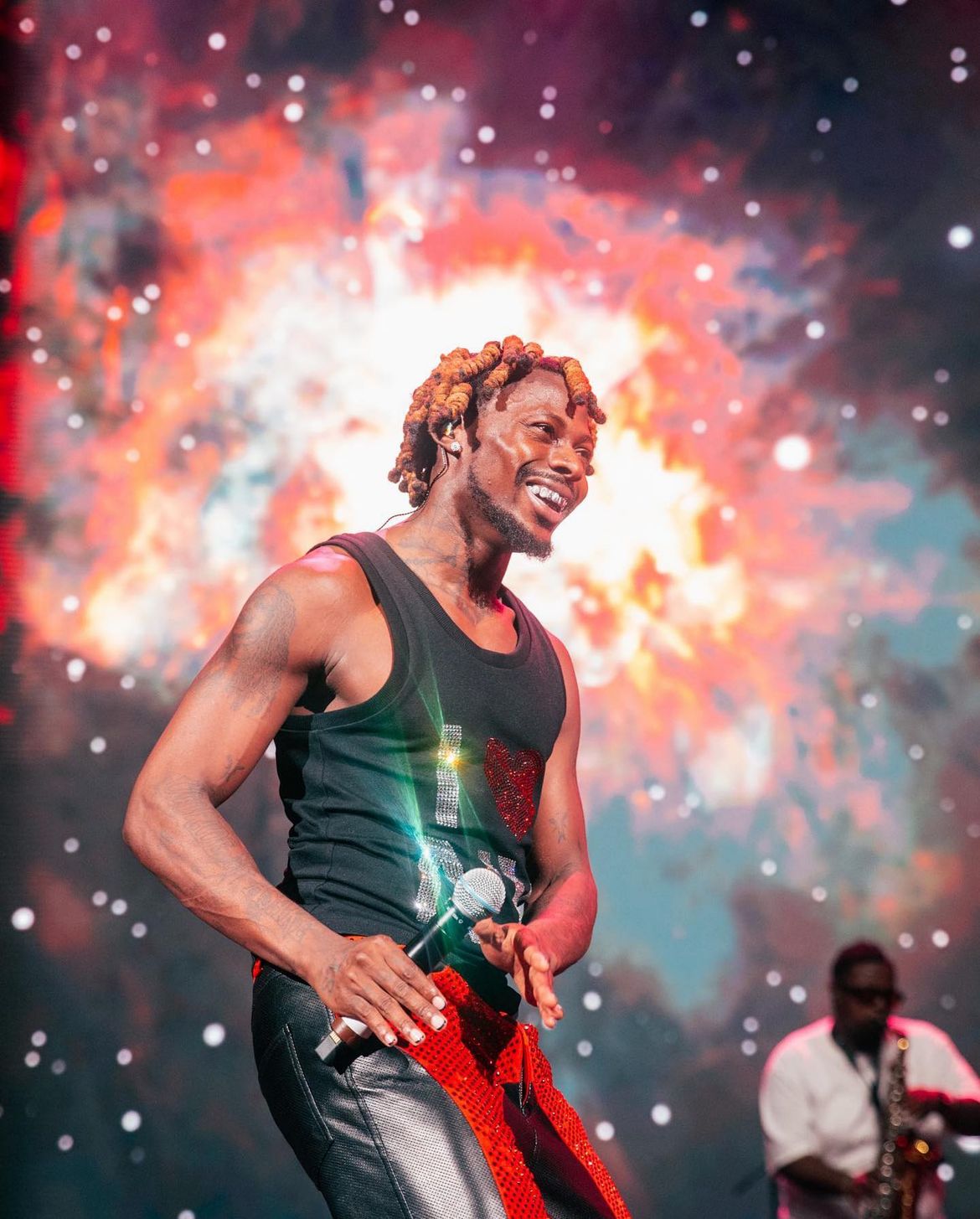
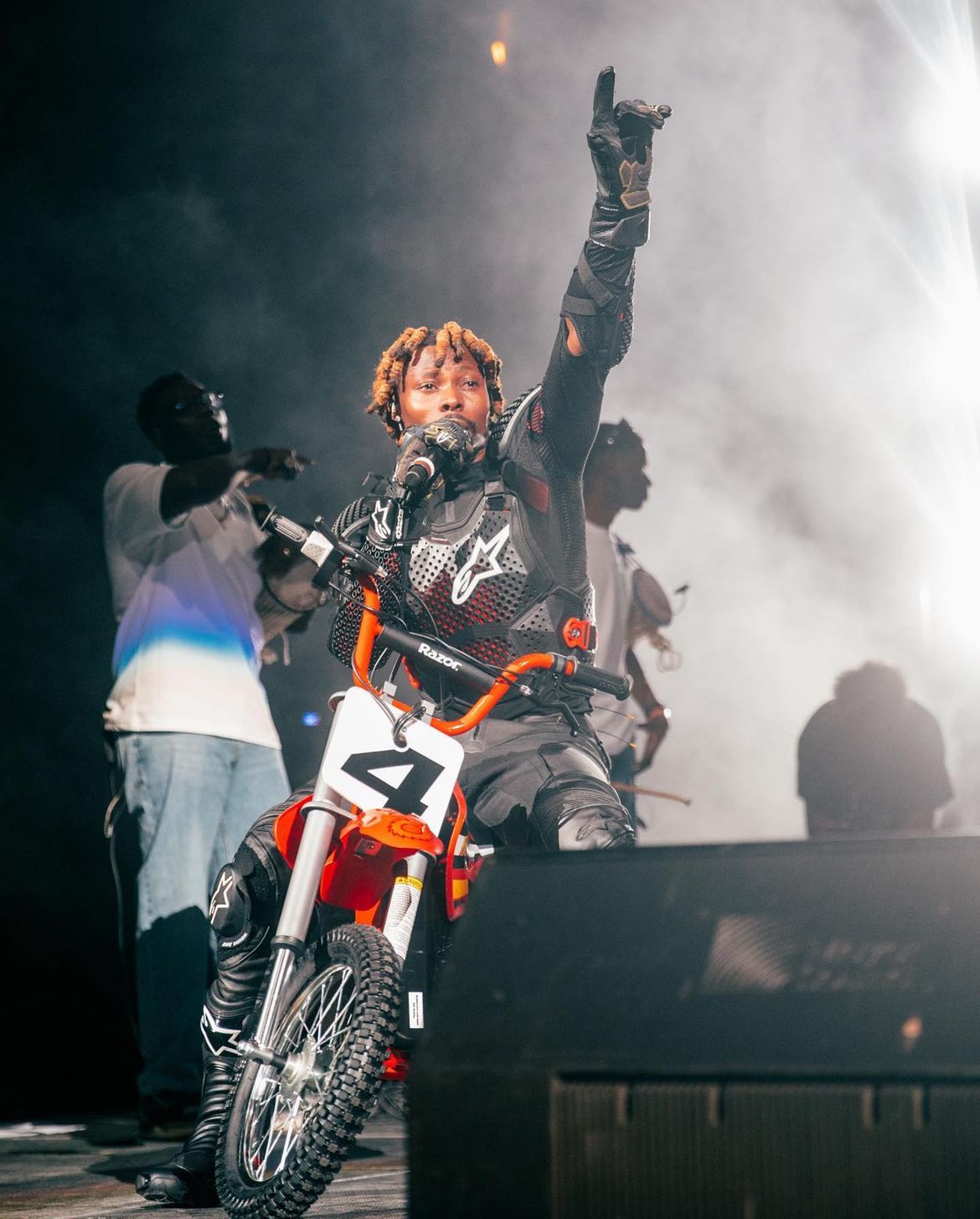
Asake, the sensational Afrobeats artist, has made an indelible mark on the music industry since his debut with YBNL in 2022. In a remarkably short span of just a year and a half, he has achieved a series of groundbreaking milestones:

First and foremost, Asake became the very first African artist to grace the prestigious Billboard Hot 200 chart with his debut album. This remarkable feat not only showcases his immense talent but also highlights the global appeal of his music.

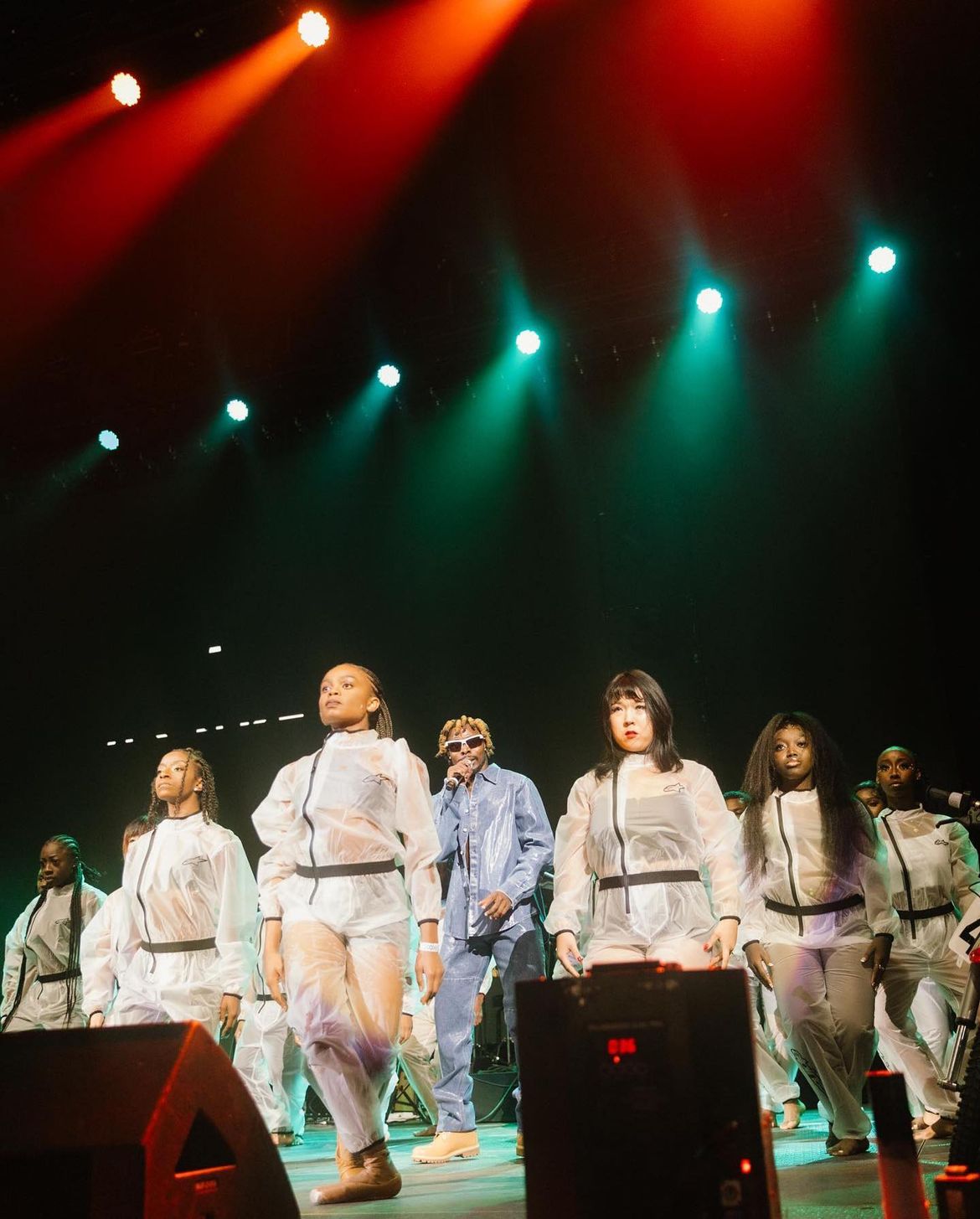
Moreover, Asake has etched his name in history as the first African act to captivate a sold-out crowd at the illustrious Barclays Center, boasting a staggering capacity of 19,000 seats. This unprecedented achievement is a testament to his ability to captivate audiences and solidify his position as a true trailblazer.

In addition to these extraordinary accomplishments, Asake has also attained the distinction of being the first African artist to amass over 6 million monthly listeners on Audiomack. This remarkable milestone further underscores his widespread popularity and the undeniable impact of his music on a global scale.

To further cement his triumphs, Asake has achieved what many can only dream of: becoming the first new-generation Afrobeats/Afrofusion artist to completely sell out the iconic O2 Arena. This monumental achievement not only solidifies his status as a force to be reckoned with but also sets a new standard for success in the industry.

Asake’s meteoric rise to prominence is a testament to his exceptional talent, unwavering dedication, and relentless pursuit of excellence. With each milestone he surpasses, he continues to redefine the boundaries of African music and inspire a new generation of artists.

In conclusion, Asake’s remarkable achievements within such a short period of time have firmly established him as a trailblazer in the Afrobeats genre. His groundbreaking accomplishments on the global stage serve as a testament to his immense talent, unwavering determination, and undeniable impact on the music industry

All Set for K1 De Ultimate Installation As Olori Omo Oba Akile Ijebu

0

*PRESS RELEASE*


*All Set for K1 De Ultimate Installation As Olori Omo Oba Akile Ijebu*

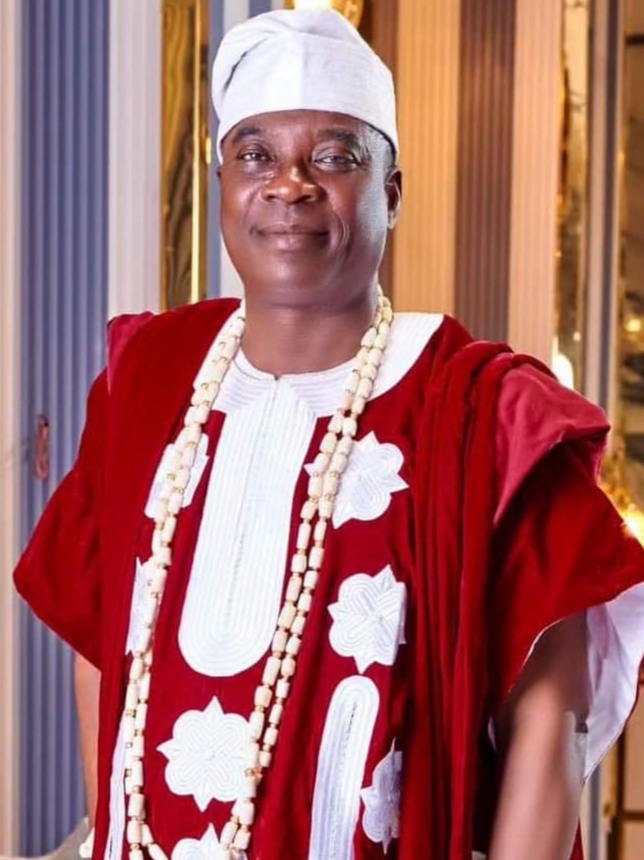
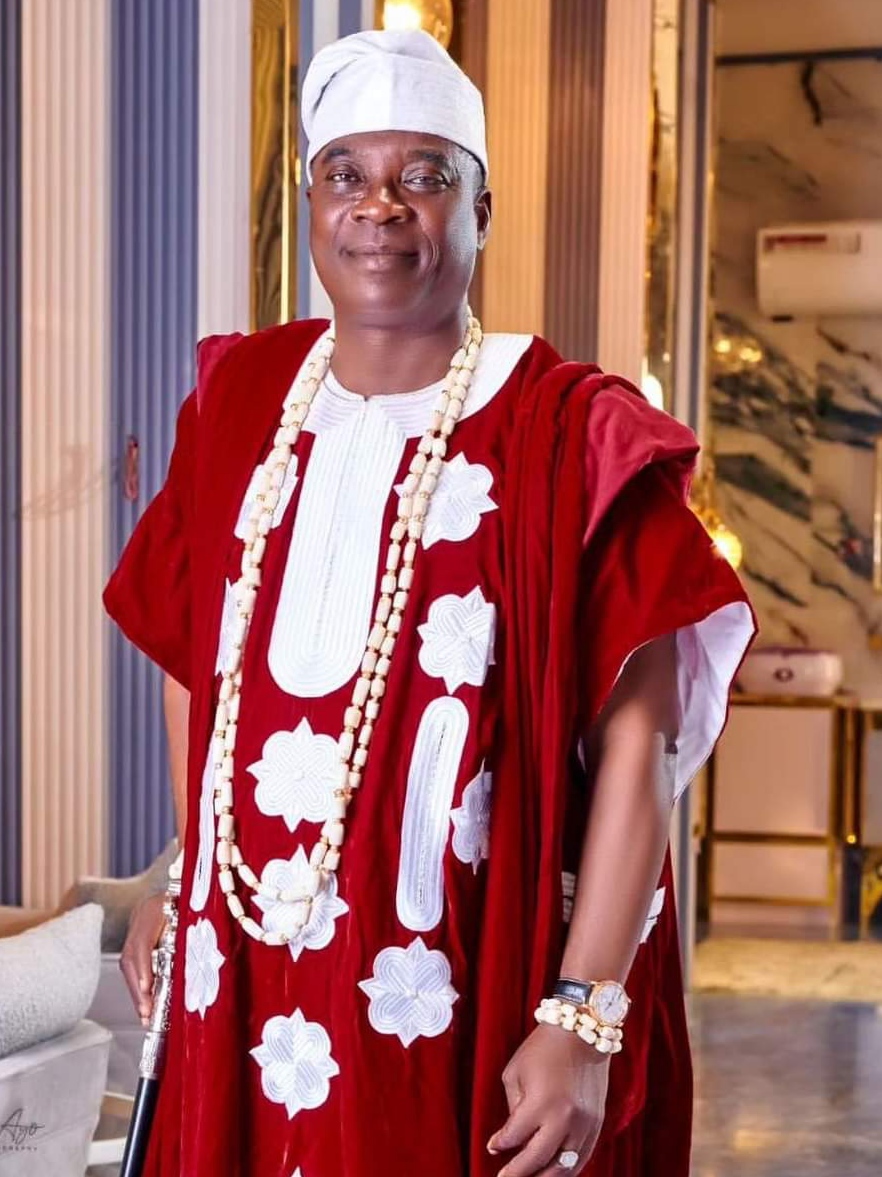
Come 26th September, 2023 the Mayegun of Yorùbá Land and Fuji music legend, Alhaji Wasiu Olasunkanmi Ayinde Marshall shall be installed as OLORI OMO OBA AKILE IJEBU by HRM Ọba (Dr) Sikiru Kayode Adetona (Ogbagba II), the Awujale of Ijebu Land.


The public is hereby informed that the event shall run from Monday, 18th September, 2023 till Tuesday, 26th September, 2023.


The 18th September to 25th September shall be for the traditional rites and installation processes associated with the coveted title. The grand finale shall then be on Tuesday, September 26 at Oba Awujale’s Palace in Ijebu-Ode which shall witness the presence of the presidency, governors, top dignitaries, royal fathers, captains of industry and many other important guests.


To ensure orderliness and forestall stampede of any sort during the ceremony on September 26, the Olori Omo Oba Akile Ijebu has also made provisions at different venues for various guests and the public where top artistes shall be performing, and foods and drinks would be served.


The public are hereby advised to take to travel advisory at the areas where the ceremony shall take place. Further directives on traffic and vehicular movement in and around the event venues shall be communicated in due course.


Maximum enjoyment and security are assured as preparations are in top gear to ensure the installation ceremony becomes a success.


Otunba Sesan Rufai

Chairman, Media Committee

Mastering the Art of Storytelling, Uncovering the Dedication to Craft

0

 Interview with Nollywood Director Kayode Adebayo.

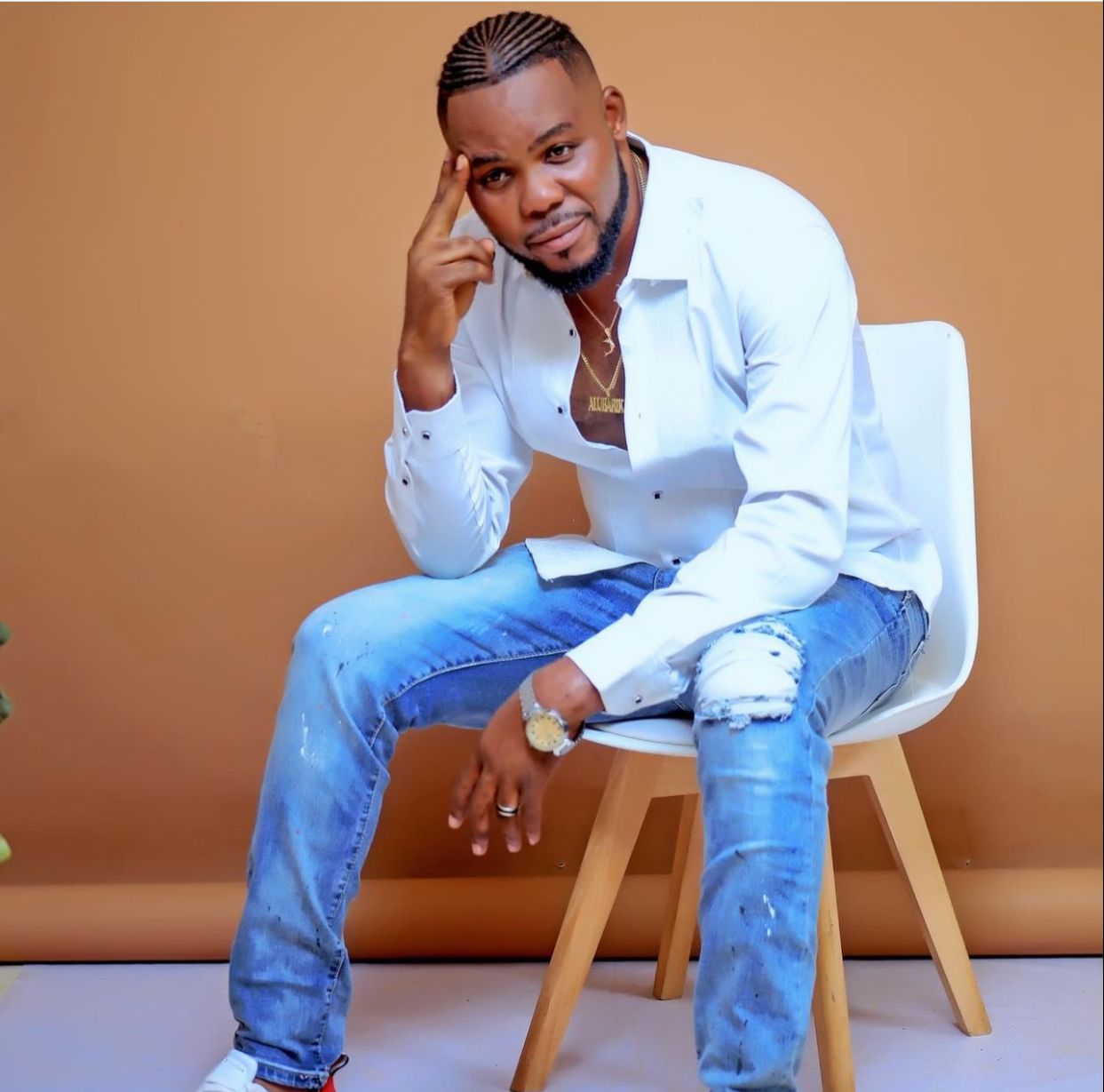
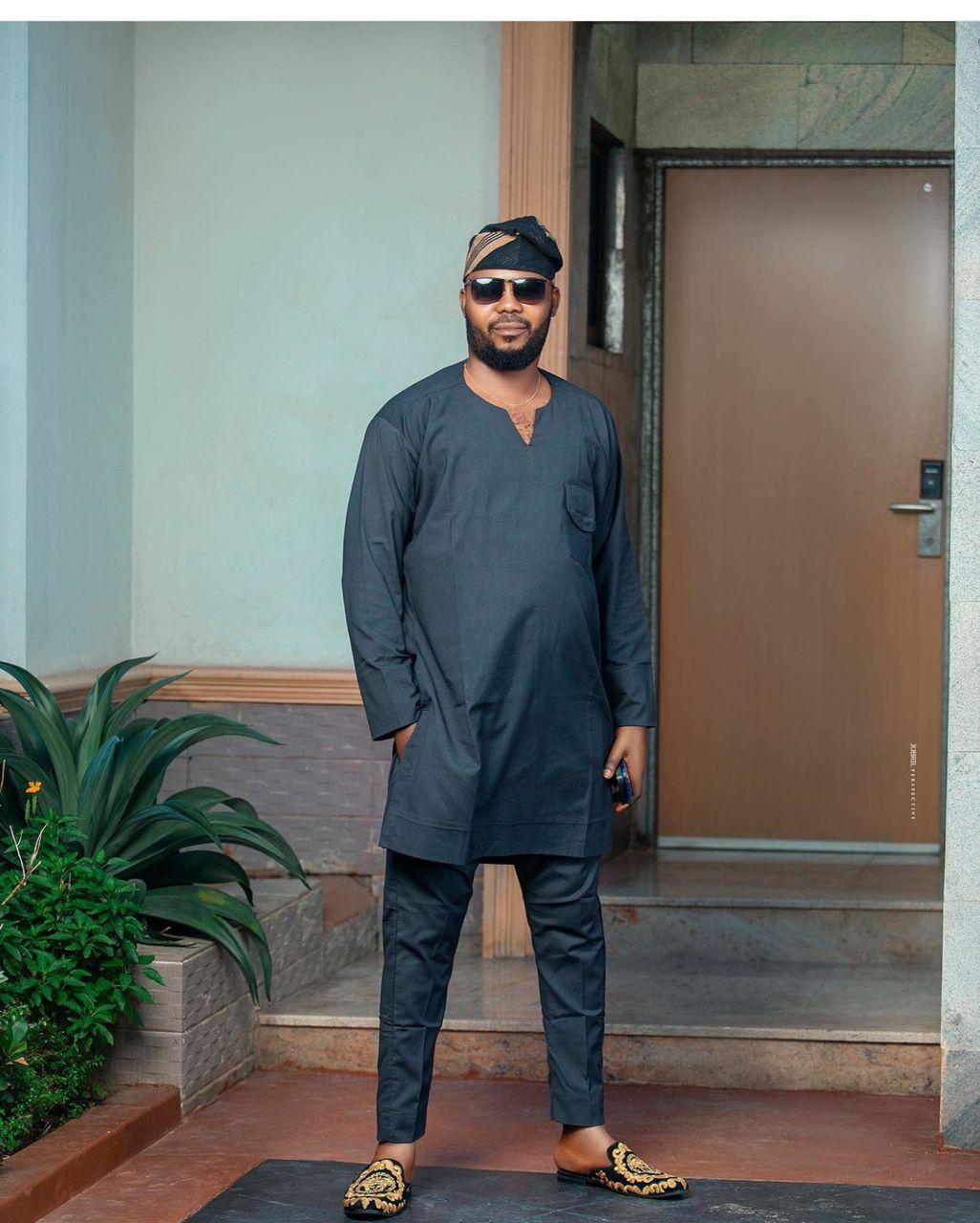
Kayode Adebayo, popularly known as Kay Alubarika, has made a name for himself in the Nollywood industry through his exceptional film productions. In an exclusive interview, he shares his journey and insights as a film director.


When asked about his inspiration to become a film director, Kay Alubarika explains that his desire to tell stories and express himself in a way that people can easily understand motivated him to pursue this career path.

One of the biggest challenges he faces when directing films is gaining acceptance for his craft. Kay Alubarika believes that before people can appreciate his work, they need to accept it. Additionally, he mentions the financial aspect of filmmaking as another hurdle to overcome in order to achieve his vision.

What sets Kay Alubarika’s films apart from others in the genre is his ability to explain the story in a way that resonates with everyone. He emphasizes the importance of understanding the script before filming a scene, as it allows him to execute it effectively and anticipate the desired result.

When asked about his favorite scene to shoot, Kay Alubarika states that every scene is his favorite because each one presents its own unique challenges, pushing him to grow as a director.

Themes and messages in his films vary depending on what he wants to convey at a particular time. Kay Alubarika believes that every meaningful scene should be included in a film, as no scene is meant to be omitted.

Coming up with the story for a film is a process that Kay Alubarika approaches as long as it holds meaning. He believes in seeking knowledge, being open to learning, and being a good listener.

For aspiring film directors, Kay Alubarika advises focusing on education, seeking knowledge, and being ready to learn. He emphasizes the importance of being a good listener and constantly honing one’s skills.

Looking ahead to the new year, Kay Alubarika has an exciting project in the works. While he keeps the details under wraps, he reveals that his new cinema movie will be unveiled soon. In the meantime, his TV series titled “OPA ASE” can be found on YouTube and is also showing on Startimes.


Kay Alubarika’s passion for storytelling and dedication to his craft continue to propel him forward as a prominent Nollywood director. With his unique approach and commitment to delivering meaningful films, he is sure to leave a lasting impact on the industry.

NNPCL requires a thorough cleaning to bolster its competitiveness among its industry peers

0

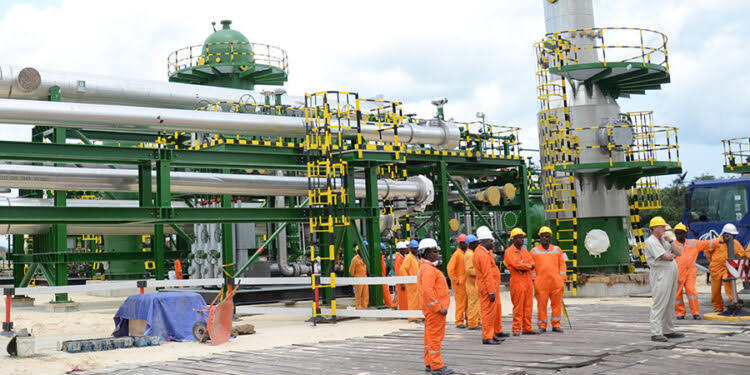
In a period when oil producers are enjoying financial abundance, Nigerians are grappling with challenging economic conditions. This underscores the need for a comprehensive examination of its national oil company, which has failed to maximize the value of the country’s oil and gas resources for its citizens.

President Bola Tinubu, during his inauguration on May 29, emphasized the necessity for a thorough overhaul of monetary policy. However, when we compare the performance of other national oil companies with the Nigerian National Petroleum Company Limited (NNPCL), it becomes evident that this “overhaul” should extend beyond the Central Bank of Nigeria.

Last year, Saudi Aramco declared an unprecedented profit of $160 billion, setting a record for publicly traded firms, while the NNPCL struggled to remit sufficient proceeds from oil sales to support the government’s budget.

Nigeria, Africa’s largest oil producer with 37 billion barrels in reserves, only produced an average of 1.5 million barrels per day last year. In contrast, Saudi Arabia, with 258 billion barrels in reserves, averaged over 11.5 million barrels per day in 2022.

Nigeria’s African counterparts, Angola and Algeria, with reserves of 9 billion and 12 billion barrels respectively, lag behind with an average daily production of 1.1 million barrels. At Nigeria’s current production rate, its reserves could last for about 55 years, whereas Saudi Arabia has approximately 70 years of reserves at a rate five times that of Nigeria.

This underscores that Nigeria is not extracting sufficient value from its oil resources at a time when revenue is crucial to stabilize declining income and support a weakened currency. In the second quarter of this year, Saudi Aramco paid cash dividends totaling $29.38 billion, with a substantial portion going to the government. Meanwhile, NNPCL’s finances were weighed down by subsidies.

The state of the oil industry in Nigeria has been fraught with challenges, from the oil subsidy to non-functional refineries, oil theft, and other issues. The sector has fallen short of its potential, as noted by Adewale-Smart Oyerinde, director-general of the Nigeria Employers’ Consultative Association.

NNPCL, as the country’s oil firm, is at the heart of this turmoil. Entrusted with 445,000 barrels of the nation’s oil output from various contracts with local and international partners, the company resorted to swapping crude for refined products due to its inability to maintain its refineries.

When NNPCL initiated these opaque oil swaps in 2010, its refineries were operating at a mere 20 percent capacity. This led to the government granting waivers to marketers to cover deficits exceeding $3 billion, marking the era of fraudulent petrol subsidies.

In the eight years of President Muhammadu Buhari’s tenure, Nigeria spent over N11 trillion on subsidies, enough to build and equip another refinery. Despite claiming to have invested billions of naira in refurbishing its dilapidated refineries, they remain non-operational and incur substantial personnel expenses.

The government has announced plans for the Port Harcourt refineries to start production in December. However, inadequate crude output remains a concern. NNPCL has already committed 67 percent of its oil production share to the Dangote Refinery, which could pose a challenge to other local refineries. Unless production reaches 2 million barrels per day, Nigeria will continue to face difficulties.

NNPCL’s operating models also require a thorough overhaul. It relies on Joint Venture Agreements with local and international oil companies for onshore and shallow water oil wells. While it owns 60 percent of the benefits in these agreements, it often fails to contribute its share of costs, resulting in cash call arrears in the industry.

Many of these fields face sabotage and local community issues, causing multinational partners to withdraw. Under Nigerian law, they are obligated to decommission these fields, which incurs substantial costs. They have found a solution by selling their stake to local oil companies, a move opposed by NNPCL.

Despite insisting on the right of first refusal in divestment deals, NNPCL, in comparison to local producers like Aradel and Seplat, struggles to extract sufficient value from the fields it manages alone. Its subsidiary, the Nigeria Petroleum Development Company, possesses numerous oil and gas blocks, yet 70 percent of its fields lie dormant. Those in production often involve expensive financing and technical contracts with third parties.

Nigeria’s vast natural gas resources have also underperformed, particularly when compared to countries like Russia with significant gas reserves. Despite having a third of the continent’s gas reserves, Nigeria faces challenges in earning substantial revenue from its resources.

The Nigeria LNG Limited (NLNG), which represents the country’s best chance to exploit its gas resources, has encountered difficulties, including pipeline vandalism that hampers production and revenue loss.

Additionally, multiple taxation from various government agencies and frequent amendments to the Finance Act disrupt corporate planning, dampen investor confidence, and limit investment opportunities in the sector.

NNPCL, as a government entity, has operated based on government directives, which often diverge from market realities. While this approach has been relied upon, given the country’s dire fiscal situation, it may no longer suffice.

Mele Kyari, group CEO of NNPCL, has emphasized the company’s role as a state agent facilitating Production Sharing Agreements (PSA) to ensure value delivery. However, relying heavily on PSAs, in which the country didn’t invest equity, carries significant risks and makes Nigeria vulnerable to international oil companies.

Under Kyari’s leadership, NNPCL has worked to address issues related to the fiscal environment, capacity, and regulatory aspects based on the provisions of the Petroleum Industry Act. Nevertheless, attracting new investments remains a challenge.

The median rent price in Lagos and 10 other states has reached N720,000.

The median rent for a three-bedroom apartment in Nigeria has surged to a record high of N750,000. A comprehensive assessment of the average three-bedroom apartment rents in 15 major cities across the country, using data from propertypro.ng and estate agents, reveals that in cities like Lagos, Abuja, and Port Harcourt, the cost has soared to as much as N1.5 million annually.

In contrast, cities such as Minna, Lokoja, and Ilorin offer the lowest rental rates in this category, with three-bedroom flats available for as little as N300,000 in Lokoja.

This survey also encompassed cities like Jalingo, Asaba, Keffi, Enugu, Makurdi, Uyo, and Gusau. The concept of median market rent represents a balanced rental rate, taking into account various types of flats, in an annual survey that considers rates across different regions to strike a midpoint between the highest and lowest rental prices.

Experts attribute this nationwide increase in rental rates to the rising costs of construction materials and maintenance. Real estate developers, grappling with the aggressive surge in business costs, have been compelled to raise rents to recover expenses and maintain profit margins, according to Michael Ajibola, a Lagos-based realtor. He emphasizes that affordability is becoming a major challenge in the property market.

Moreover, the impact of the fluctuating dollar exchange rate on construction projects has significantly affected the rental market, particularly in Lagos. Ajibola suggests that, nationally, affordability remains a concern in all six geopolitical zones, placing strain on tenants.

In response to these challenges, Ajibola calls for government intervention through housing schemes designed to benefit low-income earners. Additionally, Philemon Nweze, an estate agent in Enugu, highlights that rental rates in the state have surged by over 50 percent in the past three years.

Furthermore, an anonymous source from a company manufacturing aluminum doors and windows attributes the increment in building material prices to a harsh business environment characterized by difficulties in accessing foreign exchange and other industry challenges.

Banks grapple with N478 billion in non-performing loans amidst a challenging economic downturn

0


During the first half of this year, at least four banks collectively reported non-performing loans amounting to N478 billion in their financial results.

Specifically, Guaranty Trust Bank Holding Plc (GTCO), FBN Holdings Plc, and two other banks disclosed non-performing loans valued at N478.93 billion in the half-year ending in June 2023.

This figure marked an increase of nearly 16 percent compared to the N413.36 billion reported for the full year ending December 31, 2022.

The two additional banks involved are FCMB Group Plc and Fidelity Bank Plc.

FBN Holdings, with a non-performing loan ratio of about 4.3 percent and gross loans & advances totaling N5.26 trillion, reported N226.24 billion in non-performing loans during H1 2023, up from N204.29 billion in 2022. In 2022, the holdings declared a 5.4 percent non-performing loan ratio and N3.79 trillion in gross loans & advances.

GTCO reported N115.29 billion in non-performing loans as of H1 2023, an increase from N102.37 billion reported in the 2022 financial year.

They noted that their IFRS 9 Stage 3 loans decreased to 4.6 percent (Bank: 3.6 percent) in H1-2023 from 5.2 percent (Bank: 4.7 percent) in 2022, with Individuals and Others sectors having the highest NPLs, at 20.9 percent and 30.96 percent, respectively.

Additionally, Fidelity Bank reported N84.73 billion as of H1 2023, up from N61.37 billion, while FCMB group declared N52.66 billion in non-performing loans as of H1 2023, compared to N45.01 billion in 2022.

Banks in the country have been actively writing off non-performing loans, alongside debiting the accounts of defaulting debtors to reduce the volume of these non-performing loans.

In 2020, the Central Bank of Nigeria (CBN) released the Global Standing Instruction (GSI) guideline to address non-performing loans in the banking sector and monitor persistent loan defaulters, among other measures.

The GSI enables banks to recover outstanding principal and interest from the accounts of debtors across all financial institutions in Nigeria upon default.

A report by the CBN, based on comments from a Monetary Policy Committee member, Kingsley Obiora, during the latest MPC meeting, indicated that the capital adequacy ratio (CAR) and Liquidity Ratio (LR) remained above the minimum regulatory thresholds.

Although CAR decreased to 11.2 percent in 2023 from 14.1 percent, it remained above the 10.0 percent prudential requirement.

The LR also exceeded the 30.0 percent regulatory minimum ratio, increasing significantly from 42.6 percent in June 2022 to 48.4 percent in June 2023.

Moyo Lawal Says Leaked S3x Video Shared Without Her Consent, Threatens Legal Action

0

Moyo Lawal Says Leaked S3x Video Shared Without Her Consent, Threatens Legal Action

Actress Moyo Lawal has finally reacted to the now-viral video of her which was leaked online on Saturday.


The video which shows the actress engaging in a sexual act with a person, now revealed to be her ex-fiance, has since got many talking online with the majority claiming that the ‘A Time To Heal’ actress leaked the tape herself.


Taking to her Instagram page on Sunday, Lawal first confirmed she was the person in the tape before debunking rumours that she authorised the distribution of the said tape.


“A private video of mine from a while ago has been inappropriately shared without my consent, violating my privacy and trust,” her statement began.


“I want to emphasise that this video was done with my ex whom I was to marry at that time, was never intended for public consumption and its unauthorised distribution is a breach of my boundaries. However this criminal breach of privacy will be treated with legal action,” the statement read.


Credit: Instagram | moyolawalofficial

The Yoruba Tribe: Exploring the Rich Cultural Heritage of Nigeria, Benin, and Togo

0

The Yoruba Tribe: Exploring the Rich Cultural Heritage of Nigeria, Benin, and Togo

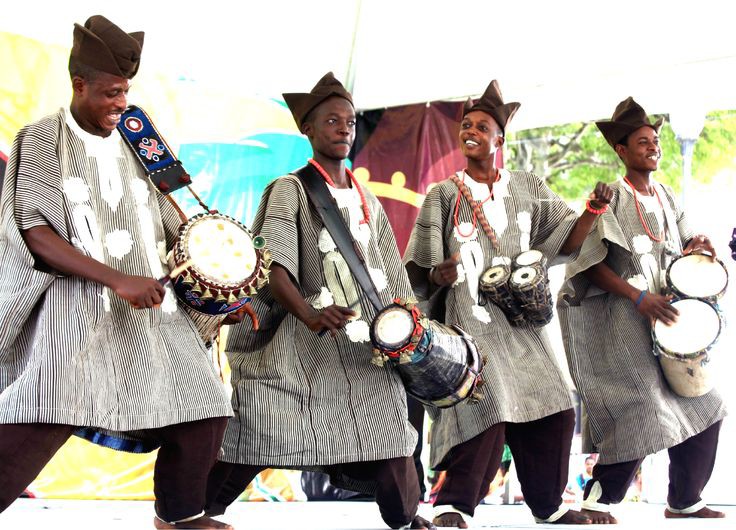
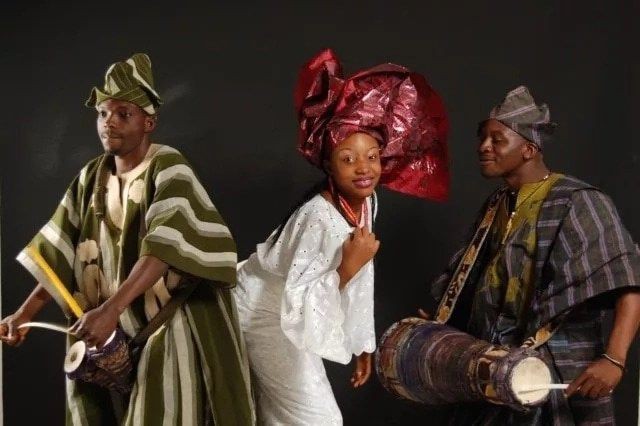
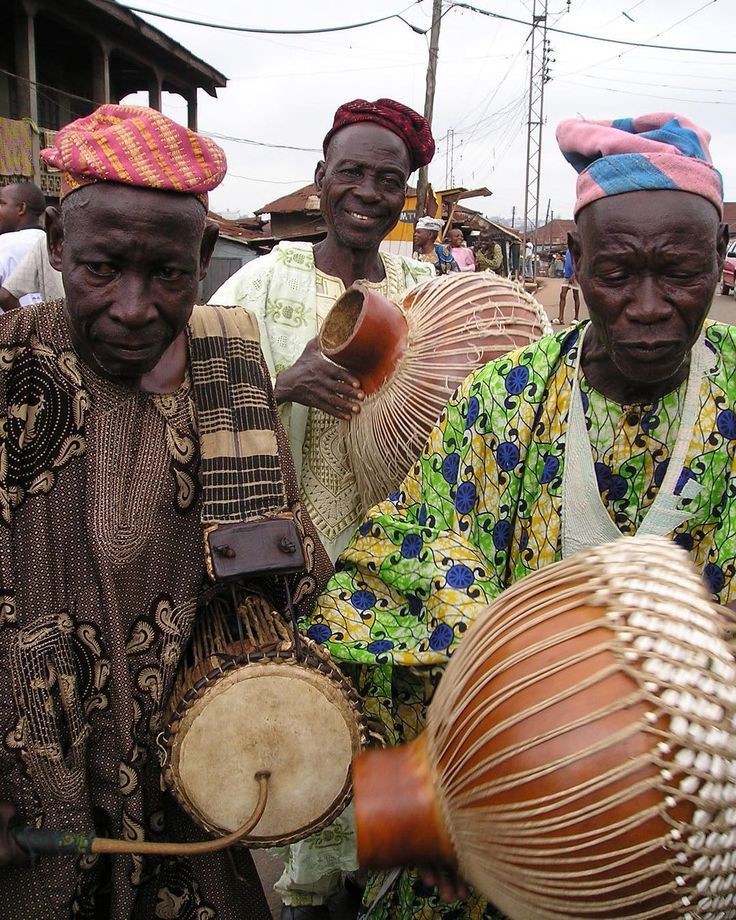
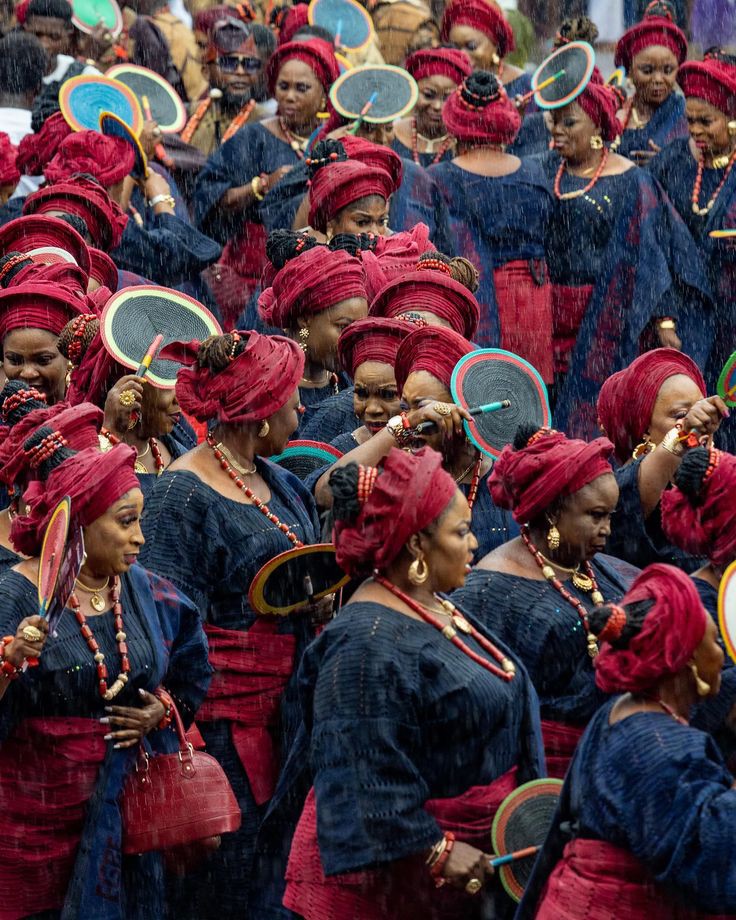
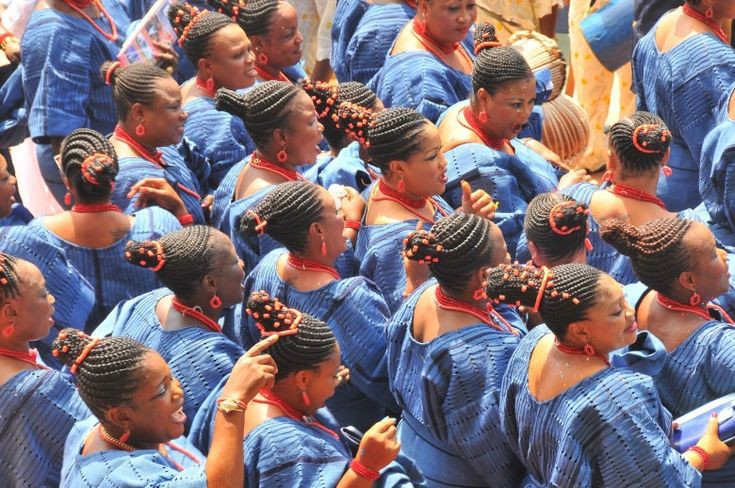
The Yoruba people, known as Ìran Yorùbá, Ọmọ Odùduwà, Ọmọ Káàárọ‌-oòjíire in their native language, are a vibrant West African ethnic group. They primarily inhabit regions in Nigeria, Benin, and Togo, collectively referred to as Yorubaland.

With a population of over 52 million in Africa and more than a million residing outside the continent, the Yoruba people have a significant presence both at home and abroad. They also have a strong representation among members of the African diaspora.

Nigeria is the main home of the Yoruba population, with over 21% of the country’s inhabitants belonging to this ethnic group, according to estimations by the CIA. This makes the Yoruba one of the largest ethnic groups in Africa. The Yoruba language, which belongs to the Niger-Congo language family, is widely spoken by most Yoruba people and boasts the highest number of native or L1 speakers within the Niger-Congo language group.

Yorubaland is not only known for its rich cultural heritage but also for its contribution to Africa’s tourism industry. With its diverse traditions, art, music, and festivals, Yorubaland attracts visitors from all over the world. From the ancient city of Ile-Ife, believed to be the cradle of Yoruba civilization, to the bustling city of Lagos, Yorubaland offers a unique and immersive experience for tourists seeking to explore Africa’s vibrant cultural tapestry.

Join us on a journey to Yorubaland, where you can discover the warmth and hospitality of the Yoruba people, indulge in their delicious cuisine, witness breathtaking traditional ceremonies, and immerse yourself in the beauty of their art and craftsmanship. Yorubaland truly embodies the spirit of Africa and is a must-visit destination for any traveler seeking an authentic cultural experience.

Come and experience the magic of Yorubaland, where Africa’s rich heritage comes alive.


Strickland secures victory over Adesanya, claiming the title of the new middleweight champion

0

Sean Strickland secured the title of UFC middleweight champion by triumphing over Israel Adesanya, with unanimous support from all judges at the Qudos Bank Arena in Sydney, Australia.

The fight’s standout moment occurred in the first round when Strickland delivered a powerful knockdown. This intense battle persisted for the full five rounds.

Strickland’s victory was unanimous, with all three judges awarding him a score of 49-46, solidifying his status as the new middleweight world champion.

His success can be attributed to relentless pressure and a consistent, stand-up boxing approach, with no attempts at grappling.

On the other hand, the Nigerian-born fighter Adesanya faced an uphill battle throughout UFC 293.

This defeat marks his third in his career, bringing his record to 24-3.

Meanwhile, Strickland’s record now stands at an impressive 28-5.