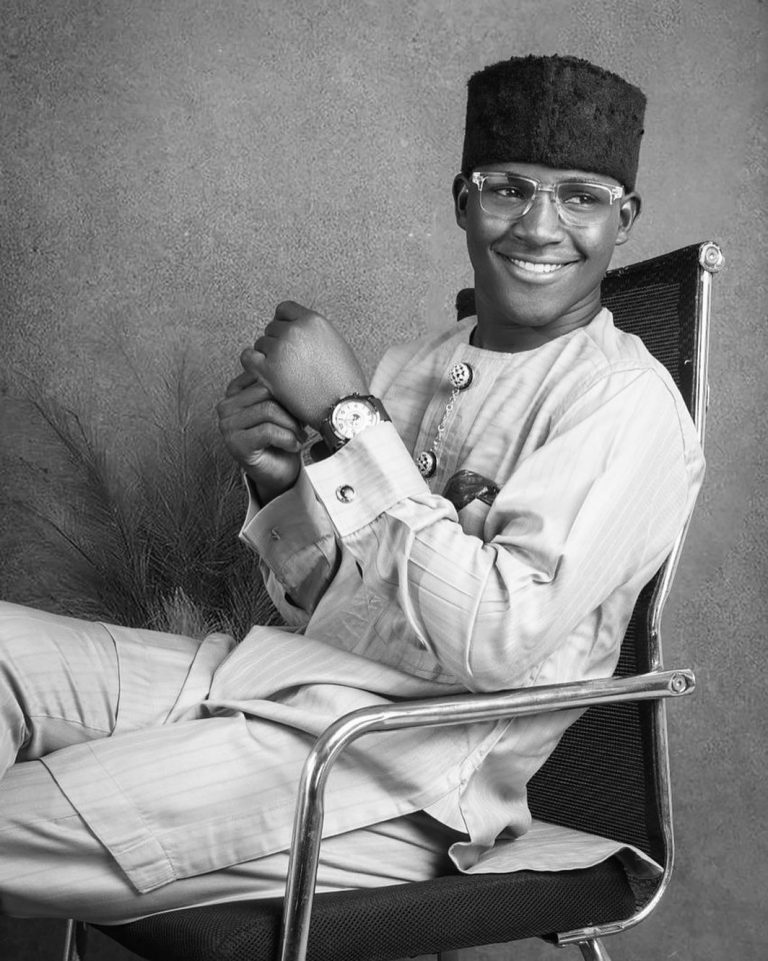
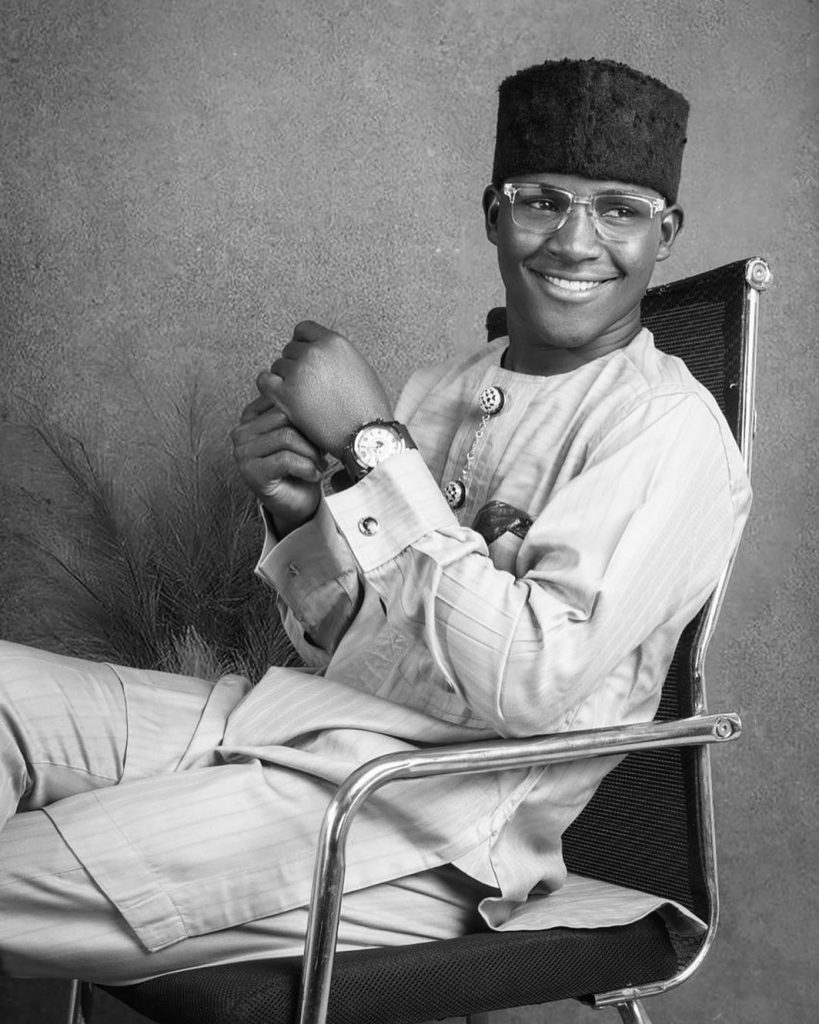
Beauty Queen “Beauty Tukura” indeed looks good in just about anything. But when it comes to posing for a photoshoot, the reality star proves time and again that you can be comfortable, fun, or even tell a beautiful story without uttering words.
One of the few #BBNaija season 6 housemates that displayed their talent on the program and was prepared to thrive outside of it if given the chance was Adekunle.
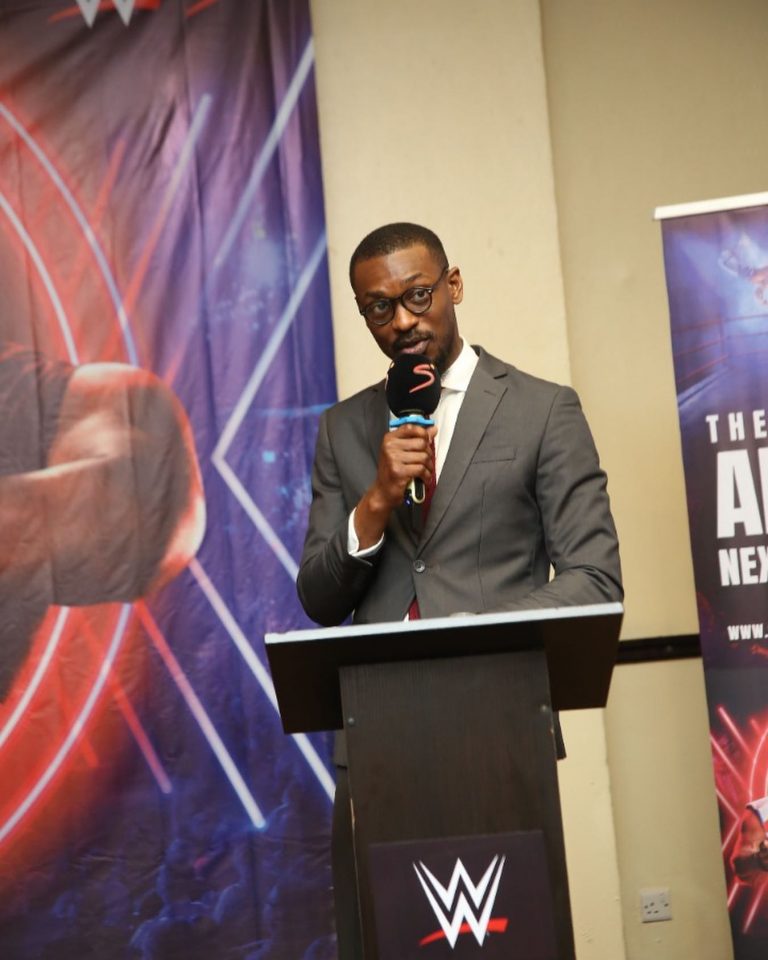
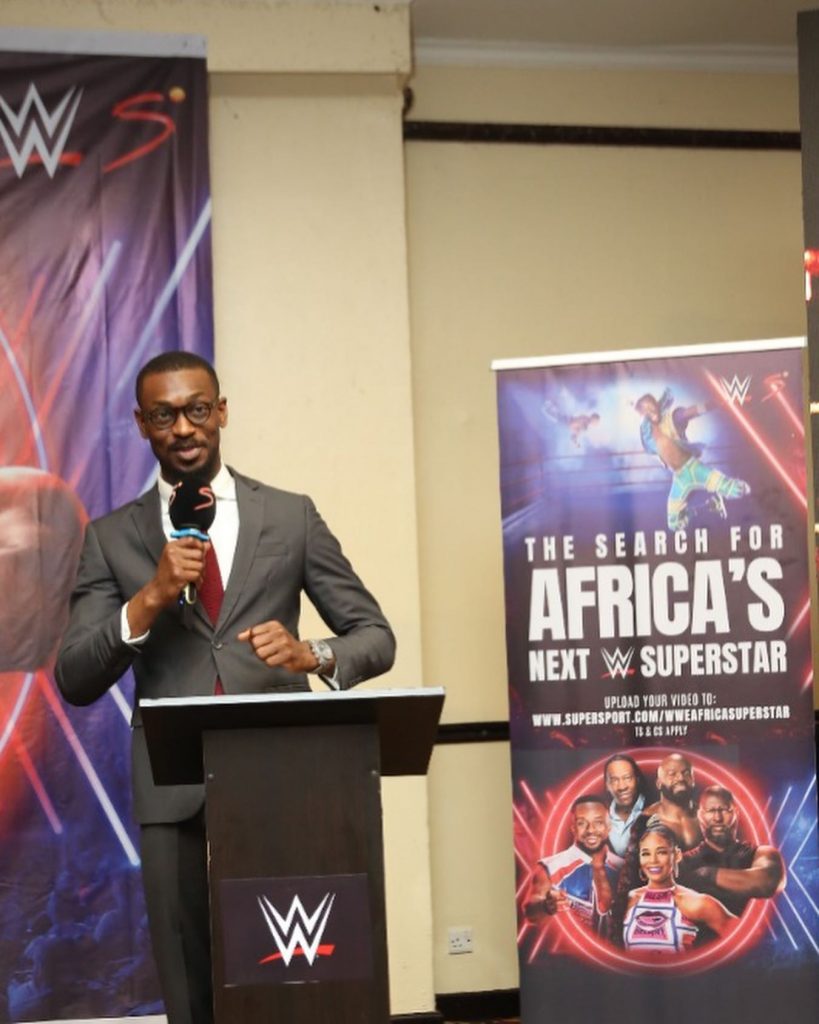
Adekunle Olopade Hosting The Event
His hosting of the press conference and official announcement of the expansion of the broadcast agreement with @wwe, @multichoice group, @supersporttv, and @showmaxnaija, which makes ShowMax the new home of WWE Network in Africa, made the dream a reality.
Adekunle posted the information on social media, captioning his post as the supporters celebrated his victory.
He wrote: It was a good day hosting the Press Conference and Official Announcement of the broadcast partnership extension with @wwe, @multichoice_group, @supersporttv and @showmaxnaija, which makes ShowMax the new home of WWE Network in Africa. This means that WWE Premium Live Events including Wrestlemania, as well as WWE’s Network’s extensive library will be available on the service for streaming.
The event was also to announce a multi-platform campaign called “The Search for Africa’s Next WWE Superstar”.
Follow them on all their social media pages to find out more. Who knows, you might just be the next WWE Superstar
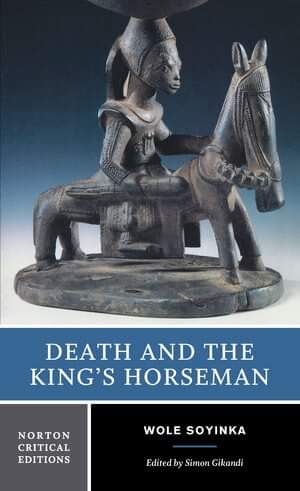
Wole Soyinka’s 𝐷𝑒𝑎𝑡ℎ 𝑎𝑛𝑑 𝑡ℎ𝑒 𝐾𝑖𝑛𝑔’𝑠 𝐻𝑜𝑟𝑠𝑒𝑚𝑎𝑛 (1975) is not an ordinary play, and it is not written for ordinary folks. It may have ordinary folks but not ordinary issues. The issues are beyond the ordinary and they require a higher intellect to be fully appreciated. They are beyond the “clash of cultures” and above the “clash of civilizations”. They are esoteric philosophical discourses demanding the brains that are ready and willing to dare the transition. They require brave hearts that are prepared to fill the lacuna between the transitions from the world of the living to the dead and to the unborn. They are not for lilliputians with no chthonic power to bridge the planes across the gulf and into the abyss. They are for pathfinders with the Ogunian spirit to dare the crucibles of the Fourth stage. They are….
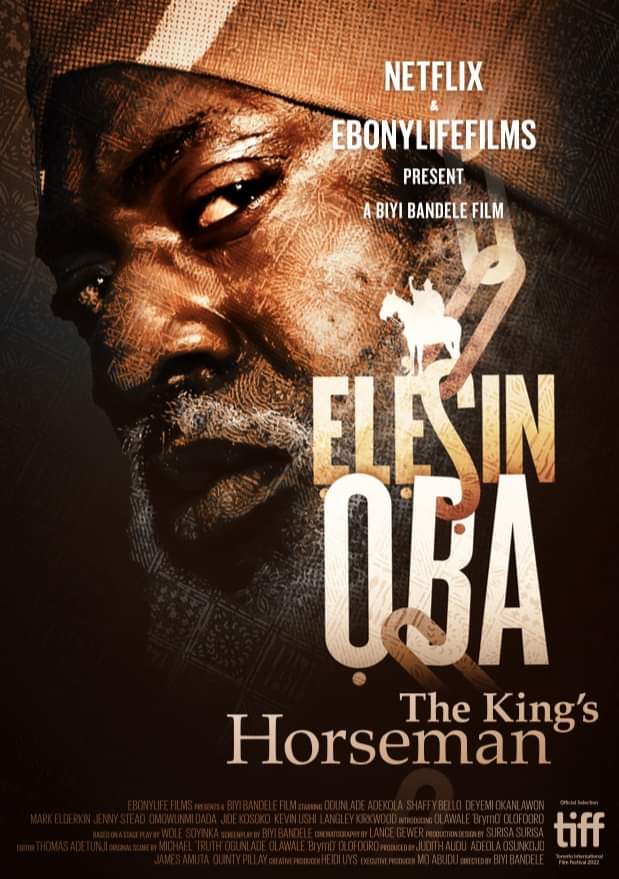
𝐸𝑙𝑒𝑠ℎ𝑖𝑛 𝑂𝑏𝑎: 𝑇ℎ𝑒 𝐾𝑖𝑛𝑔’𝑠 𝐻𝑜𝑟𝑠𝑒𝑚𝑎𝑛 (2022) is a film adaptation of Soyinka’s 𝐷𝑒𝑎𝑡ℎ 𝑎𝑛𝑑 𝑡ℎ𝑒 𝐾𝑖𝑛𝑔’𝑠 𝐻𝑜𝑟𝑠𝑒𝑚𝑎𝑛. Film Adaptation has been in existence for several centuries. From around 200BC to 300AD, many classical Roman playwrights such as Livius Andronicus, Gnaeus Naevius, and Plautus adapted classical Greek plays just as the Renaissance playwrights like Williams Shakespeare and Christopher Marlowe adapted both the classical Greek and Roman plays. In fact, William Shakespeare’s plays have been adapted in all the eras after the Renaissance and they have been translated into several languages. His plays have been adapted for cinemas, home movies, radio dramas, cartoons, and films. In fact, most great playwrights and movie directors are involved in one form of play adaptation or film adaptation. From Hollywood to Ghallywood, and Bollywood to Borehamwood, all nations of the world take pride in their histories of film adaptations. Film adaptations … from 𝑇𝑖𝑡𝑎𝑛𝑖𝑐 to 𝑇ℎ𝑒 𝐷𝑎 𝑉𝑖𝑛𝑐𝑖 𝐶𝑜𝑑𝑒, from 𝑂𝑚𝑘𝑎𝑟𝑎 to 𝑆𝑙𝑢𝑚𝑑𝑜𝑔 𝑀𝑖𝑙𝑙𝑖𝑜𝑛𝑎𝑖𝑟𝑒 and from Achebe’s 𝑇ℎ𝑖𝑛𝑔𝑠 𝐹𝑎𝑙𝑙 𝐴𝑝𝑎𝑟𝑡 to Saro-Wiwa’s 𝐵𝑎𝑠𝑖 𝑎𝑛𝑑 𝐶𝑜𝑚𝑝𝑎𝑛𝑦 and Wale Ogunyemi’s 𝐸𝑛𝑖𝑦𝑎𝑛. Film Adaptation … film adaptation is….
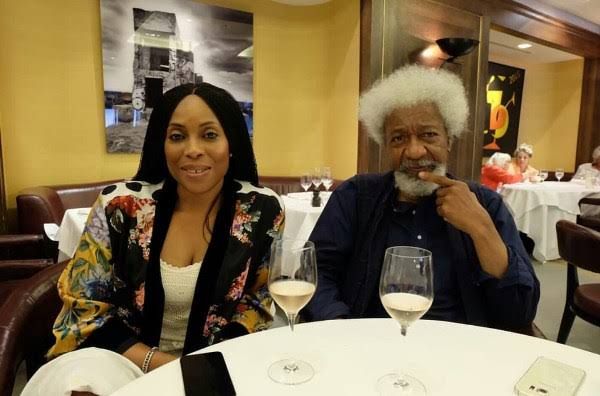
I saw the picture taken in 2018 when Mo Abudu and Professor Soyinka agreed to turn his literary work into a film. So, it must have been done with his consent. And Soyinka is not the first person whose play would be adapted for film in Nigeria. Film adaptation in Nigeria predated Nollywood. Folktales, stories, novels, poems, and songs have been adapted as far back as the time of Hubert Ogunde, Moses Olaiya (Baba Sala), and Adeyemi Afolayan (Ade Love) (1940-1996). Chinua Achebe’s 𝑇ℎ𝑖𝑛𝑔𝑠 𝐹𝑎𝑙𝑙 𝐴𝑝𝑎𝑟𝑡 (1958) was adapted for radio drama in 1961 and released for movies in 1972. Adebayo Faleti’s novel 𝐼𝑗𝑎 𝑂𝑚𝑖𝑛𝑖𝑟𝑎 was adapted for Yoruba film by Ola Balogun in 1979. Fast forward to the 1990s and the emergence of the Nigerian film industry, Nollywood, film adaptation became regular features of the repertoire of Nigerian movies. In 1995, Tunde Kelani adapted for film, 𝑆𝑎𝑤𝑜𝑟𝑜𝑖𝑑𝑒 a novel by Akinwunmi Ishola. In 1998, a novel, 𝑇ℎ𝑒 𝑉𝑖𝑟𝑔𝑖𝑛 by Bayo Adebowale was adapted for film, 𝑇ℎ𝑒 𝑊ℎ𝑖𝑡𝑒 𝐻𝑎𝑛𝑑𝑘𝑒𝑟𝑐ℎ𝑖𝑒𝑓 by Tunde Kelani. Kola Akinlade’s novel, 𝑂𝑤𝑜 𝐸𝑗𝑒 was adapted for film in 2005 by Yemi Aodu and Remi Ibitila. Other writers whose literary works have been adapted for film include Femi Osofisan’s 𝑀𝑎𝑎𝑚𝑖 released in 2011; Chimamanda Aditche’s 𝐻𝑎𝑙𝑓 𝑜𝑓 𝑎 𝑌𝑒𝑙𝑙𝑜𝑤 𝑆𝑢𝑛 adapted for film in 2013; Sefi Atta’s 𝑆𝑤𝑎𝑙𝑙𝑜𝑤 (2008) adapted for film by Kunle Afolayan in 2021; Ebi Akpeti’s 𝑇ℎ𝑒 𝑃𝑒𝑟𝑓𝑒𝑐𝑡 𝐶ℎ𝑢𝑟𝑐ℎ (2010) adapted for film by Wale Adenuga Productions in 2011; Olayinka Egbokhare’s 𝑇ℎ𝑒 𝐷𝑎𝑧𝑧𝑙𝑖𝑛𝑔 𝑀𝑖𝑟𝑎𝑔𝑒 (2007) adapted for film by Tunde Kelani in 2015. Lest I forget, 𝑎𝑦𝑖 𝑏𝑎 𝑤𝑜𝑛 𝑠𝑖 𝑛𝑖𝑏𝑒 𝑛𝑖 𝑎𝑦𝑖 𝑏𝑎𝑤𝑜𝑛 𝑑𝑎 𝑠𝑖, I have also contributed two literary works to the story of Nollywood film adaptation. My play, 𝑊ℎ𝑒𝑛 𝑡ℎ𝑒 𝐷𝑟𝑒𝑎𝑚 𝐷𝑖𝑒𝑠 (2005) was adapted for Yoruba film and titled, 𝑇𝑖 𝐴𝑙𝑎 𝐵𝑎𝑎𝑘𝑢 by Saheed Salami and Kehinde Salami in 2008; In 2013, 𝑇ℎ𝑒 𝐺𝑜𝑑𝑠 𝑎𝑟𝑒 𝑆𝑡𝑖𝑙𝑙 𝑛𝑜𝑡 𝑡𝑜 𝐵𝑙𝑎𝑚𝑒 (2012) was adapted for film by Funke Fayoyin. Go and verify!
The original work and its adaptation may serve the same purpose. They may be like Siamese twins but occupying different spaces, places, and mediums just like 𝐸𝑙𝑒𝑠ℎ𝑖𝑛 𝑂𝑏𝑎: 𝑇ℎ𝑒 𝐾𝑖𝑛𝑔’𝑠 𝐻𝑜𝑟𝑠𝑒𝑚𝑎𝑛 and 𝐷𝑒𝑎𝑡ℎ 𝑎𝑛𝑑 𝑡ℎ𝑒 𝐾𝑖𝑛𝑔’𝑠 𝐻𝑜𝑟𝑠𝑒𝑚𝑎𝑛. They may be faithful to each other, they may be separated but not divorced and they may be divorced, separated, and not on talking terms. The ‘dialogic processes’ between them may reveal their filial relationships, hatred of each other, and betrayal, violation, and desecration of each other. They may be done to clarify the similarities and differences or agreements and disagreements that they have with each other. 𝐸𝑙𝑒𝑠ℎ𝑖𝑛 𝑂𝑏𝑎: 𝑇ℎ𝑒 𝐾𝑖𝑛𝑔’𝑠 𝐻𝑜𝑟𝑠𝑒𝑚𝑎𝑛 is obviously in love with 𝐷𝑒𝑎𝑡ℎ 𝑎𝑛𝑑 𝑡ℎ𝑒 𝐾𝑖𝑛𝑔’𝑠 𝐻𝑜𝑟𝑠𝑒𝑚𝑎𝑛, and it is very proud to flaunt their filial relationship. Its desire is to be faithful, truthful, honest, and resemble 𝐷𝑒𝑎𝑡ℎ 𝑎𝑛𝑑 𝑡ℎ𝑒 𝐾𝑖𝑛𝑔’𝑠 𝐻𝑜𝑟𝑠𝑒𝑚𝑎𝑛 in every way possible regardless of whose ox is gored, and regardless of whether those watching their relationship are close friends, acquaintances, or total strangers. 𝐸𝑙𝑒𝑠ℎ𝑖𝑛 𝑂𝑏𝑎: 𝑇ℎ𝑒 𝐾𝑖𝑛𝑔’𝑠 𝐻𝑜𝑟𝑠𝑒𝑚𝑎𝑛 is more concerned about transposition and less worried about commentary and analogy. It should however be stated that a relationship will be boring if one of the parties brings nothing to the relationship table. Therefore, both parties must bring something new to sustain interest in the relationship. As Morris Beja in 𝐹𝑖𝑙𝑚 𝑎𝑛𝑑 𝐿𝑖𝑡𝑒𝑟𝑎𝑡𝑢𝑟𝑒: 𝐴𝑛 𝐼𝑛𝑡𝑟𝑜𝑑𝑢𝑐𝑡𝑖𝑜𝑛 (1979) rightly observed, “’Of course what a film takes from a book matters; but so does what it brings to a book.” (88) The major thing which 𝐸𝑙𝑒𝑠ℎ𝑖𝑛 𝑂𝑏𝑎: 𝑇ℎ𝑒 𝐾𝑖𝑛𝑔’𝑠 𝐻𝑜𝑟𝑠𝑒𝑚𝑎𝑛 brings to the table and not shy to present to 𝐷𝑒𝑎𝑡ℎ 𝑎𝑛𝑑 𝑡ℎ𝑒 𝐾𝑖𝑛𝑔’𝑠 𝐻𝑜𝑟𝑠𝑒𝑚𝑎𝑛 is its voice, sound, and music. Much as it tries to please and emulate 𝐷𝑒𝑎𝑡ℎ 𝑎𝑛𝑑 𝑡ℎ𝑒 𝐾𝑖𝑛𝑔’𝑠 𝐻𝑜𝑟𝑠𝑒𝑚𝑎𝑛, it realizes the importance of maintaining one’s voice and spicing it up with esoteric diegetic and non-diegetic sounds. Appropriate music dots every significant difference between 𝐸𝑙𝑒𝑠ℎ𝑖𝑛 𝑂𝑏𝑎: 𝑇ℎ𝑒 𝐾𝑖𝑛𝑔’𝑠 𝐻𝑜𝑟𝑠𝑒𝑚𝑎𝑛 and 𝐷𝑒𝑎𝑡ℎ 𝑎𝑛𝑑 𝑡ℎ𝑒 𝐾𝑖𝑛𝑔’𝑠 𝐻𝑜𝑟𝑠𝑒𝑚𝑎𝑛, even as it is obvious that the ‘𝐄𝐥𝐞𝐬𝐡𝐢𝐧 𝐎𝐛𝐚’ is not a virtuoso dancer. It however pays for that deficiency in the way it perfectly showcases their shared colonial heritages through well-researched characterization and appropriately designed settings. The characters on the pages are mirror images of the characters on the screen just like the architectural design of the colonial residence. Although, critics may wonder why everything happens in a day with most of the events happening in a market. It is as it is in the original text and it is in keeping with the Yoruba worldview, 𝑜𝑗𝑎 𝑛𝑖 𝑎𝑦𝑒 (Life is a market). Also important is the bond of agreement of the subject matter and thematic focus of both 𝐸𝑙𝑒𝑠ℎ𝑖𝑛 𝑂𝑏𝑎: 𝑇ℎ𝑒 𝐾𝑖𝑛𝑔’𝑠 𝐻𝑜𝑟𝑠𝑒𝑚𝑎𝑛 and 𝐷𝑒𝑎𝑡ℎ 𝑎𝑛𝑑 𝑡ℎ𝑒 𝐾𝑖𝑛𝑔’𝑠 𝐻𝑜𝑟𝑠𝑒𝑚𝑎𝑛. As difficult as it is, the director and designers struggle not to give the reductive impression that the play is about the clash of cultures or clash of civilizations. It is indeed a daunting and tricky plot to capture. Soyinka himself states in the ‘Author’s Note’ that, “The confrontation in the play is largely metaphysical, contained in the human vehicle which is Eleshin and the universe of the Yoruba mind- the world of the living, the dead and the unborn, and the numinous passage which links all: transition.” (Soyinka, 𝐷𝑒𝑎𝑡ℎ 𝑎𝑛𝑑 𝑡ℎ𝑒 𝐾𝑖𝑛𝑔’𝑠 𝐻𝑜𝑟𝑠𝑒𝑚𝑎𝑛; 305)
To do justice in the criticism of 𝐸𝑙𝑒𝑠ℎ𝑖𝑛 𝑂𝑏𝑎: 𝑇ℎ𝑒 𝐾𝑖𝑛𝑔’𝑠 𝐻𝑜𝑟𝑠𝑒𝑚𝑎𝑛 requires an understanding of the rules of engagement in the film adaptation. It is not 𝑖𝑟𝑢 𝑤𝑎, 𝑜𝑔𝑖𝑟𝑖 𝑤𝑎 𝑜𝑟 𝑔𝑏𝑜𝑔𝑏𝑜 𝑒𝑟𝑜 (all comers) criticism lacking in measure, perspective, and focus. Critics of 𝐸𝑙𝑒𝑠ℎ𝑖𝑛 𝑂𝑏𝑎: 𝑇ℎ𝑒 𝐾𝑖𝑛𝑔’𝑠 𝐻𝑜𝑟𝑠𝑒𝑚𝑎𝑛 must bear in mind the four paradigms noted by Kline Karen in “The Accidental Tourist on Page and on Screen: Interrogating Normative Theories about Film Adaptation” (1996). Klein advises critics of film adaptation to tailor their criticism from the following perspectives: (1) “Translation”; (2) “Pluralist”; (3) “Transformation”; and (4) “Materialist. Justice can only be served to 𝐸𝑙𝑒𝑠ℎ𝑖𝑛 𝑂𝑏𝑎: 𝑇ℎ𝑒 𝐾𝑖𝑛𝑔’𝑠 𝐻𝑜𝑟𝑠𝑒𝑚𝑎𝑛 if it is criticized from the perspective of “Transition” because the aim of the producer, Mo Abudu and the director, Biyi Bamdele of blessed memory is its fidelity to 𝐷𝑒𝑎𝑡ℎ 𝑎𝑛𝑑 𝑡ℎ𝑒 𝐾𝑖𝑛𝑔’𝑠 𝐻𝑜𝑟𝑠𝑒𝑚𝑎𝑛. Criticism of the film from the Pluralist perspective can also be justified since there are obvious similarities and some departures between it and 𝐷𝑒𝑎𝑡ℎ 𝑎𝑛𝑑 𝑡ℎ𝑒 𝐾𝑖𝑛𝑔’𝑠 𝐻𝑜𝑟𝑠𝑒𝑚𝑎𝑛. Criticism of 𝐸𝑙𝑒𝑠ℎ𝑖𝑛 𝑂𝑏𝑎: 𝑇ℎ𝑒 𝐾𝑖𝑛𝑔’𝑠 𝐻𝑜𝑟𝑠𝑒𝑚𝑎𝑛 through the lens of “Transformation” may be right but the original material is not merely a source or raw material but its mirror image, heart, and soul. 𝐸𝑙𝑒𝑠ℎ𝑖𝑛 𝑂𝑏𝑎: 𝑇ℎ𝑒 𝐾𝑖𝑛𝑔’𝑠 𝐻𝑜𝑟𝑠𝑒𝑚𝑎𝑛 may be seen as a distinct art form, but full justice may not be served to the creative efforts of the producer, the director, the crew, and the actors. This is not to state that film adaptation is a lesser art. Speaking from personal experience, Film Adaptation can be much more difficult than producing an original film. Lastly, examining 𝐸𝑙𝑒𝑠ℎ𝑖𝑛 𝑂𝑏𝑎: 𝑇ℎ𝑒 𝐾𝑖𝑛𝑔’𝑠 𝐻𝑜𝑟𝑠𝑒𝑚𝑎𝑛 from the “Materialist” perspective may take away the shine from 𝐷𝑒𝑎𝑡ℎ 𝑎𝑛𝑑 𝑡ℎ𝑒 𝐾𝑖𝑛𝑔’𝑠 𝐻𝑜𝑟𝑠𝑒𝑚𝑎𝑛 to extraneous and irrelevant factors. 𝐸𝑙𝑒𝑠ℎ𝑖𝑛 𝑂𝑏𝑎: 𝑇ℎ𝑒 𝐾𝑖𝑛𝑔’𝑠 𝐻𝑜𝑟𝑠𝑒𝑚𝑎𝑛 is a play whose producer strongly believes the Yoruba adage, 𝑂𝑑𝑜̀ 𝑡𝑖́ 𝑜́ 𝑏𝑎́ 𝑔𝑏𝑎̀𝑔𝑏𝑒́ 𝑜𝑟𝑖́𝑠𝑢𝑛 𝑦𝑜́𝑜̀ 𝑔𝑏𝑒̣. (A river that forgets its source will dry up).
Soyinka’s 𝐷𝑒𝑎𝑡ℎ 𝑎𝑛𝑑 𝑡ℎ𝑒 𝐾𝑖𝑛𝑔’𝑠 𝐻𝑜𝑟𝑠𝑒𝑚𝑎𝑛 is a ritual drama. A ritual is any act that is done at a particular or specific time and follows a particular or specific order, sequence, and mode. The dialogues and actions in the play are ritual metaphors for the initiates and masses. This is in line with Soyinka’s position that “ritual is the language of the masses”. (Soyinka’s “Drama and the Revolutionary Ideal”; 87) This is also in line with Martin Esslin’s statement that, “One can look at ritual as a dramatic, theatrical event – and one can look at drama as ritual.” (Martin Esslin, 𝐴𝑛 𝐴𝑛𝑎𝑡𝑜𝑚𝑦 𝑜𝑓 𝐷𝑟𝑎𝑚𝑎; 27). It is from this perspective that one should appreciate the pathfinding Dionysian and Ogunian daring and theatrical inputs of Mo Abudu, Biyi Bandele, Adeola Osunkojo, Odunlade Adekola, Deyemi Okanlawon, Shaffy Bello, Mark Elderkin, Omawumi Dada, Brymo Olawale, Langley Kirkwood, Jenny Stead, Jide Kosoko, Debbie Ohiri, Omololu Shodiya, Michael Okorie, Biodun Adefila, Seun Awobajo, and Ifenaike Abiodun.
Mo Abudu and Prof. Wole Soyinka
𝑬𝒍𝒆𝒔𝒉𝒊𝒏 𝑶𝒃𝒂: 𝑻𝒉𝒆 𝑲𝒊𝒏𝒈’𝒔 𝑯𝒐𝒓𝒔𝒆𝒎𝒂𝒏 is another affirmative statement on the improving quality of the Nollywood movies. It is now on Netflix. Approach it with caution. Be sure to have popcorn with a nice wine by your side as you watch how ‘𝐄𝐥𝐞𝐬𝐡𝐢𝐧 𝐎𝐛𝐚’ travels light from page to stage and to screen.
#ElesinOba
𝐑𝐞𝐟𝐞𝐫𝐞𝐧𝐜𝐞𝐬
Beja, Morris. 𝐹𝑖𝑙𝑚 𝑎𝑛𝑑 𝐿𝑖𝑡𝑒𝑟𝑎𝑡𝑢𝑟𝑒: 𝐴𝑛 𝐼𝑛𝑡𝑟𝑜𝑑𝑢𝑐𝑡𝑖𝑜𝑛. New York: Longman, 1979.
Biyi, Bandele (dir) 𝐸𝑙𝑒𝑠ℎ𝑖𝑛 𝑂𝑏𝑎: 𝑇ℎ𝑒 𝐾𝑖𝑛𝑔’𝑠 𝐻𝑜𝑟𝑠𝑒𝑚𝑎𝑛 (film). Netflix. 2022.
Esslin, Martin. An Anatomy of Drama. 1 America: Hill and Wang, 1976.
Geoffrey A. Wagner. 𝑇ℎ𝑒 𝑁𝑜𝑣𝑒𝑙 𝑎𝑛𝑑 𝑡ℎ𝑒 𝐶𝑖𝑛𝑒𝑚𝑎. Fairleigh Dickinson University Press, Rutherford, N.J., 1975.
Kline, Karen E. “The Accidental Tourist on Page and on Screen: Interrogating Normative Theories about Film Adaptation.” Literature-film Quarterly 24 (1996): 70. 1996.
Soyinka, Wole. 𝐷𝑒𝑎𝑡ℎ 𝑎𝑛𝑑 𝑡ℎ𝑒 𝐾𝑖𝑛𝑔’𝑠 𝐻𝑜𝑟𝑠𝑒𝑚𝑎𝑛. London: Eyre Methuen, 1975.
Soyinka, Wole. 𝑀𝑦𝑡ℎ, 𝐿𝑖𝑡𝑒𝑟𝑎𝑡𝑢𝑟𝑒 𝑎𝑛𝑑 𝑡ℎ𝑒 𝐴𝑓𝑟𝑖𝑐𝑎𝑛 𝑊𝑜𝑟𝑙𝑑. Cambridge: Cambridge University Press, 1976.
Soyinka, Wole. “The Fourth Stage: Through the Mysteries of Ogun to the Origins of Yoruba Tragedy,” in 𝑀𝑦𝑡ℎ, 𝐿𝑖𝑡𝑒𝑟𝑎𝑡𝑢𝑟𝑒 𝑎𝑛𝑑 𝑡ℎ𝑒 𝐴𝑓𝑟𝑖𝑐𝑎𝑛 𝑊𝑜𝑟𝑙𝑑 (Cambridge: Cambridge University Press, 1976), 140–60. 1976.
Stam Robert. 𝐿𝑖𝑡𝑒𝑟𝑎𝑡𝑢𝑟𝑒 𝑡ℎ𝑟𝑜𝑢𝑔ℎ 𝐹𝑖𝑙𝑚: 𝑅𝑒𝑎𝑙𝑖𝑠𝑚, 𝑀𝑎𝑔𝑖𝑐 𝑎𝑛𝑑 𝑡ℎ𝑒 𝐴𝑟𝑡 𝑜𝑓 𝐴𝑑𝑎𝑝𝑡𝑎𝑡𝑖𝑜𝑛. Blackwell. 2005.
Wagner, Geoffrey Atheling. 𝑇ℎ𝑒 𝑁𝑜𝑣𝑒𝑙 𝑎𝑛𝑑 𝑡ℎ𝑒 𝐶𝑖𝑛𝑒𝑚𝑎. Rutherford, N.J: Fairleigh Dickinson University Press, 1975.
Austine Emmanuel, the Nigerian singer and rave of the moment, who is professionally known as Austinedebull has talked about his music
He shared how his hit single ‘Shey you dey whine me ni’ went viral on TikTok Nigeria.
Austine Emmanuel
In an exclusive chat with The Nation, the drummer-turned-singer said: “The calling came in 2020 but I never paid attention to it so when it keep coming around until 2022 this year I decided to pay attention to it that’s how it started that I came up with the song.
“During the video shoot, I did some behind the scenes with my phone camera so I posted it on my TikTok page just to create awareness that something big was coming though I never had any audience it was some people I had on my Tiktok that started posting and that’s how it blew up.”
Translating the single which according to him is a gospel song, he said: “it is a Christian song but it is a mixture of a street slang and local dialect which is the Ogoni dialect, it means in English ‘who say make I no praise God shey you dey whine me ni’ and in Ogoni “Mena kon ma le da Badi Shey you dey whine mi ni ?”.
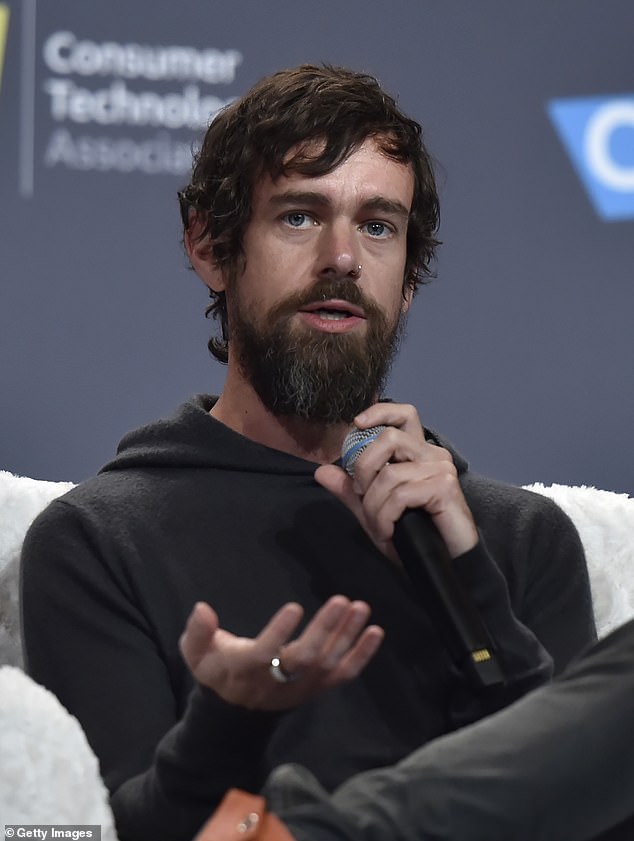
A new social networking site is introduced by the former CEO of Twitter, along with employment openings.
According to reports, more than 30,000 users have already registered on Dorsey’s new site.
This occurs only a week after American business magnate and owner of the Tesla car company Elon Musk finalized the $44 billion acquisition of Twitter.
Twitter recently informed all of its employees via email that it was considering a significant downsizing of all of its businesses.
A variety of job possibilities are available for mobile application developers, React Native experts, animation producers, and UI site managers, according to Bluesky, which also announced its entry into the social media realm.
Within two days of launching, the new software had more than 30,000 individuals sign up for its beta testing, despite still being in its pilot stage.
Reality star and brand influencer Bella Okagbue finally launches her brand, which she announced on social media yesterday with a detailed caption.
She wrote
I said it; It’s here.
I’m so excited that after many hours of hard work, this is finally here!
Introducing my Merch collection!!!
-Tote Bag
-Tshirt
– Trucker Hat
– Bucket Hat
– Cropped Tees
You can simply shop on the website (Link In Bio)
Pere Egbi, also known as The General, is the newest brand ambassador for Gulder Nigeria. He was introduced on Friday together with Larry Gag and Cubana Chief Priest.
A man with no fakery mentality, Pere Egbi, also posted the wonderful news on social media with the following caption:
“Glad to be joining the Gulder family as their newest brand ambassador. Time for an ultimate adventure!”
Glad to be joining the Gulder family as their newest brand ambassador. Time for an ultimate adventure! pic.twitter.com/9Wsrd9YecZ
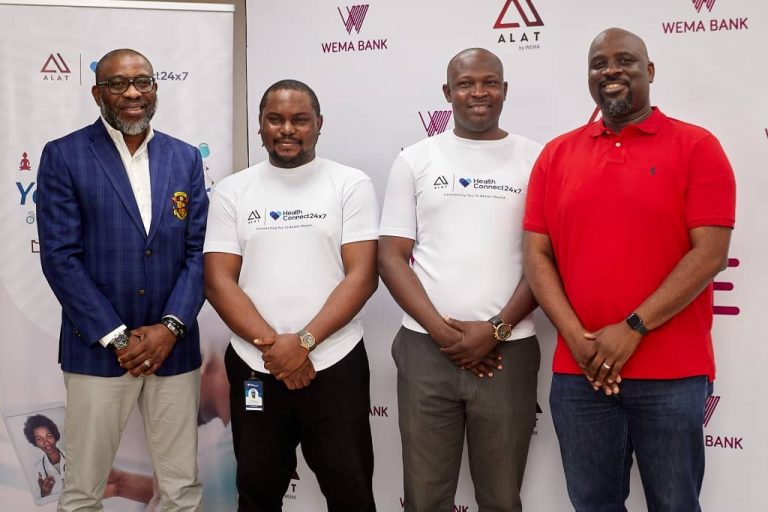
ALAT recently launched a healthcare feature and here’s all you need to know to get started:
Constant Care
It’s a telemedicine healthcare service that offers top-notch medical treatment to clients who want to consult a doctor whenever it’s convenient. It is a digital platform that gives users access to first-rate medical care and unlimited medical consultation by dialing a toll-free number around-the-clock, every day of the week.
Top Grade Professionals
The platform has highly qualified and certified health management staff, wellness specialists, and seasoned doctors stationed to provide innovative, simple-to-use mobile health systems intended to improve medical services around-the-clock.
Mental Health Coverage
ALAT Health offers mental wellness treatment for patients undergoing depression, anxiety disorders, substance dependence, self-esteem difficulties, suicidal behavior, eating disorders, and compulsive behavior. It also covers assertiveness training and emotional management under the service.
Medication Delivery
It gets even more interesting. ALAT HealthConnect can deliver your medication to your doorstep across various states in Nigeria through partnerships with Pharmacy outlets across the federation.
Native Language
The platform has registered Nigeria-based doctors that speak the native languages fluently (either Hausa, Yoruba, or Igbo) as well as English. This will further create access at the grassroots level.
Secure Medical Records
At Alat HealthConnect, processes comply with the latest regulations of the Ministry of Health of Nigeria as well as adhering to international standards. Every information shared is treated with the utmost confidentiality.
Wallet-friendly Subscription
Early bed subscribers will enjoy one month of free subscription for their first subscription. Subsequently, you will pay N300 monthly.




 𝐄𝐥𝐞𝐬𝐡𝐢𝐧 𝐎𝐛𝐚 𝐓𝐫𝐚𝐯𝐞𝐥𝐬 𝐋𝐢𝐠𝐡𝐭 𝐟𝐫𝐨𝐦 𝐏𝐚𝐠𝐞 𝐭𝐨 𝐒𝐭𝐚𝐠𝐞 𝐭𝐨 𝐒𝐜𝐫𝐞𝐞𝐧: 𝐍𝐨𝐥𝐥𝐲𝐰𝐨𝐨𝐝 𝐚𝐧𝐝 𝐅𝐢𝐥𝐦 𝐀𝐝𝐚𝐩𝐭𝐚𝐭𝐢𝐨𝐧
 𝑆𝑖𝑟, 𝑤ℎ𝑎𝑡 𝑖𝑠 𝑡ℎ𝑖𝑠 𝑓𝑖𝑙𝑚 𝑎𝑑𝑎𝑝𝑡𝑎𝑡𝑖𝑜𝑛 𝑔𝑎𝑛𝑔𝑎𝑛?